

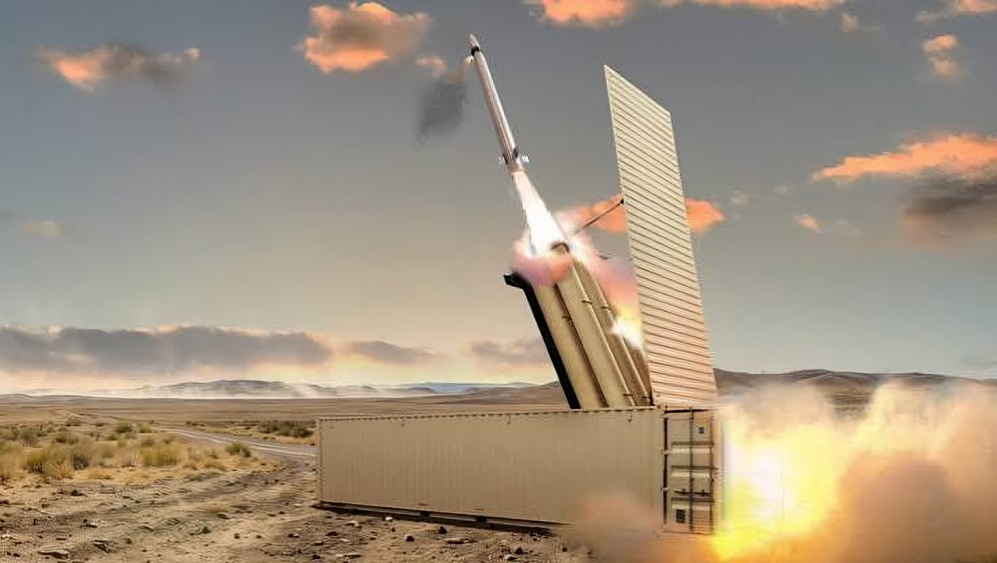
Lockheed Martin has announced a new and improved missile for the missile defence force known as PAC-3 Edge for the US Army Future Interceptor programme. It is aimed at enhancing military capability to protect against increasingly sophisticated missile threats such as hypersonic missiles. The PAC-3 Edge is based on technology developed for the combat-proven PAC-3 Missile Segment Enhancement (MSE), including a new seeker, enhanced flight control technology, and a Northrop Grumman-designed multi-pulse solid rocket motor.
Lockheed Martin has announced a new and improved missile for the missile defence force known as PAC-3 Edge for the US Army Future Interceptor programme. It is aimed at enhancing military capability to protect against increasingly sophisticated missile threats such as hypersonic missiles. The PAC-3 Edge is based on technology developed for the combat-proven PAC-3 Missile Segment Enhancement (MSE), including a new seeker, enhanced flight control technology, and a Northrop Grumman-designed multi-pulse solid rocket motor. defence as forces encounter a more complex array of threats. But PAC-3 Edge is still a development program rather than an operational system in the field.



Lockheed Martin said development and testing would start in 2027, and the missile would enter service in 2031. PAC-3 Edge is a prime example of how manufacturers are already moving legacy interceptor technology forward in the areas of sensors, propulsion, and flight control. Its future utility will be contingent on test results, integration, and procurement.

