
The demand for electric vehicles is continuously rising in India. Government and charging companies are making continuous efforts to make charging easy for consumers by expanding charging infrastructure and improving charging efficiency. But increasing the number of chargers alone is not sufficient to provide a reliable charging experience.
A new report from the Institute for Energy Economics and Financial Analysis (IEEFA) found that charger reliability, interoperability, charging cost, home-charging challenges and delays in grid connection are rising problems affecting EV charging in India. The report was published on September 16, 2026.




In the early stages of EV adoption, vehicle range was a major focus for manufacturers and consumers. As EV sales and charging infrastructure continue to expand, attention is increasingly turningto the reliability and accessibility of charging infrastructure. A charging station is useful only when it is operational and available when an EV user needs it.
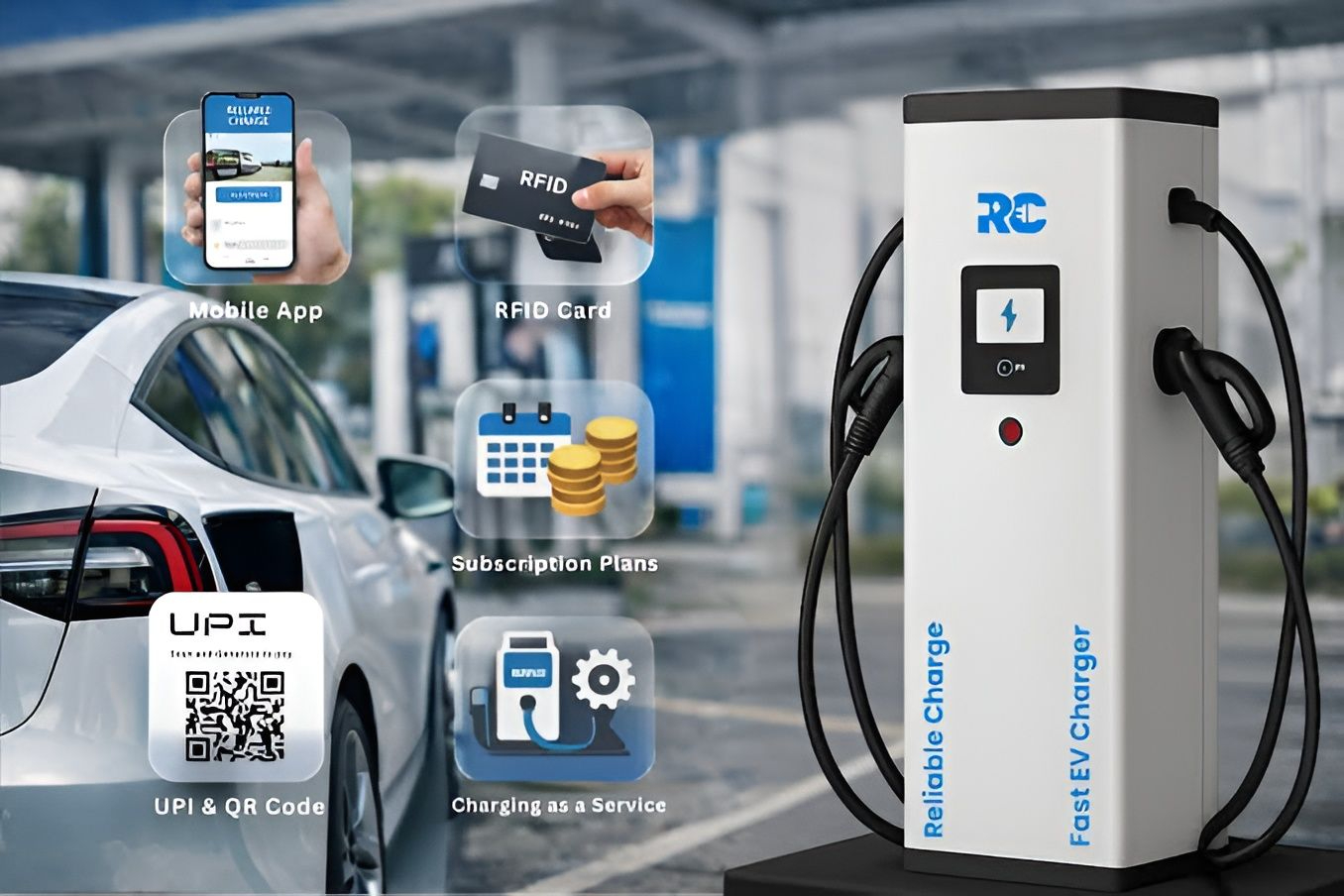
Network interoperability is another growing concern, as different charging networks may require separate apps, accounts or payment systems, making it less convenient for users to access and pay for charging across different locations. IEEFA has identified charger reliability and interoperability among charging networks as key factors that need to be addressed to improve India’s EV charging experience.
As India’s charging network continues to grow, the next stage of development will therefore depend not only on deploying more chargers but also on improving their reliability, interoperability, affordability and integration with the electricity grid.

