

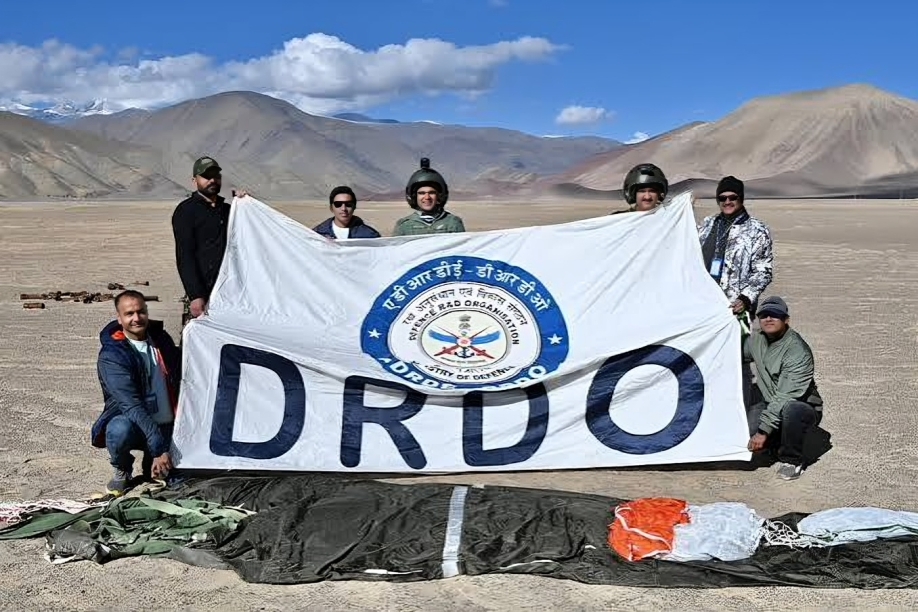
DRDO has successfully carried out a flight trial of the indigenous High-Altitude Platforms (HAPS). HAPS is a long endurance unmanned aircraft designed as an aerial platform to be used as a surveillance system in the stratosphere. The platform has been developed by ADRDE, Agra, which is an agency of the DRDO.
In the course of the experimental flight, the platform attained an altitude of about 21 kilometres above mean sea level and was maintained at a level of 20 kilometres for more than 30 minutes before being ordered to descend. The vehicle was recovered and analysed, and its flight-performance data were obtained. Instrumental and control systems onboard included an inertial measurement unit, GPS receiver, onboard cameras, and an altitude-control system. Video and other vehicle data were sent back to a ground control station during the trial.



HAPS vehicles are meant to fly at substantially higher altitudes than aircraft that are currently flying today. They may be capable of watching a large area for an extended period of time. They could eventually be used in a variety of surveillance, comms, and monitoring roles. The trial was also conducted in collaboration with the Indian Air Force, CEMILAC, the Directorate General of Civil Aviation, the Airport Authority of India, and other agencies. The flight achieved a significant milestone in the development, though tests are still needed to confirm endurance, payload capacity, and operational viability.

