

Losses at India’s Tata Motors narrowed between April and June, boosted by a 108-percent jump in revenues, the company said Monday, even as Covid-19 lockdowns and semi-conductor shortages hit its bottom line.
Consolidated net losses at the owners of the Jaguar and Land Rover brands reduced by 47 percent to 44.50 billion rupees ($598 million) in the quarter ending June 30, compared to 84.43 billion rupees in the same period last year.



Although a brutal new pandemic wave prompted temporary plant closures in April, the restrictions were less severe than the total shutdown imposed 12 months earlier.
The auto giant’s quarterly revenues more than doubled to 664.06 billion rupees year-on-year.
Sales at its UK-based subsidiary Jaguar Land Rover (JLR) jumped 68 percent year-on-year as the British luxury car brand pursued a steady recovery.
However, JLR said a global shortage of semi-conductor chips hit production, resulting in a pre-tax loss of £110 million in the quarter.
Semi-conductor production cuts during the pandemic have caused a global shortage of the microchips—a crucial raw material in the electronics that are now a key component in cars.
Earlier this month, Britain’s largest car manufacturer said the shortages could lead to a halving of sales during the July-September quarter.
“Though the current environment continues to remain challenging, we will continue to adapt and manage elements that are within our control,” JLR chief executive Thierry Bollore said in a statement following the results.
“We remain encouraged by the sheer strength of the demand for our vehicles,” he added.
Tata Motors said Monday that “semiconductor issues, commodity inflation and pandemic uncertainty will have an impact in the short term”.
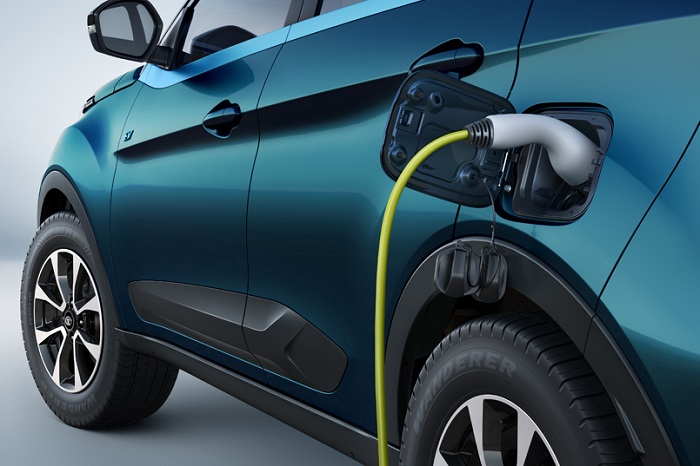
Tata Motors’ electric vehicle business emerged as a bright spot. The 1,715 units sold in the quarter were a five-fold jump and the highest ever.
The company’s shares closed 0.95 percent lower in Mumbai ahead of the earnings announcement.

