
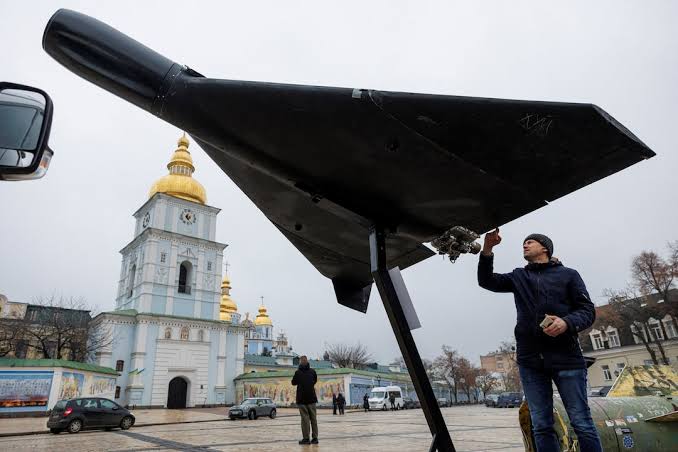
Russia’s increased use of jet-powered attack drones poses a harder target for Ukrainian air defences. Compared with propeller based variants, the newer jet-powered models travel faster and fly at altitudes between four and seven kilometres, according to reports. This leaves less time for mobile air-defence units to intercept an incoming drone, with some shoulder-launched missile systems unable to reach the higher altitudes where some drones are flying.
Ukrainian officials therefore see these munitions as occupying a grey area between a typical one-way attack drone and a cruise missile. Ukraine has claimed to shoot down about 90% of the slower Shahed models, but its success rate against faster jet engine types has reportedly fallen to around 60%, although wartime figures may not be independently verified.




This shift shows how cheap drones are beginning to circumvent long-standing anti-drone countermeasures. Speed, altitude, and persistent-launch routines can wear out interceptors, radar crews, and mobile missile batteries, causing defenders to escalate to costlier surface-to-air missiles on equally cheap targets.
Ukraine is rushing to develop missile countermeasures and interceptor drones, but sustained production of cheap counter drones is held back by budget and production limitations. The phenomenon suggests that postmodern air defence will combine layered sets of electronic countermeasures, gunners, interceptor drones, directed-energy weapons and conventional missiles rather than depend on a single panacea.

