

HomeNewsIndia NewsNew Electronics Manufacturing Policy for UP, NOIDA and Yamuna Expressway Declared Electronics...

New Electronics Manufacturing Policy for UP, NOIDA and Yamuna Expressway Declared Electronics Manufacturing Zone

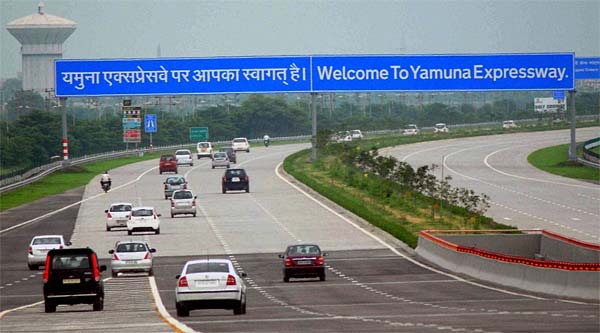
In order to promote Make in India, UP Chief Minister, Yogi Adityanath has released an Electronics Manufacturing Policy for his state. Under the new policy, NOIDA, Greater NOIDA, and the Yamuna Expressway region will partake as electronic manufacturing zones.

“To develop the state as the hub of electronics manufacturing, a new policy has been released under which the units set up in this zone will be eligible for claiming necessary benefits,” Deputy Chief Minister Dinesh Sharma, who holds the IT and Electronics portfolios said to news agency PTI.


Sharma was optimistic that the new policy will give a substantial impetus to the indigenous manufacturing of electronic items and components in the state of UP, and will eventually create a number of jobs too. The ultimate motive of the UP government behind the new policy is to make Uttar Pradesh as an attractive investment destination for domestic and foreign companies.

The target of the policy is to attract investments worth Rs 20,000 crore in the ESDM sector and 3 lakh jobs by 2022, he said.

An electronics mission directorate will also be set up for the successful implementation of this policy which will have a mission director, deputy director, and other staff, the minister added.

ELE Times Research Desk
ELE Times Research Deskhttps://www.eletimes.ai
ELE Times provides a comprehensive global coverage of Electronics, Technology and the Market. In addition to providing in depth articles, ELE Times attracts the industry’s largest, qualified and highly engaged audiences, who appreciate our timely, relevant content and popular formats. ELE Times helps you build awareness, drive traffic, communicate your offerings to right audience, generate leads and sell your products better.

Related News

Must Read

How Vulnerable Are Our Infrastructure Systems and How Prepared Are Organizations?

The critical infrastructure that powers our utilities, factories, transportation...

Top 10 Sodium-Ion Battery Companies for Electric Mobility

Sodium-ion batteries are rechargeable batteries made of a cathode,...

Overcoming Next-Gen AI Data Centre Bottlenecks: The Role of Precision Timing and 800 VDC Architectures

Anwesh Koley, Executive Editor, ELE Times As artificial intelligence workloads...

Vishay’s New LoRa-Based WLMO Module Enables Wireless Position Monitoring Up to 2 km

Vishay Intertechnology has introduced a new LoRa-based machine-to-machine (M2M)...

DigiKey AIoT Design Challenge 2026 Recognises 18 Winning AI and IoT Projects

DigiKey, a global distributor of electronic components and automation...

L&T Technology Services Introduces SDVault.ai, an AI-Powered Toolchain for Software-Defined Vehicles

L&T Technology Services announced the launch of SDVault.ai on...

AI Training vs AI Inference: The War for Faster, Cheaper, and More Efficient AI Computing

Abhishek Pandey/Sub-Editor/ELE Times  Learn how next-generation chip architecture, new hardware,...

Microchip Achieves QML Class V Qualification for RT PolarFire FPGA for Space Applications

Microchip Technology has expanded its radiation-tolerant (RT) PolarFire FPGA...

Vishay Extends Safety-Certified MLCC Portfolio with New 305 VAC Capacitors

Vishay Intertechnology has expanded its VJ Safety Certified Capacitors...
