

Global sales of electric vehicles continue to grow, with a total of 10,5 million new BEVs and PHEVs were delivered during 2022, an increase of +55 % compared to 2021. Massive investment by carmakers to optimize technologies, with most gains from improvements in the battery chemistry and in the performance of the battery management system (BMS), means that the average battery range is now treble to what it was a decade ago. Consumers are now more confident about buying BEVs with quoted ranges of 300 miles and more.
Though most BEVs on the roads today run on 400 V, there is a gradual shift to 800 V battery architectures. By the middle of the decade, more and more carmakers anticipate they will have 800 V models in their offering. Running on such a high voltage gives these BEVs much lower charging times, making them even more attractive to potential buyers.



Although high-voltage BMS (HVBMS) architectures exist, there is no blueprint for them – it’s not like the old days when the same internal combustion engine (ICE) could, with a few mechanical and electronic tweaks, fulfill the powertrain needs of a range of models. The market is evolving from a new vehicle model every 6-8 years to more frequent updates or upgrades, similar to the smartphone market with yearly innovation spins. During this transition period, architectures are highly variable, and there is no standard way of doing it. The challenge for OEMs and Tier 1s is to bring the latest semiconductor innovations into the market as soon as possible. Indeed it’s not just the semiconductor innovations that are required; the functional safety of these devices needs a lot of attention and design effort.
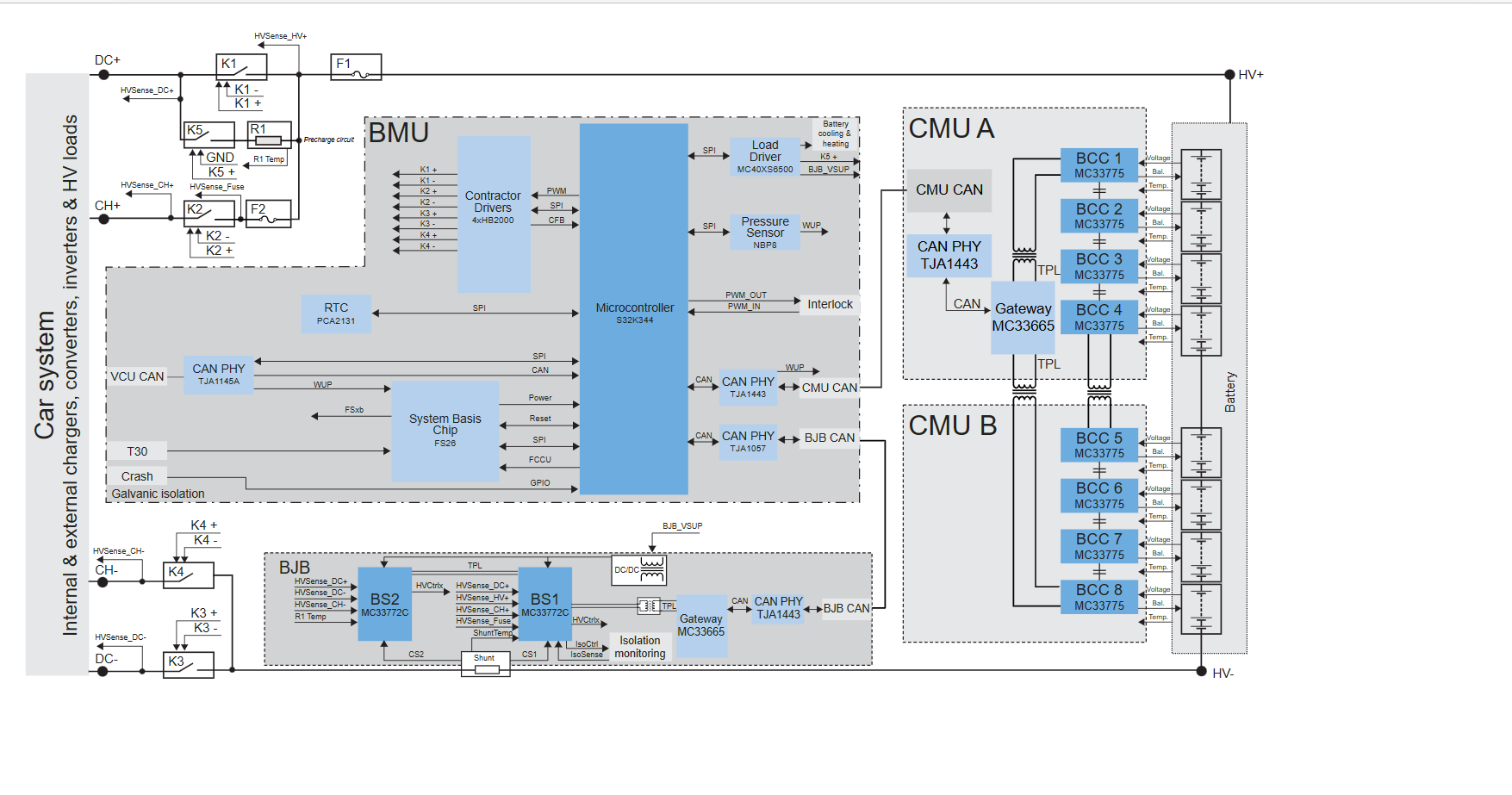
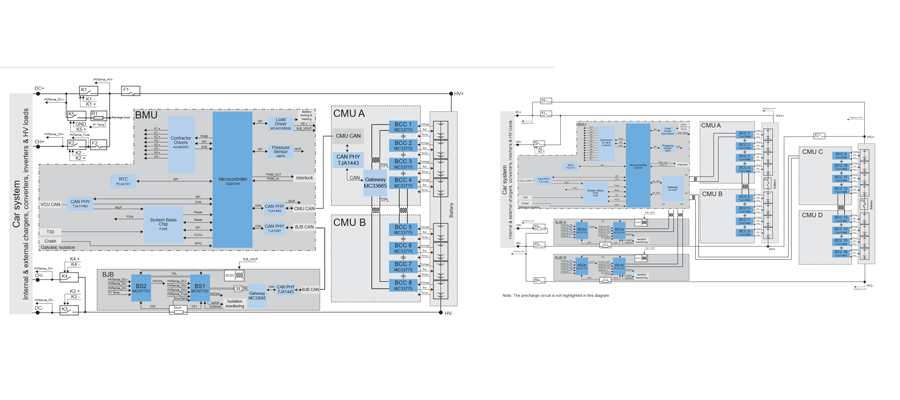
Fig 1: HVBMS Architecture for 400 V Using CAN FD
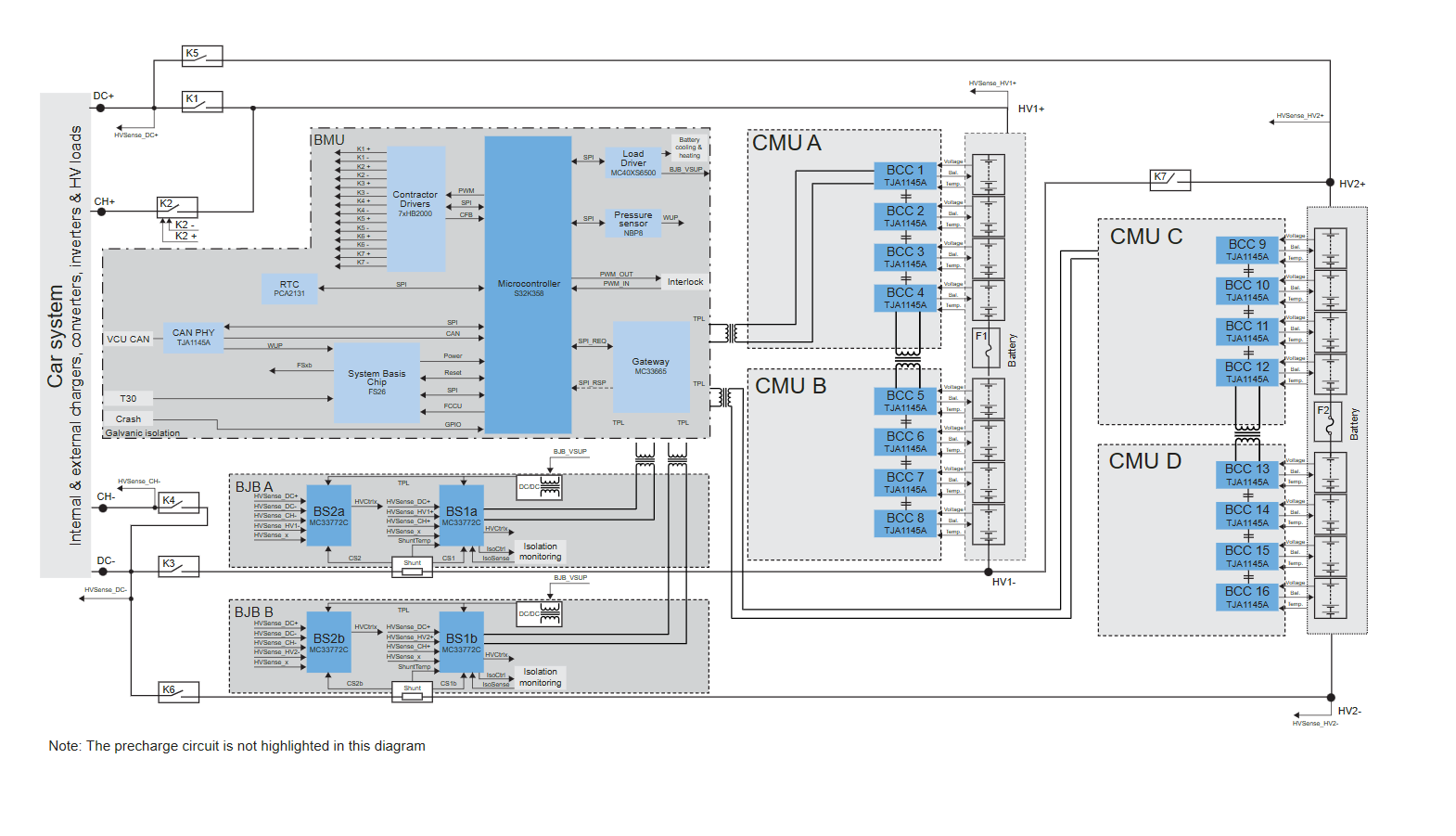
Fig 2: HVBMS Architecture for 800 V Using ETPL
As there’s no ‘one-glove-fits-all’ HVBMS architecture, any reference design must be flexible enough to adapt to all possible upcoming architectures. They need to address the varying system voltages from 400 V to 1000+ V, as well as upcoming hybrid 2 x 400 V configurations for switchable 800 V charging and 400 V driving. System architects need to assess how to set up the BMS internal communication between the battery management unit (BMU), which is the brain of the system and the cell monitoring unit (CMU) and the battery junction box (BJB) subsystem PCBAs. Considering next-generation function aggregation architectures, for example, via a propulsion domain controller, CAN FD poses an interesting alternative to state-of-the-art isolated daisy chain buses, by allowing the removal of the controller from the battery pack.
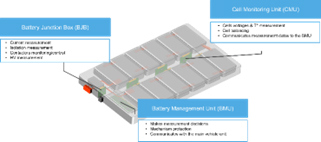
The BMS is Composed of 3 Modules: BJB, BMU, CMU
With the development of the high voltage battery management system reference design (HVBMS-RD), NXP showcases system-level knowledge and exceptional functional safety expertise. In addition to the scalable and flexible hardware architecture, the HVBMS-RD comes with an extensive range of supporting documentation that enables accelerated time-to-market and reduces the development effort and associated risk. The solution combines all the latest BMS silicon with production-grade software device drivers and reusable functional safety documentation, delivering ASIL D measurement values the customer’s application layer software can trust.

Emiliano Mediavilla Pons, System, product and functional safety architect, NXP

Konrad Lorentz, Product Manager in the BMS Marketing Team, , NXP

