
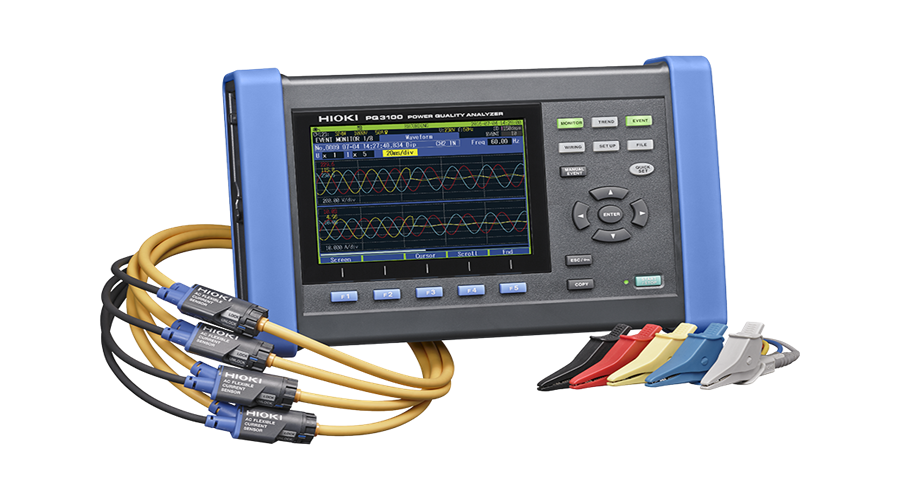
A power analyzer is a specialized instrument used to measure electrical power in various systems, including AC and DC circuits. It can provide detailed insights into the power consumption, energy efficiency, and quality of electrical systems. Power analyzers are typically used to monitor and analyze parameters such as voltage, current, frequency, power factor, and harmonics, allowing users to evaluate the performance of electrical devices, circuits, and systems.
Types of Power Analyzers




- Single-Phase Power Analyzers
- Used for measuring power in single-phase systems.
- Commonly employed in homes and smaller industrial settings.
- Three-Phase Power Analyzers
- Designed for measuring power in three-phase systems.
- Used in industrial and commercial power systems where three-phase electrical systems are common.
- Portable Power Analyzers
- Compact, handheld devices that are easy to carry for field testing and maintenance.
- Used in applications where mobility is required.
- Benchtop Power Analyzers
- Larger, more precise instruments for use in laboratory settings or manufacturing environments.
- Offer advanced features for analyzing multiple parameters in high-accuracy settings.
- Digital Power Analyzers
- Use digital processing for high accuracy and fast measurements.
- Offer advanced features like harmonic analysis and power quality measurements.
- Power Quality Analyzers
- Specialized for monitoring power quality parameters such as harmonics, voltage sags, surges, and transients.
- Common in industrial settings to ensure stable operation of sensitive equipment.
Power Analyzer Circuit Diagram
A basic power analyzer circuit typically consists of the following components:
- Voltage Sensing Circuit: Measures the voltage across the load.
- Current Sensing Circuit: Measures the current flowing through the load.
- Signal Processing Unit: Converts the analog signals into readable data for display or further analysis.
- Microcontroller/Digital Processor: Manages the data and performs calculations like power, energy, and power factor.
- Display Unit: Shows the results of the power analysis (can be an analog meter or digital screen).
An example of a simplified block diagram could be represented as follows:
Power Source → Voltage Sensing → Current Sensing → Signal Processing → Data Display
Power Analyzer Working
A power analyzer functions by assessing the electrical parameters of a system, such as voltage, current, and phase. The following provides a comprehensive explanation of its operation:
- Voltage Measurement: The analyzer measures the voltage across the load or circuit under test.
- Current Measurement: It also measures the current flowing through the load using a current transformer or shunt resistor.
- Power Calculation: Based on the voltage and current values, the analyzer calculates various power parameters, including:
- Active Power (P): The actual power utilized by the load to perform useful work.
- Reactive Power (Q): The energy that flows back and forth between the source and load without being converted into useful work.
- Apparent Power (S): The total power supplied to the load.
- Power Factor (PF): The ratio of active power to apparent power, indicating the efficiency of the system.
- Harmonic Analysis: For advanced models, the analyzer also detects harmonics and power quality issues, helping identify inefficiencies and system faults.
- Data Output: The results are displayed on a screen or sent to a computer for further analysis.
Power Analyzer Applications
- Energy Efficiency Analysis
- Used to analyze and optimize the power consumption of industrial machinery, HVAC systems, and appliances to improve energy efficiency and reduce costs.
- Power Quality Monitoring
- Detects issues like voltage sags, surges, harmonics, and flickers that can affect equipment performance and lifespan.
- R&D and Testing
- In research and development, power analyzers are used to test new electrical devices, ensuring they meet performance and regulatory standards.
- Electric Vehicle (EV) Charging Stations
- Monitors the power used in EV charging infrastructure to optimize performance and ensure compliance with standards.
- Manufacturing
- Used in the testing of production lines, machinery, and equipment to ensure they operate within safe and efficient power limits.
- Renewable Energy Systems
- Analyzes the performance of solar panels, wind turbines, and other renewable sources to assess power output and efficiency.
- Consumer Electronics Testing
- Ensures that consumer electronic devices meet energy consumption standards and helps optimize power usage in devices like laptops, phones, and TVs.
- Grid Monitoring
- Used by utilities to monitor power supply networks, ensuring stability and efficient distribution of electricity across regions.

