
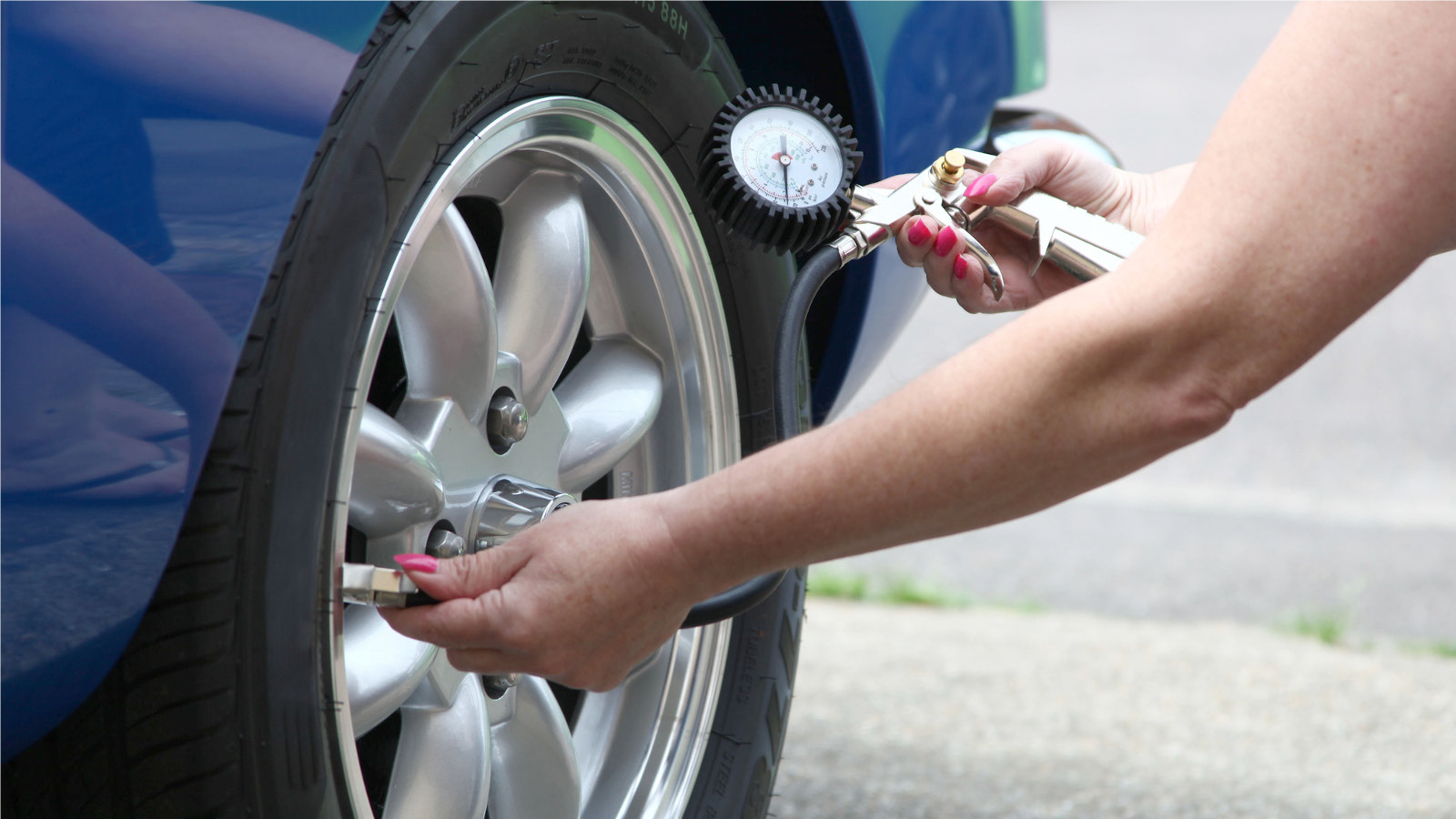
Have you ever been driving down the road, noticed that annoying little warning light on your dashboard, and wondered how your car knows how much air is in each of your tires? Well, the answer is a tire pressure monitoring system (TPMS), which is an important safety feature in modern cars. In this blog post, we’ll take a closer look at how TPMS works and why it’s so important, so let’s dive in!
How does the technology behind tire pressure sensors work?
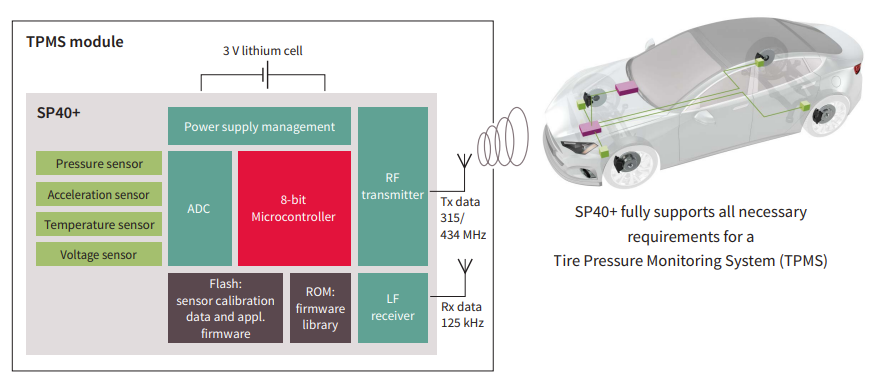
Each tire has a small sensor installed on the inside of the wheel rim. This sensor measures the air pressure inside the tire and sends a signal to the car’s computer system. The signal is transmitted wirelessly to a receiver located inside the car – this receiver can be located in various places, such as the dashboard or the tire pressure monitor module. Once the receiver receives the signal, it sends the data to the car’s computer system.




If the tire pressure drops below a certain level, the car’s computer system will trigger an alert, warning the driver of the low pressure in one or more tires. It’s important to note that TPMS doesn’t measure tire tread depth, alignment, or balance – it only measures air pressure.
Why are tire pressure sensors important?
Maintaining proper tire pressure is crucial for safe driving and fuel efficiency. Driving on underinflated tires can cause them to overheat, wear out faster, and even blow up, which can be dangerous. In addition, underinflated tires can reduce fuel efficiency by as much as 3%, which can add up over time.
TPMS helps drivers maintain proper tire pressure, which in turn helps ensure safe driving and optimal fuel efficiency. It’s also worth noting that TPMS has been mandated by law in Europe from 2014 onwards – meaning that all new cars must be equipped with a TPMS.
What sensor solution does Infineon offer for tire pressure?
Infineon offers a range of sensor solutions for tire pressure monitoring systems (TPMS), including the SP40 and SP49 pressure sensor, TLE4922 and TLE5501 magnetic sensors for detecting rotational speed and position, the XC27xxB family of microcontrollers with a built-in tire pressure sensor interface, and the AURIX TC3xx family of automotive microcontrollers with built-in support for tire pressure sensors. Infineon’s TPMS solutions are designed for high accuracy, reliability, and durability, meeting the demanding requirements of the automotive industry. With Infineon’s sensor solutions, car manufacturers can develop TPMS that enhance safety and lower fuel consumption, while improving the driving experience for car owners.
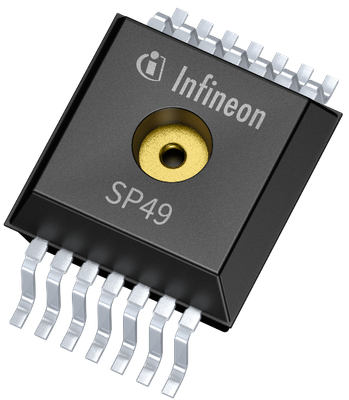
Additionally, Infineon has recently launched the new XENSIV SP49 tire pressure monitoring sensor. SP49 is a smart sensor that combines the MEMS technology with automotive knowledge to provide enhanced features for tire pressure monitoring systems. These features include the ability to sense the position and the load of the tire and detect if a tire has blown out.
Tire pressure sensors are an important safety feature in modern cars, as they help drivers maintain proper tire pressure, which is crucial for safe driving. With Infineon’s sensor solutions, car manufacturers can develop TPMS that enhance safety and lower fuel consumption, while improving the driving experience for drivers.

