

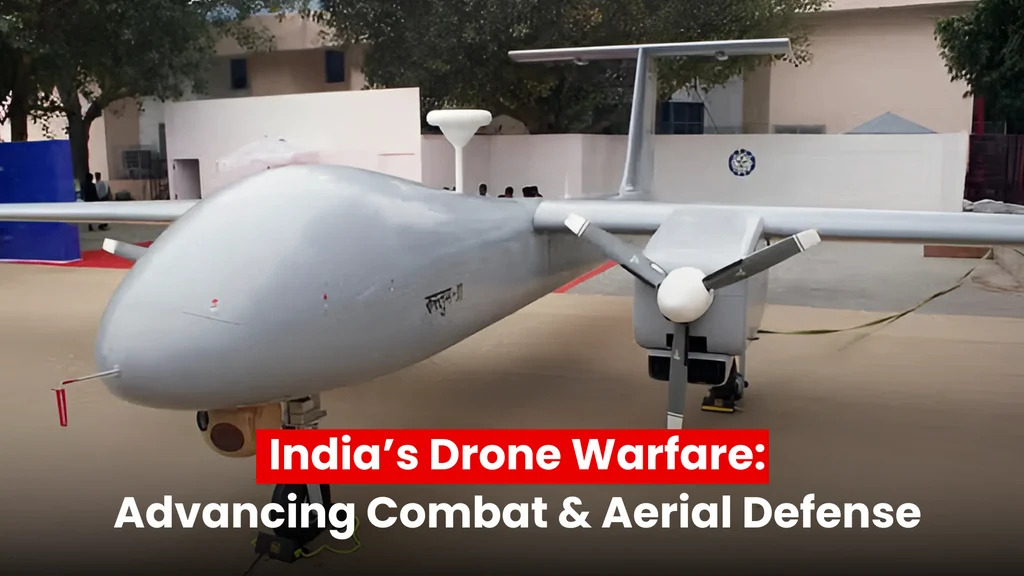
India is rapidly developing solutions for this threat of drone swarms and unmanned aerial systems that are proving to be a major problem for troops on modern battlefields. Its own drone counter system now incorporates radar and electro-optical and infrared sensors together with radio frequency detection and electronic warfare systems.
Through this technology a defence force should be able to not just detect and identify a drone, but also monitor it and determine an appropriate response. For example, radar can detect drones as soon as they enter the operational area, then other better sensors can be used to corroborate a possible threat. Defensive electronic warfare devices may also be able to jam the drone’s navigation or communication system.



AI is predicted to have even a greater responsibility and help humans understand what they detect much faster, especially because AI processes sensor data. This includes detecting whether it is a bird or an insect etc. And identifying which is threatening amongst several targets, etc.
As drone technology becomes a cheaper alternative for even those with limited budgets, it’s telling how much New Delhi’s priorities to tech have turned to ‘state-of-the-art counter-drone electronics’ which, after all, seems like it could be another front on which to engage any future enemy; after all, the ‘next-gen battlefield might be determined not so much by firepower, but by those capable of finding targets the quickest, processing information the best, and fighting the smartest.

