
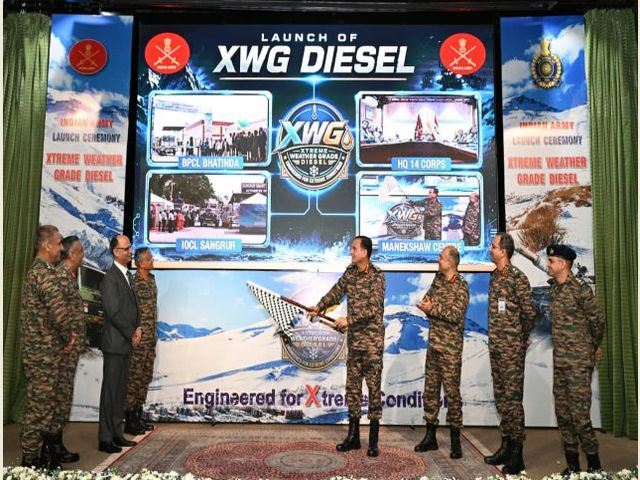
As geopolitical stakes rise and warfare evolves to include long-range precision attacks, high-altitude deployment and rapid troop deployment capabilities, countries face enormous pressure to modernise their defence capabilities. The task before India is not just limited to creating high end missile programmes, but also demonstrating round the year operationally ready systems in adverse conditions as well as establishing a robust indigenous defence industrial ecosystem. In the past couple of weeks-a Notice to Air Missions (NOTAM) of a missile test from long range, developed for extreme weather conditions and a rally in defence stocks-all signal accelerated efforts by India towards becoming defence self-reliant.
India has released an extensive NOTAM over the Indian Ocean along a 2,530 km route for the purpose of launching a strategic long-range missile test on August 6-7, 2026. Though India has not confirmed which missile, defence analysts say the vast No Fly zone is meant for an upcoming launch of a long-range, strategic nuclear weapon capability from the ITR off the coast of Odisha. NOTAMs like this were published routinely whenever, a missile is test-fired from India so that the entire air and maritime, shipping routes are shut down during missile tests for safe conduct.




Defence specialists observe that long-term operational capabilities and preparedness of armed forces in the future would no longer rest on solely state-of-the-art missile technology; to be operationally fit and effective in a contemporary environment, armed forces would need secure logistics and supply chains, custom-made fuels, flexible and resilient industrial production capabilities, and steady innovation. Current trajectory indicates that India is aiming for a combination of the above, to realise its dream of becoming a technologically modern and a self-reliant defence power to address the current and future security requirements of India, and the Indian region.

