
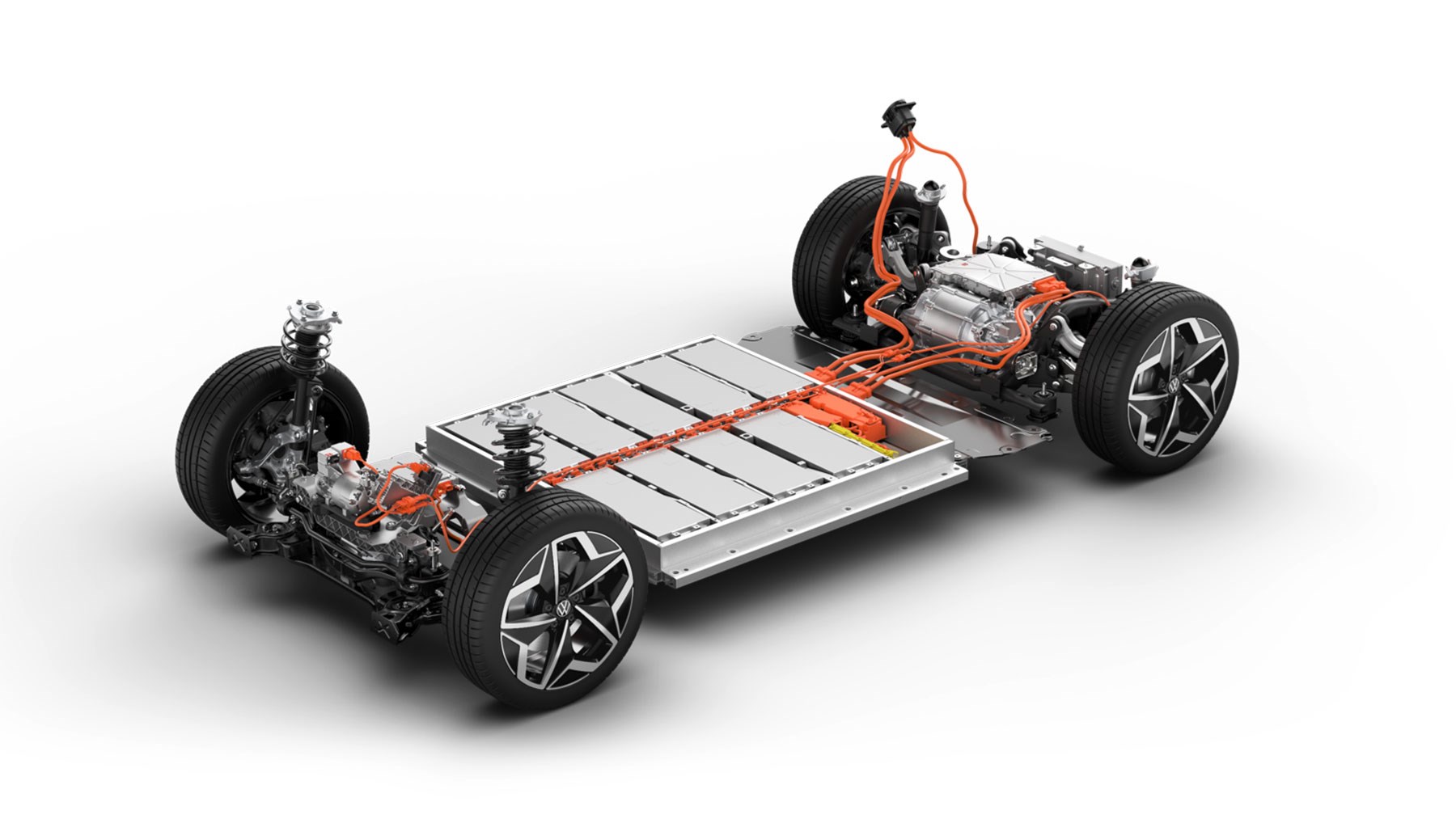
What if you no longer had to plug your electric vehicle (EV), which uses expensive and heavy Lithium-ion batteries, into an electrical socket for charging?
What if there was a much lighter, cheaper and greener battery that uses just air, water and the metal aluminium to generate electricity and does the job more efficiently by giving a driving range that’s more than double that a Li-ion battery offers, that too without the need for electricity to charge it?




This could become a reality in the country a year or two down the line thanks to state-run oil marketing giant Indian Oil Corporation (IOC) and Israeli clean energy startup Phinergy that are working on commercialising Aluminium-Air (Al-Air) batteries for EVs in India.
A prototype has been developed with 25 Al-Air cells stacked in a series and is being tested in electric cars with Tata Motors, in electric trucks and buses at Ashok Leyland and in electric three-wheelers with Mahindra & Mahindra.
The technology behind Al-Air batteries is simple. The oxygen that gets sucked into the AI-Air cell from the air reacts with water and aluminium to generate electricity. The best part is that once the Aluminum has been fully eroded, the battery can be reloaded with a new anode (aluminium plate) and fresh electrolyte. For the consumer, it means just swapping the used battery for a new one.
“What makes Al-Air tech attractive is that it has among the highest energy density (energy stored for a given mass/volume) of 8kwh per kg as compared to 1-1.5kwh per kg of Lithium and others. That’s why an EV using the most evolved Li-ion battery offers only a 100-150 km range per charge, while with Aluminium, even with half the energy density, you can still get a four times higher range,” said Dr SSV Ramakumar, director-R&D, IndianOil.
So, what makes Al-Air technology eco-friendly, safe and ideal for India? For one, AI-Air batteries require no electricity as they don’t need to be charged.
Secondly, the Aluminium Hydroxide solution generated in the used battery can be sent to a recycling unit to get 100% aluminium back, explained Dr Ramakumar.
Al-Air tech is safer because it uses only a water-based electrolyte that is free from toxins and has a wide range of temperature operability, unlike Li-ion technology which uses organic toxins-based electrolytes that are highly inflammable, he added.
Aluminium is abundantly available locally, while all lithium reserves are located outside India. Also, Aluminium being a lightweight metal there is no negative consumption of energy due to the battery’s weight unlike Li-ion batteries that are much heavier, he added.
The only hitch today is that as Al-Air technology has low power density, a reduced size Li-ion battery would be required to augment it as peak load operations and starting of vehicles require higher power density.
Apart from e-mobility, Ramakumar said Al-Air batteries can also cater to stationary applications like powering mobile phone towers that currently run on polluting diesel sets.

