
As per Fact.MR, a provider of market research and competitive intelligence, the global automotive fuel cell systems market is expected to garner US$ 65 billion by 2033, skyrocketing at 41.6% CAGR from 2023 to 2033.
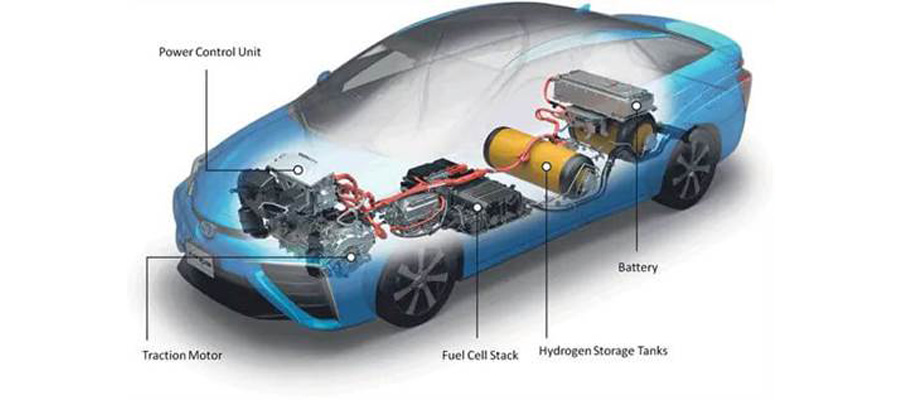
Fuel cell vehicles use hydrogen fuel to propel themselves. This fuel is stored in high-pressure tanks before being delivered into a fuel cell stack, where hydrogen and oxygen, both naturally present in the air, react to produce electricity.




Government assistance to promote zero-emission vehicles and rapidly growing consumer awareness are the main factors boosting the expansion of the global automotive fuel cell systems market. Furthermore, stringent emission standards and the advancement of fuel cell technology are propelling the market growth.
Fuel cell-powered vehicles have a longer driving range, quieter operation, and faster refilling technology than competitors, making them perfect for transportation. Moreover, this fuel can be utilized in a variety of transportation applications, including LCVs (light commercial vehicles), HCVs (heavy commercial vehicles), trains, buses, and defense vehicles.
Asia Pacific is leading the global market due to supportive government FCEV (fuel cell electric vehicle) deployment targets and increased hydrogen-fueled infrastructure investments. Furthermore, the existence of numerous large-scale fuel-cell passenger car manufacturers in the region is projected to bolster regional market growth.
Key Takeaways from Market Study
- The global automotive fuel cell systems marketamounted to US$ 2 billion in 2023.
- Worldwide demand for automotive fuel cell systems is projected to surge at a CAGR of 41.6% during the forecast period (2023 to 2033).
- The global market is estimated to touch US$ 65 billion by 2033.
- Asia Pacific accounted for 65% share of the global market in 2022.
- Passenger cars captured 84.3% share of the worldwide market in 2022.
“Soaring demand for zero-emission vehicles and significant government support are primary aspects driving the global market for automotive fuel cell systems. Moreover, rising gasoline prices globally are increasing the demand for fuel-cell-powered vehicles,” says a Fact.MR analyst.
Winning Strategy
Major car manufacturers are focusing on collaborations to introduce new vehicles and expand their presence in the worldwide market.
For example, Toyota launched hydrogen fuel-cell trucks in conjunction with Isuzu and Hino Motors in June 2022. These trucks can drive great distances to perform multiple delivery tasks in a single day.

