
Excess heat on printed circuit boards (PCBs) can result from poor design, incorrect parts and material selection, wrong component placement, and inefficient heat management.
The resulting high temperatures negatively affect functionality, components, and the board itself. The effect of elevated temperatures may be negligible in many applications, but in high-performance designs, it can be significant.




Thus, proper heat management is an important aspect of electrical engineering. An integrated approach to heat management involves paying attention to everything right from the component level, all the way to the physical board system and operating environment.
The increasing component density in today’s electronic circuits can contribute to thermal problems. Also, PCB design flaws and ineffective cooling techniques can lead to unacceptably high temperatures.
Incorrect Component Placement:
Some high-power devices require locations with proper airflow, either natural or forced, to transfer the heat away. As such, these should be placed at locations where there are vents or good airflow.
Without proper airflow and heat removal, the PCB will keep most of the heat and this will cause a gradual temperature increase, leading to poor circuit performance or damage. Also, keep in mind that sensitive components will experience thermal stress if they are placed near those emitting large amounts of heat.
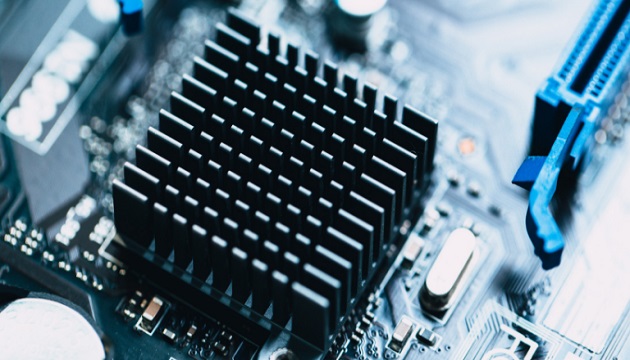
High-power components such as power transistors can produce hot spots on a PCB. But with proper heat sinking and natural or forced cooling, it is possible to maintain temperatures within safe limits.
Environmental and External Thermal Factors
Failure to consider the conditions in the target environment during design may expose the components to thermal stresses when the PCB is used in areas with extreme temperatures.
Manufacturers provide specifications that are applicable within a certain temperature range. For example, resistance values are usually quoted for a temperature of 20°C. It’s important to keep in mind that components such as resistors, capacitors, and semiconductors have parameters that change with temperature.
Wrong Component and Material Selection
Failure to follow recommended guidelines during component selection may lead to thermal issues. It’s important to study the datasheet and consider all relevant information related to power dissipation, thermal resistance, temperature limits, and cooling techniques.
Also, make sure that you are choosing a power rating that is appropriate for the application. An easy mistake to make is repeatedly using the same resistor (perhaps because the corresponding component is already in your CAD library), despite the fact that certain applications might require a higher power rating. Do a quick power calculation for your resistors and ensure that the rating is significantly higher than the maximum expected dissipation.
Poor PCB Design and Manufacturing
Poor layout and manufacturing processes can contribute to PCB thermal problems. Improper soldering may impede heat dissipation, and inadequate trace width or copper area can lead to problematic temperature increases.
Conclusion
To prevent thermal problems, designers must reduce heat dissipation and use additional removal techniques when natural cooling is insufficient. Producing a thermally optimized design requires paying attention to component specifications, PCB layout, PCB dielectric material, and environmental conditions.

