HomeIndustryAutomotiveElectric cars can likely be charged at homes and offices soon

Electric cars can likely be charged at homes and offices soon

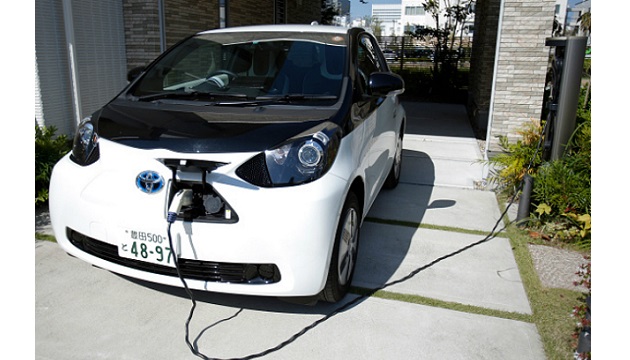
Electric cars and scooters can now be charged at homes with priority access to electricity from power utilities, reports Mint. According to the report, new guidelines were issued by Anoop Singh Bisht, under secretary in the power ministry, to all Union ministries and departments and the chief secretaries of states and Union territories.

The power ministry early this year issued a notification clarifying that setting up charging stations for electric vehicles will not require a separate licence under the Electricity Act of 2003.

The government has asked public charging stations to install both Japanese and Chinese charging technologies for electric vehicles since they have been unable to select one. This will likely raise costs of charging stations. Also, the guidelines require one charging station to be set up every three km in cities and every 25 km on both sides of highways. The tariff for supply of electricity to electric vehicle public charging station shall not be more than the average cost of supply plus 15%.

India has been trying to work out a standard charging format amid strong lobbies on each end. Lack of clarity on charging protocol, delayed the process of demand for electric vehicles in the market.


ELE Times Research Desk
ELE Times Research Deskhttps://www.eletimes.ai
ELE Times provides a comprehensive global coverage of Electronics, Technology and the Market. In addition to providing in depth articles, ELE Times attracts the industry’s largest, qualified and highly engaged audiences, who appreciate our timely, relevant content and popular formats. ELE Times helps you build awareness, drive traffic, communicate your offerings to right audience, generate leads and sell your products better.

Related News

Must Read

Upgrading Factory Power Safety with Silicon Carbide Semiconductors from Infineon and Siemens

Semiconductor circuit breakers are fast-acting, semiconductor-based electronic devices that...

Wide-Bandgap (WBG) Power Electronics: Transforming the Future of High-Efficiency Energy Systems

The global power electronics industry is undergoing a major...

What is the Future of Embedded Systems?

In the next five years, the embedded landscape will...

India Targets 50% Semiconductor Self-Sufficiency by FY35

In a major push toward technological sovereignty, India is...

Silicon Photonics: Breaking the Bandwidth Barrier in AI Computing

Introduction: When Data Movement Becomes the Bottleneck Artificial intelligence now...

PLC, PAC, and Industrial PC Architectures for Automation

Navigating the New Era of Industrial Control Systems Introduction Industrial automation...

Optics and Silicon Photonics: The Next Data Highway Inside Chips

For more than five decades, the semiconductor industry has...

Neuromorphic Engineering & Edge AI: The Future of Intelligent Computing

Artificial Intelligence is rapidly transforming industries, but traditional AI...

Ensuring Reliable AI in Safety-Critical Systems: Challenges and Engineering Solutions

Introduction: When AI Decisions Carry Real-World Consequences In safety-critical environments,...

Nanometer Nanotubes for Future Electronics

1nm molybdenum disulfide tubes expand nanotube science beyond carbon Researchers...