
Courtesy: Anritsu
In our increasingly mobile-dependent world, the need for reliable wireless coverage and capacity inside buildings has become paramount. This blog will delve into the concept of In-Building Wireless (IBW) systems, their significance, and the various architectures and technologies used to provide enhanced network coverage and capacity indoors. Understanding these systems is crucial as they are the backbone of our modern communication, enabling seamless connectivity in our homes, offices, and public spaces.




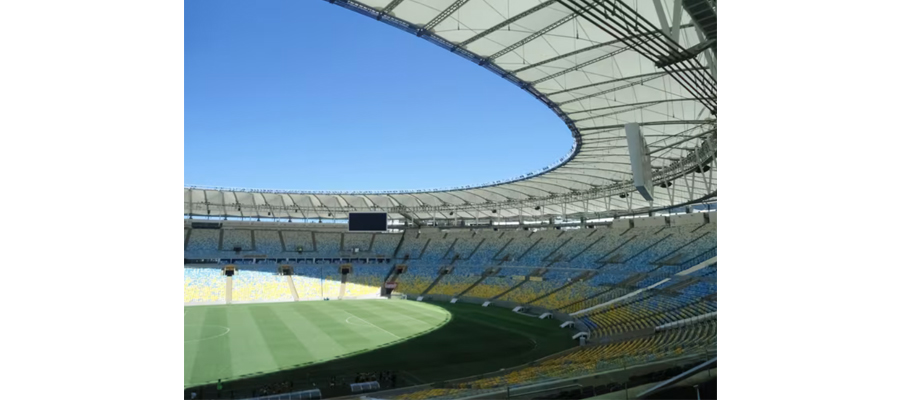
The demand for IBW systems becomes apparent when the existing macro network fails to meet the need for coverage and capacity within buildings adequately. However, challenges such as building structure, low emissivity glass, and RF barriers created by adjacent buildings can lead to subpar coverage. Overcoming these challenges is a testament to the importance and complexity of IBW systems, especially in densely populated urban areas and high-density venues like stadiums and convention centers.
The funding and ownership models for IBW systems are diverse, reflecting the various benefits derived from enhanced wireless services. Operators sometimes negotiate leases with building owners, taking on the costs of designing, installing, and maintaining the IBW system in exchange for exclusive coverage rights. In other cases, building owners are mandated by regulations to provide public safety coverage and cover the entire cost of the IBW system. Cost-sharing is arranged in venues like shopping centers and stadiums, where both the building owner and mobile operators benefit, showcasing the adaptability and flexibility of IBW solutions.
IBW solutions are not one-size-fits-all. They can be categorized into three main architectures, each with its own unique features and benefits: Distributed Antenna Systems (DAS), Distributed Radio Systems (DRS), and Distributed Small Cells (DSC). The choice of architecture is a critical decision, depending on various factors, including coverage objectives, budget, venue size, number of operators, and required technologies, emphasizing the importance of this selection process.
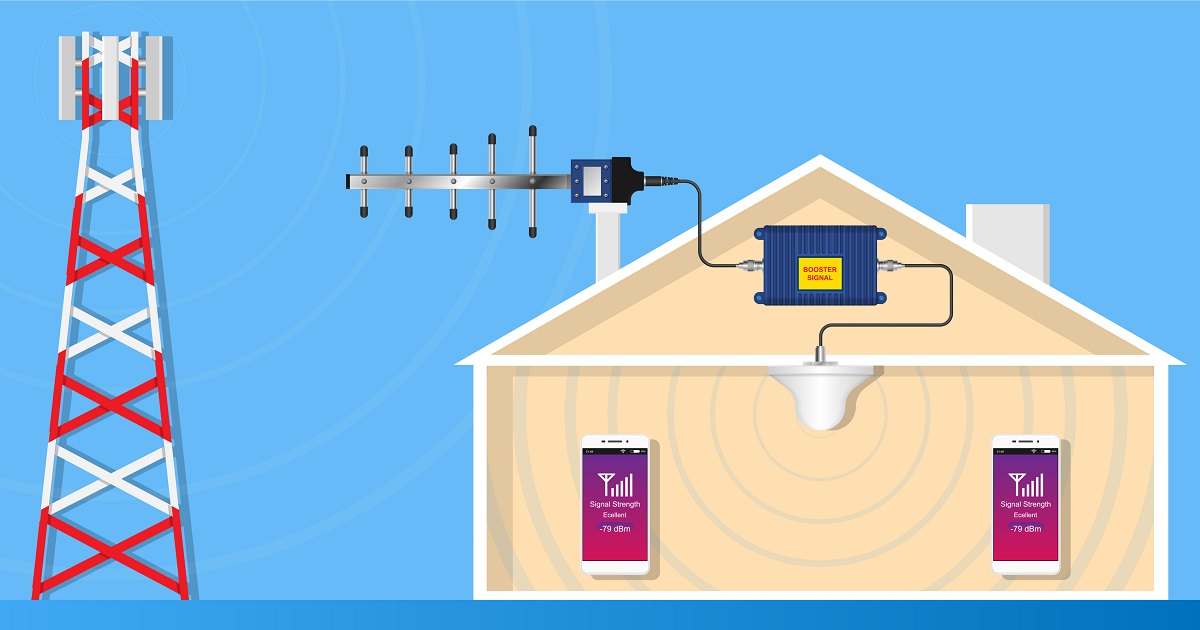
DAS is the most common method used to achieve IBW coverage and capacity. It involves distributing signals from RF sources throughout the venue using passive components like coaxial cables, splitters, and directional couplers. DAS can accept RF inputs from various signal sources, making it technology-neutral and suitable for multi-operator applications. There are different types of DAS, each with its own unique characteristics: passive DAS, active DAS, hybrid DAS, and digital DAS, each with its strengths and weaknesses.
Passive DAS
Passive DAS uses only passive components to distribute signals throughout the venue. It relies on coaxial cables, splitters, and directional couplers to divide the signal and achieve the desired signal level at each antenna. Signal sources for passive DAS can include repeaters, bi-directional amplifiers (BDAs), and small cells. Passive DAS is cost-effective, reliable, and suitable for multi-operator systems. However, it can be challenging to modify after installation and may encounter passive intermodulation (PIM) issues.
Active DAS
Active DAS involves converting signals to light and distributing them over fiber optic cables to radio units distributed throughout the venue. It offers greater flexibility in modifying sectorization and fine-tuning radiated power levels. Active DAS requires higher upfront costs but provides benefits such as easier cable routing, longer battery life for mobile users, and the ability to monitor system performance. It is suitable for large venues and multi-operator applications.
Hybrid DAS
Hybrid DAS combines active and passive components to mitigate costs while maintaining performance. It uses active components for long-distance signal transport and passive components for signal distribution within each zone. Hybrid DAS provides a balance between cost, performance, and maintainability, making it suitable for multi-operator systems serving large and complex venues.

Digital DAS
Digital DAS utilizes radios manufactured by the DAS equipment provider and can accept RF inputs from various network equipment manufacturers. It uses digital transport protocols to distribute signals and offers dynamic resource allocation within the venue. Digital DAS supports centralized radio access network (C-RAN) and enables the backhaul of IP traffic. It provides flexibility and scalability, making it suitable for venues with changing coverage requirements.
Conclusion
In-building wireless systems are crucial in providing reliable coverage and capacity inside buildings. The choice of IBW architecture depends on various factors, including coverage objectives, budget, and venue size. Passive DAS, active DAS, hybrid DAS, and digital DAS each have their strengths and weaknesses, and the selection should be based on the specific requirements of the application. As mobile devices evolve and data demands increase, IBW systems will continue to play a vital role in meeting the growing demand for indoor wireless connectivity.

