
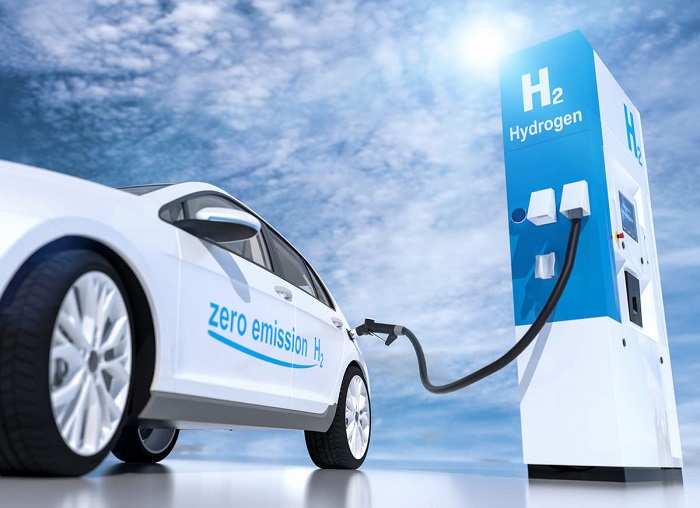
The new breed of Electric Vehicles powered by hydrogen, the fuel cells vehicles (FCVs), that have the potential to ensure emission-free driving, higher output and superior environmental performance, are gaining ground in the new mobility space. According to the findings of a P&S Intelligence report, the fuel cell electric vehicle market generated a revenue of USD 3,059.5 million in 2020.
The surge in the regulation-driven requirement for automobiles with low carbon emissions, and the rapid advancements in the fuel cell technology are expected to power the global fuel cell electric vehicle market during 2021–2030




In addition to these, the efforts of leading fuel cell vehicle manufacturers such as Toyota Motor Corporation, SAIC Motor Corporation Limited, and Hyundai Motor Company, will propel the growth of the fuel cell electric vehicle market, especially in the Asia-Pacific (APAC) region, during this period.
However, the growth of the cell electric vehicle market has been hampered by the COVID-19 pandemic since 2020. “Because of the imposition of lockdowns in several countries, manufacturing activities have come to a halt. The ripple effects were clearly visible in crude prices, which fell into negatives. In addition to the falling crude prices, the high cost of the fuel cell electric vehicles also negatively impacted their sales, thereby affecting the market growth.
The leading players in the fuel cell electric vehicle market have been active in product launches, collaborations and partnerships in order to strengthen their industry position
Hyundai Motor Group launched the Xcient Fuel Cell, its first truck powered by this technology, in July 2020. In June the same year Toyota Motor Corporation started a joint venture for developing fuel cells in China with China FAW Corp., Guangzhou Auto, Beijing Automobile Group Co., Beijing SinoHytec Co., and Dongfeng Motor Corp. This venture, United Fuel Cell System R&D, initially attracted an investment of USD 46 million.
The findings suggest that the commercial vehicle segment is likely to grow faster in the market during the forecast period due to the rising requirement for emission-free trucks and buses for logistical operations and public transportation.

