

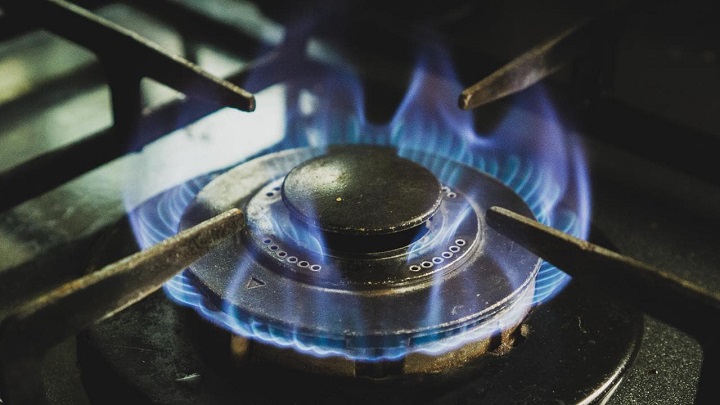
Researchers from the Indian Institute of Technology (IIT) Guwahati have developed a technology that makes cookstoves energy-efficient, economical and eco-friendly. According to the team, the burners used in these cookstoves are based on Porous Medium Combustion (PMC) technology, which is capable of exhibiting enhanced combustion characteristics.
“Sustained use of clean cooking energy is influenced by multiple factors like the accessibility of the fuel, affordability of the recurring cost of the fuel, consumer awareness of the adverse health impacts, etc. Therefore, clean cooking energy solutions must be appraised from a multi-dimensional lens,” said P Muthukumar, who is a professor at IIT Guwahati.



“One of the important aspects of cooking energy solutions is the development of efficient and eco-friendly cookstoves. Over the years, significant research has been devoted to achieving this goal. However, these improved cookstove’s impacts are limited due to the inherent disadvantage of combustion technology,” he added.
Muthukumar, along with his research team, has developed Porous Radiant Burners (PRBs) for various cookstoves with advanced combustion technology known as Porous Media Combustion.
The project is financed through IMPRINT, a technology development initiative of the Ministry of Education and the Department of Science and Technology.
“These indigenously developed cookstoves are assisted with specially-designed PRBs that yield better performance as compared to their conventional counterparts at all three fronts of energy-saving, emissions and overall cost. The newly developed PRBs can be effectively used for fuels like LPG, biogas and kerosene for domestic as well as community and commercial cooking.
“These PRBs operate on the principle of Porous Media Combustion (PMC), where the reaction is entrapped in a porous matrix, due to which the heat loss to the surroundings is restricted and a higher amount of heat is transferred to the load. The prototypes needed for the invention have been developed in-house and are rigorously tested against available BIS standards for cookstoves. Fuel-saving from these cookstoves is highly promising,” Muthukumar said.
The research team plans to commercialise the technology within a year and corroborate with industrial partners to extend the reach of these cookstoves in the Indian market.
“We believe that the work will have a global impact on the burner-based applications and their multi-billion-dollar market worldwide,” the professor said.

