
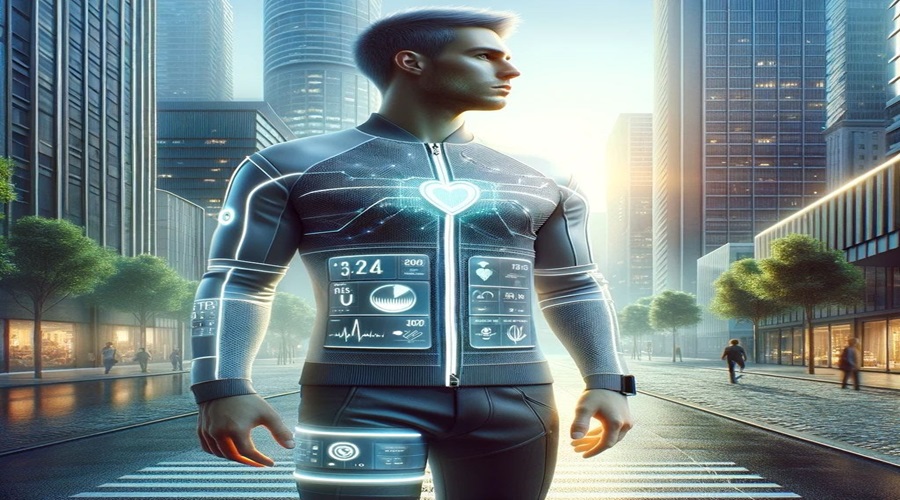
Smart clothes, also known as e-textiles or wearable technology, are garments embedded with sensors, actuators, and other electronic components that enable them to interact with the wearer and environment. These clothes can monitor various health parameters, provide connectivity, and even adapt to the user’s needs.
How Do Smart Clothes Work?




Smart clothes work through integrated sensors and actuators that can detect physical movements, environmental factors, and biological signals. These sensors collect data such as heart rate, body temperature, moisture levels, posture, or even muscle activity. The data is then transmitted to a connected device (like a smartphone or cloud server) for analysis and real-time feedback. Smart fabrics may also have embedded conductive threads that allow them to transmit electrical signals.
Some smart clothes are powered by flexible batteries, solar cells, or energy harvested from movement (like piezoelectric materials), making them lightweight and functional.
Smart Clothes Technology
The core technologies in smart clothes include:
- Conductive fabrics and threads: Materials capable of transmitting electricity, enabling the integration of sensors and circuits into fabrics.
- Flexible sensors: Lightweight sensors that measure things like temperature, pressure, motion, and even muscle activity.
- Wireless communication: Bluetooth, NFC, or Wi-Fi to send data from the clothes to external devices.
- Power sources: Small batteries or energy-harvesting systems like solar cells or kinetic energy converters.
Smart Clothes Applications
- Health and Fitness Monitoring: Smart clothes like heart rate-monitoring shirts, posture-correcting jackets, and smart sports bras help track and analyze physical activity, vital signs, and performance metrics in real-time.
- Medical and Rehabilitation: Some garments are designed for patients, offering features like tracking vital signs, muscle movements, and even aiding muscle stimulation.
- Safety: Smart clothes can include features like LED lights for better visibility for cyclists, workers, and runners, and GPS for tracking.
- Fashion and Aesthetics: Garments with integrated displays that change patterns or colors based on the environment or user input.
- Climate Control: Thermal adaptive clothing adjusts to body temperature, providing cooling or heating effects.
- Workplace Use: In sectors like construction, smart clothing can alert workers about their posture, fatigue, or physical stress.
Smart Clothes Advantages
- Health Monitoring: They enable continuous monitoring of health metrics like heart rate, blood pressure, and body temperature, which can be used for preventive health care.
- Improved Performance: Athletes and fitness enthusiasts can track performance and adjust their training based on real-time data.
- Enhanced Safety: In work environments, smart clothes can provide early warnings about hazardous conditions, track worker location, or improve visibility.
- Personalized Comfort: With adaptive features, smart clothes can adjust their temperature, moisture level, or fit according to environmental conditions and personal preferences.
- Convenience: The integration of technology into clothes reduces the need to carry separate gadgets and can be more discreet and comfortable compared to wearables like watches or fitness bands.
Smart clothes continue to evolve, combining the worlds of fashion, health, technology, and convenience into one seamless experience.

