
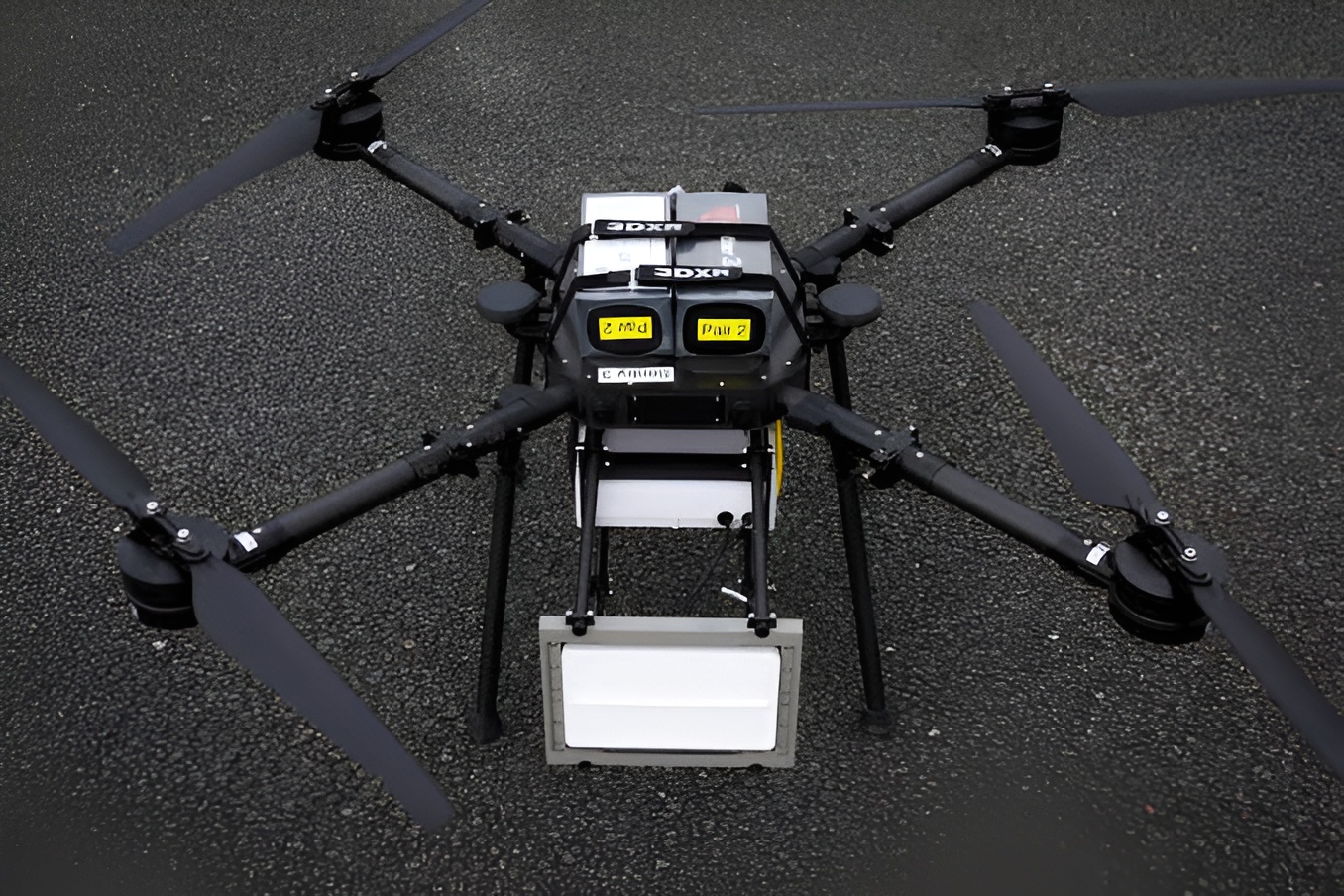
Nexus software connects radar, sensors and drone systems to improve detection, information sharing and defensive decision-making.
Dutch software firm Intelic is working on AI-enabled coordination technology to help Ukraine counter an increasing onslaught of hostile drones and missiles, a Reuters report published on 8 th October said. According to the news agency’s report, the company’s Nexus software was tested at a converted airbase and was being rolled out in Ukraine’s battle environment. The software is meant to correlate information from different radar systems, sensors, and image-recognition systems so operators can piece together a clearer picture of aerial threats. The efforts target one of the key problems in modern air defences- where equipment made by different manufacturers does not always easily work with other systems.
Reuters reports, Intelic has been awarded a 30m contract by the Dutch Defence Ministry. It is designed to integrate new systems as the nature of battlespace needs shift- a key feature in a war where drone specifications, countermeasures and combat strategies are constantly changing. More generally, it illustrates how these sorts of technologies are replacing traditional hardware as the fundamental component of defence systems, with the thrust increasingly on integrating different sensors, information and weaponry, and sharing it so the system can act as a cohesive whole.




AI can identify information processing and threat detection; however, the reliability and accuracy of this is based on the sensors and the quality of training data, communications, and operational testing. Human supervision and engagement rules still need to exist, especially for automated systems that support key and high-consequence decisions. Ukraine’s application is being observed by the world as militaries research more flexible, software-based approaches to counter-drone efforts.

