

Despite impending challenges in smart-tech implementation and rising geopolitical tensions, Bosch remains committed to a favourable technology-enabled future. When it comes to innovative strength, Bosch is one of the strongest industrial companies in the world and one of Europe’s most prolific patent applicants. As a testament, the company registered around 6,300 patents in 2025, the highest number of any German tech conglomerate.
Cross-border trade hurdles and global supply chain disruptions have posed significant concerns for companies. However, Bosch has maintained its R&D and upfront investments in areas such as electro-mobility, semiconductors, and state-of-the-art braking control systems.



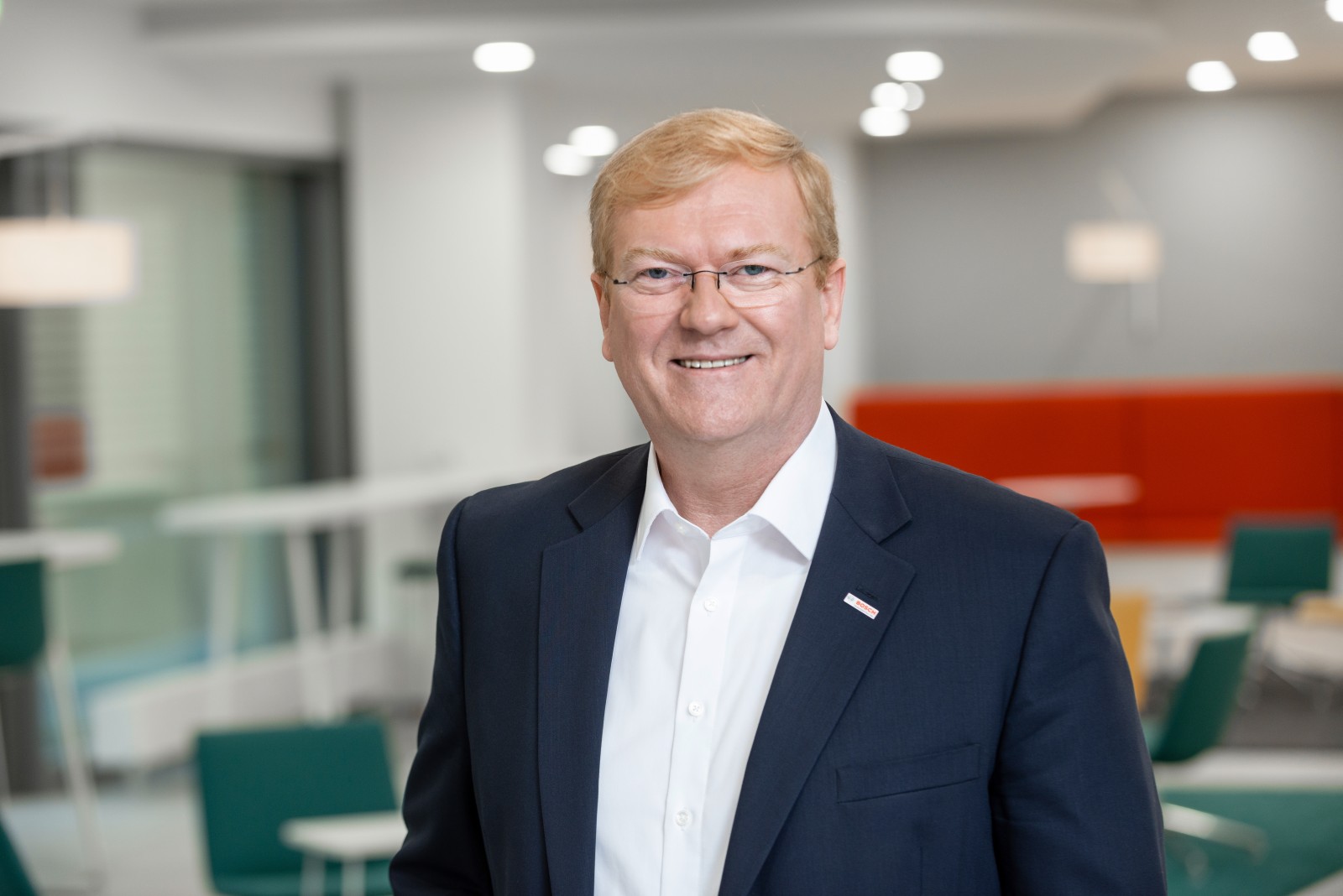
Stefan Hartung, Chairman of the Board of Management at Robert Bosch GmbH, said, “As a global technology leader, we are committed to shaping the trends of automation, digitalization, electrification, and artificial intelligence, as this also paves the way for profitable growth in our business.”
Structural adjustments have proven to boost competitiveness. The Bosch Group intends to exploit the growth prospects in its global markets with full innovative strength in the current financial year. “Bosch can deliver the future, even under unfavourable conditions. 2026 will be a year of progress,” averred Hartung.
Sensor Technology Innovation in Automation and Robotics
Bosch is driving forward numerous innovations in microelectronics and sensor technology and expects its consistent focus on technology that is “Invented for life” to provide considerable growth impetus. Experts suggest that the global market for sensors could be worth more than $440 billion by 2031. The technology supplier stands to benefit from growth in potential applications: the company’s sensors are playing an increasingly important role in robotics. For example, the BMI5 sensor platform creates artificial environments extremely realistically and helps robots find their way around even under difficult conditions. With this, its most powerful sensor solution to date, Bosch considers itself well positioned for a rapidly growing segment.
In the field of automated driving, inertial sensors are regarded as a key component of the future and offer additional sales potential. They enable cars to maintain full awareness of their whereabouts even when camera or GPS signals aren’t available. “These sensors work for an automated car in much the same way as the sense of balance does in the human inner ear,” Hartung said. According to analysts, the market for intelligent sensors in automotive applications is set to almost double to more than 80 billion U.S. dollars by the middle of the next decade.
Mobility Innovations: Algorithms and Powertrains Boost Growth
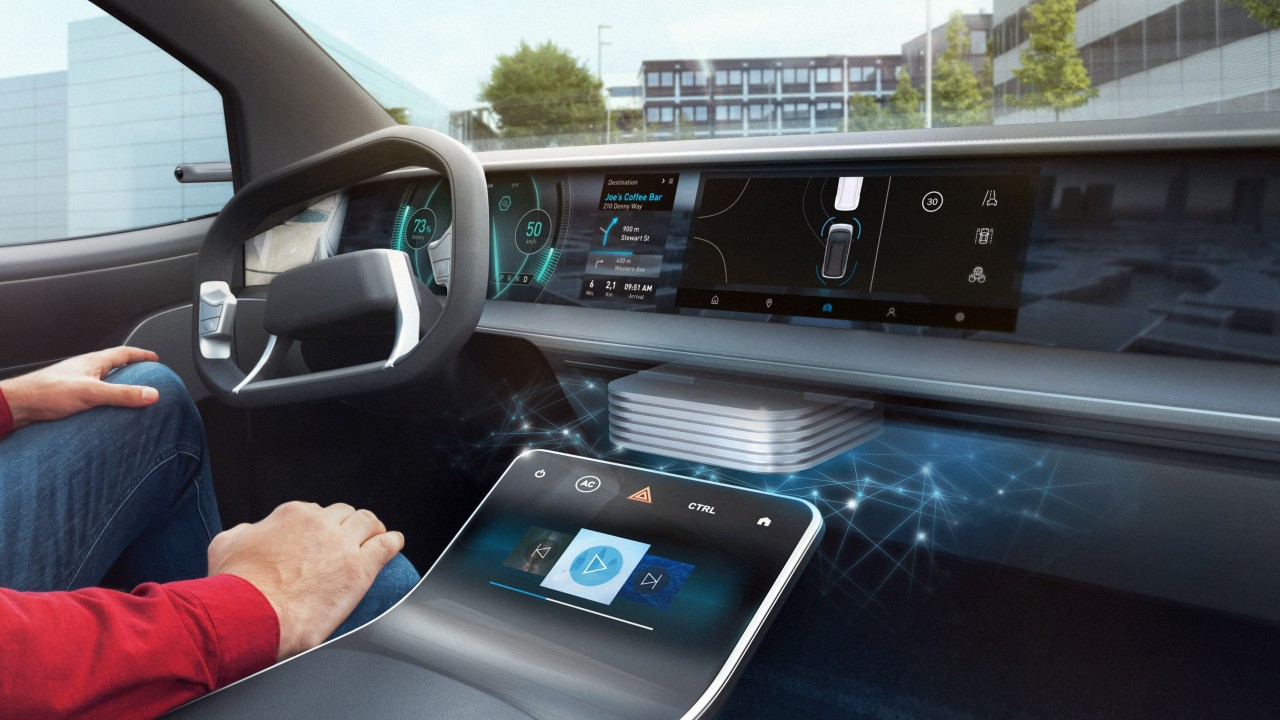
Bosch expects the market for automotive software to be worth around 200 billion euros by 2030. As a result, Bosch chairman Hartung sees great growth opportunities in software-defined mobility. “Bosch is at the forefront in this area and is now literally bringing AI into the driver’s field of vision,” Hartung said. The new Bosch AI Extension Platform is an AI-capable high-performance computer that, in conjunction with an interior sensing solution, turns driving into a highly personalized experience.
“The vehicle recognizes who’s at the wheel and detects whether there are any other passengers on board, then adjusts everything: from the exterior mirrors and vehicle handling to optimized airbag deployment in the event of an accident.” Product innovations in intelligent driver assistance solutions are also generating new business across all regions of the world: together with sensor technologies and central vehicle computers, Bosch secured orders worth 10 billion euros in 2025.
“Of course, the cars of the future will need not only algorithms but also powertrains,” Hartung mentioned, acknowledging the growing electric mobility trends across the globe. “This year alone, we will deliver more than 7 million solutions and components for electric driving.” As a step in the right direction, Bosch announced a joint venture with Tata AutoComp Systems in India just a few months ago. This e-mobility joint venture will focus on the development, manufacturing, and sale of electric axles and motors in the Indian market.
AI Innovations: Driving Consumer Goods and Services Biz
AI is providing significant growth opportunities for Bosch in the services and product businesses. For example, a new oven model with an AI-based voice function is securing new sales potential for the BSH Hausgeräte division. This revolutionary model does not require any external loudspeakers or additional apps. Overall, the worldwide business with home appliances in the luxury and premium segment is expected to continue to grow, particularly in North America.
Market experts estimate that global sales of home appliances will reach around five billion units by 2030. The use of AI is also driving product innovations in the Power Tools division. Since the start of the year, the first 30 tools in the Expert product line have been on the market and are setting new standards for professional power tools. These include a new wall scanner that locates objects in different types of walls and uses Bosch radar technology in combination with AI object detection for the first time.
Bosch’s services business is also benefiting from AI: The Bosch Global Service Solutions division also expects double-digit average sales growth by 2030 thanks to AI-based applications. Its service portfolio includes solutions for digital mobility services such as eCall and breakdown assistance as well as offerings for fleet operators and logistics providers.
Financing for Future Critical Areas
Bosch believes that the weak economic development of 2025, while less prevalent, continues in 2026. High levels of uncertainty, primarily due to geopolitical developments with the as yet unpredictable effects of the war in the Middle East, are likely to continue to affect inflation and global economic output. Moreover, price and competitive pressure remain high. Nonetheless, in the first three months of the year, Bosch was able to keep its sales more or less at the previous year’s level.
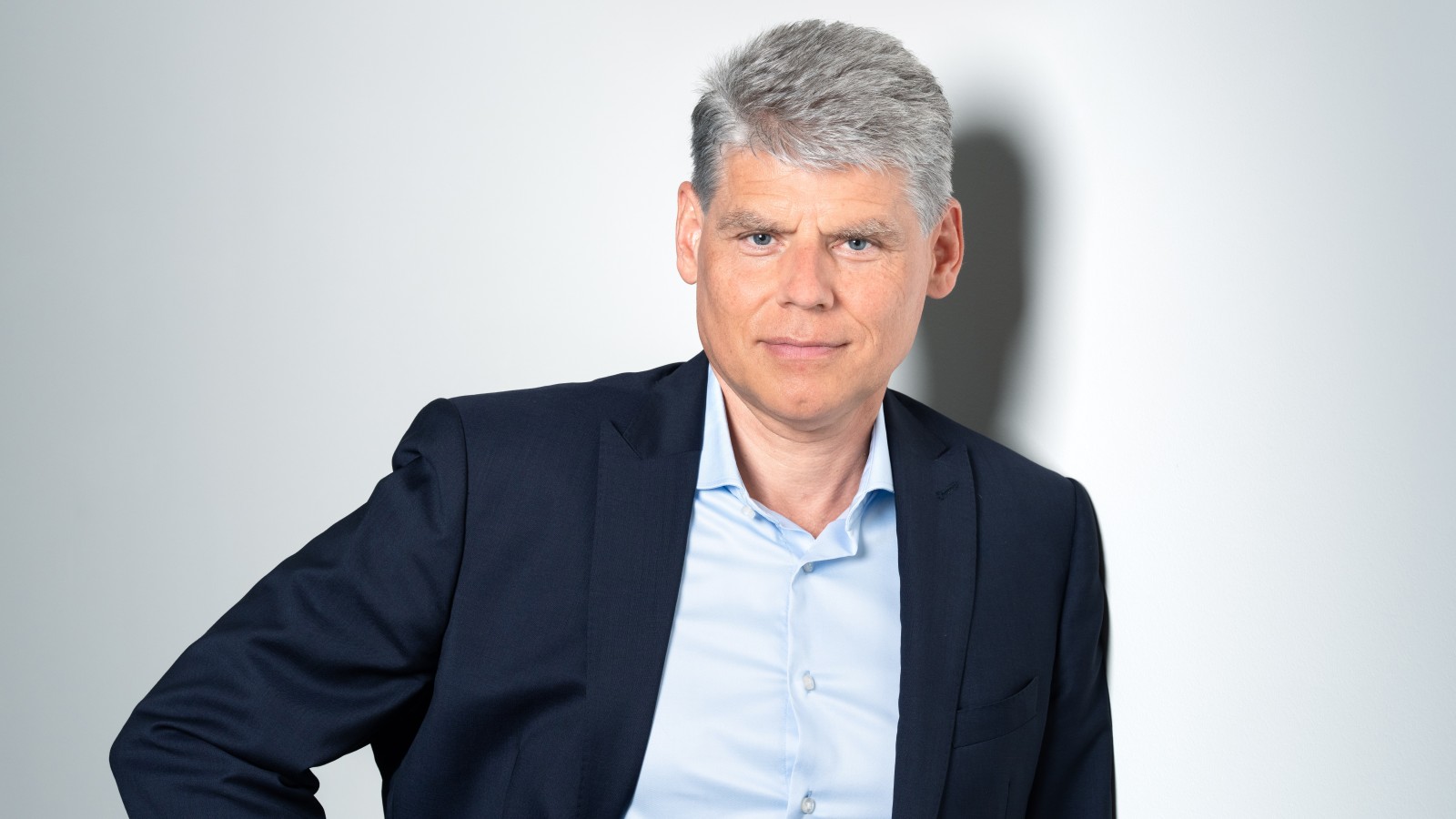
The company remains optimistic about the global economy and sees moderate to high growth at the level of recent years. “The foundation for profitable growth is our competitiveness – which is why we’re working hard to increase it further,” said Markus Forschner, CFO, Robert Bosch GmbH. “This strengthens our resilience in the face of upcoming challenges and at the same time boosts our investment capacity for the future. Competitiveness is the foundation for profitable growth – it secures our investments for the future,” he added.
In light of strategic opportunities and as a financial precaution, Bosch is expanding its scope accordingly. This strategy will ensure that the company will be able to issue financial instruments such as bonds more flexibly during the year. Also, for the first time, the company will publish interim consolidated financial statements and an interim group management report for the first half of the current business year. In this context, Forschner said, “This improves our ability to access the capital markets, even though we already have a strong capacity to finance our business from our own resources.”
Ensuring Growth Through Innovation and Differentiation
To achieve successful business development in an adverse global economic environment, the company aims to improve its future competitive position in the face of increasing price pressure. Hartung sees the expansion of innovation leadership as a key success factor for expanding business, particularly in the automotive market, and implementing the company’s Strategy 2030, which foresees Bosch being one of the three leading suppliers in its key markets.
Trade barriers and different user expectations are currently both a challenge and an opportunity for regionally adapted solutions. “In international competition, it’s not just about costs, but above all about differentiating ourselves,” Hartung said, referring to Bosch’s global footprint, which he sees as a competitive advantage. “We can adapt our offerings and supply chains to regional conditions and at the same time deliver global-level quality,” concludes Forschner.

