
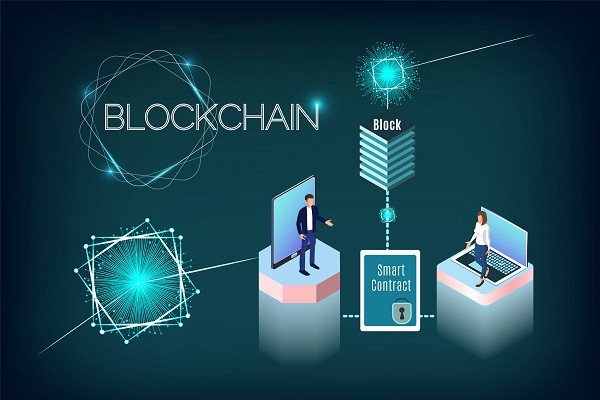
Gartner, Inc. predicts that by 2023, organizations using blockchain smart contracts will increase overall data quality by 50%, but reduce data availability by 30%.
“When an organization adopts blockchain smart contracts — whether externally imposed or voluntarily adopted — they benefit from the associated increase in data quality, which will increase by 50% by 2023,” said Lydia Clougherty Jones, senior research director at Gartner.



However governance frameworks for blockchain participation, or the terms and conditions within the smart contract, can dictate the availability of the data generated from the smart contract transaction, from none to limited to unlimited. “This variable could leave participants in a worse position than if they did not participate in the blockchain smart contract process. As such, an organization’s overall data asset availability would decrease by 30% by 2023,” added Ms. Clougherty Jones.
The net impact however, is a positive result for data and analytics (D&A) ROI. The impact of blockchain smart contract adoption on analytical decision making is profound. It enhances transparency, speed and granularity of decision making. It also improves the quality of decision making, as its continuous verification makes the data more accurate, reliable and trustworthy.
“Smart contracts are important and D&A leaders should focus on them because they promise a near certainty of trusted exchange. Once deployed, blockchain smart contracts are immutable and irrevocable through no modifiable code, which enforces a binding commitment to do or not do something in the future. Moreover, they eliminate third-party intermediaries (e.g., bankers, escrow agents, and lawyers) and their fees, as smart contracts, perform the intermediary functions automatically,” said Ms. Clougherty Jones.
Gartner analysts recommend D&A leaders pilot blockchain smart contracts now. Organizations should start deploying them to automate a simple business process, such as non-sensitive data distribution or a simple contract formation for contract performance or management purposes. Then organizations should engage with their affiliates and partners to pilot blockchain smart contracts to automate multiparty contracts within a well-defined ecosystem, such as banking and finance, real estate, insurance, utilities, and entertainment.
For more information, visit www.gartner.com

