

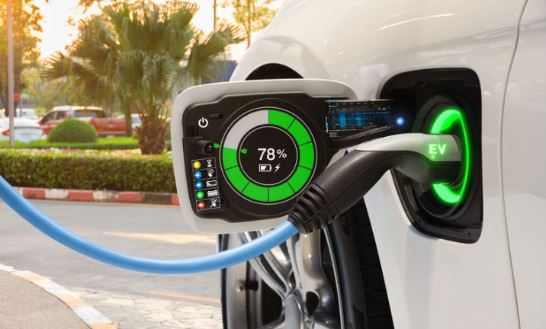
The Union Budget for 2022-23 was more on promoting electric vehicles, as a means of transportation in the country. In addition to existing financial incentives under the FAME-II scheme (Rs. 10,000 crores) to boost demand and the PLI Schemes for ACC (Rs. 18,100 crores) and the auto segment focused on EVs and other alternative energy technologies (Rs. 25,938 crores), the finance minister in the last year’s budget had announced plans to implement a battery swapping policy and formalize interoperability standards. While the Government of India is taking positive steps towards achieving its aim of having electric vehicle sales comprising 30% of private cars, 70% of commercial vehicles, and 80% of 2-3 wheelers, the upcoming Union Budget provides a good opportunity for the Government to further boost this space and provide space for growth. This year has already started with the big news of nearly Rs. 20,000 crores earmarked for the Green Hydrogen Mission. More is likely to flow in other areas including clean mobility and particularly electric vehicles (EV).
What can we expect from this year’s Budget on EVs?
Here are the quotes by Industry heads for the 2023 budget on e-vehicles

On Renewable energy Industries “With pressure on countries for climate action and India’s climate commitments of COP26 and COP27, India has been ramping up its efforts towards a greener and more sustainable economy. Industry experts are hoping to reap maximum benefits with the expectation of some tweaks in the tax implications in the upcoming budget. India has taken a Net Zero Pledge by 2070; therefore, it becomes important to have incentives to promote renewable energy, 2G ethanol, and flex-fuel hybrid vehicles and to create an Indian market for decarbonization (Carbon credits). The government has already approved an outlay of Rs. 19,744 Crores towards the National Green Hydrogen Mission, but to ensure access to low-cost capital for Renewable Energy, Battery Energy Storage Systems, and Green Hydrogen project development, the budget 2023 should take measures in line with other RE-focused regions and economies across the globe. The Industry is further looking at the inclusion of petroleum products in GST to reduce costs and offer incentives to OEMs and tax benefits to ESG Bond issuances. Another expectation from the Union Budget 2023-24 is the inclusion of the Power sector, Railway or Airport redevelopment under Section 35AD as a specified business, wherein specific businesses can claim a tax deduction on their capital expenditure.”


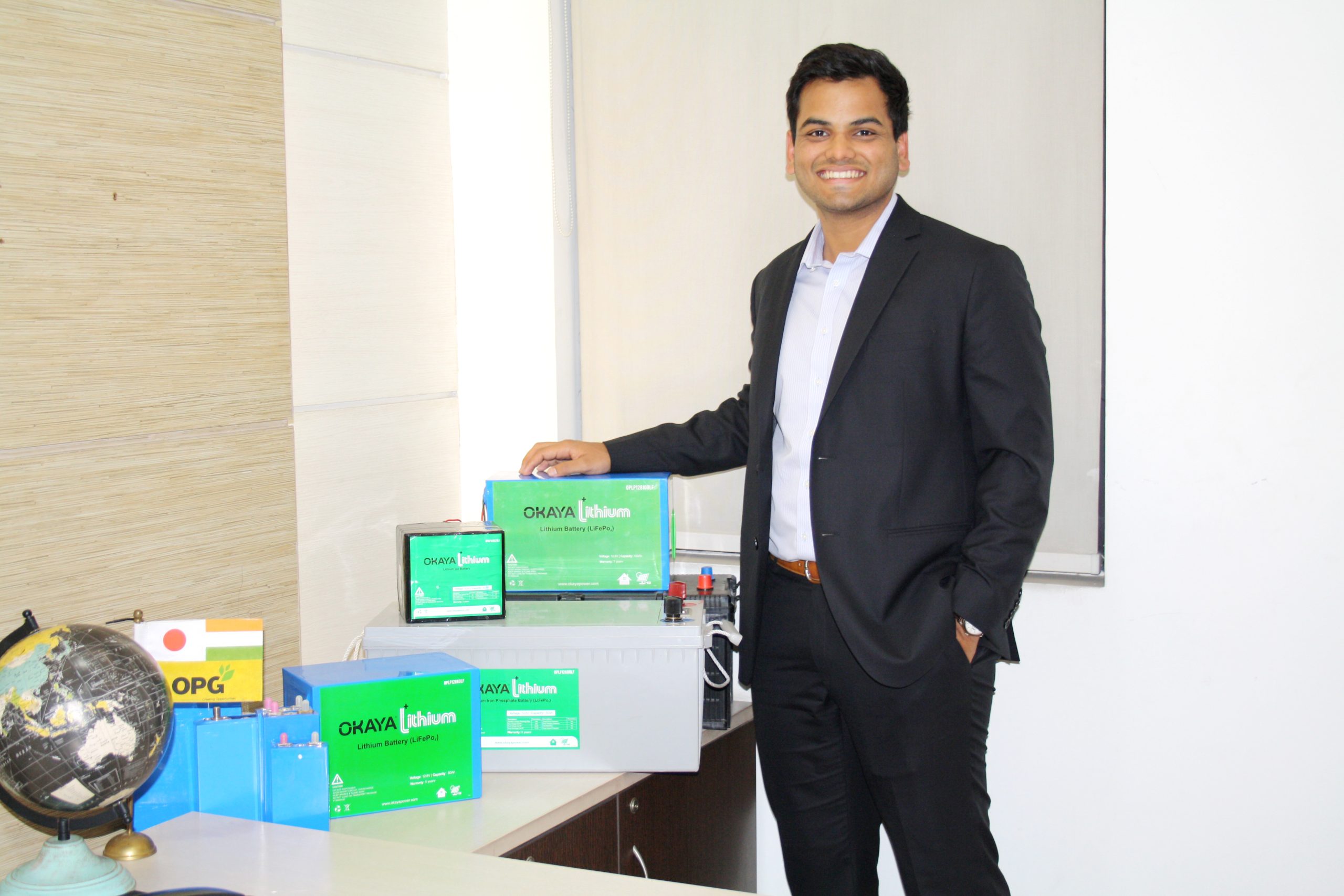
“As the country looks towards Budget 2023, we trust that the electric vehicle sector has the potential to play a major role in driving economic growth and development. We are expecting the policymakers to take steps to make EVs more affordable and accessible to the public, such as by lowering GST rates on EV spare parts and reducing input GST on EV OEMs. We also hope that the government will continue to extend support for the development of the EV sector. We believe that these measures will help to drive the widespread adoption of this clean and sustainable mode of transportation.”

“The central theme of Budget 2023 will be to boost Indian manufacturing. Increasing manufacturing is the best way for the country to attract investment and increase its forex reserves. To encourage manufacturing, aka. Make in India; the government must provide subsidies and fiscal stimulus to the private sector. The reduction of corporate taxes and implementation of various PLI programs have boosted domestic manufacturing; however, the industry now needs a boost with additional Make in India plans and incentives for electronics manufacturers. PLI initiatives will be expanded to attract more private investment and participation in the industry. For indigenous production to continue perpetually, self-reliance on the required state-of-the-art technologies must be a key focus area. Being self-sufficient would imply manufacturing complete platforms, expanding in-house R&D capabilities, and so on. Increased budgetary allocations for R&D are required. Furthermore, some weighted deductions on R&D expenditure and tax breaks for industry players may prove to be drivers of the Indian manufacturing ecosystem. The industrial sector requires tax breaks and simplified legal procedures. Unnecessary legislation should be phased out, and compliance should be simplified. This will boost trust and confidence between the private and public sectors.”

“The Indian government has made commendable efforts towards the proliferation of EV charging as well as rooftop solar. However, Niti Aayog reported that India needs 3.9 million EV charging stations by 2030, which is much more than what current policies plan for. Moreover, the country fell short of its 2022 rooftop solar target by 81.2%. The reason behind this is simply that EV charging in India, along with rooftop solar, is not attractive to business owners because it is not profitable. To achieve profitability, the government’s EV charging and rooftop solar efforts must be combined. Our projects confirmed rooftop solar-powered EV chargers ensure profitability while simultaneously reducing the solar payback period. Furthermore, these chargers must be integrated with a carbon trading system that aggregates carbon credits for monetization; this will open up a carbon trading market of $10 billion and allow businesses to add another revenue stream. It is essential that the 2023 budget comprises policies focused on carbon credit-enabled rooftop solar-powered EV charging. Keeping in line with India’s ambitious net-zero goals, this three-pronged system will ensure a thriving EV charging industry in the country.”
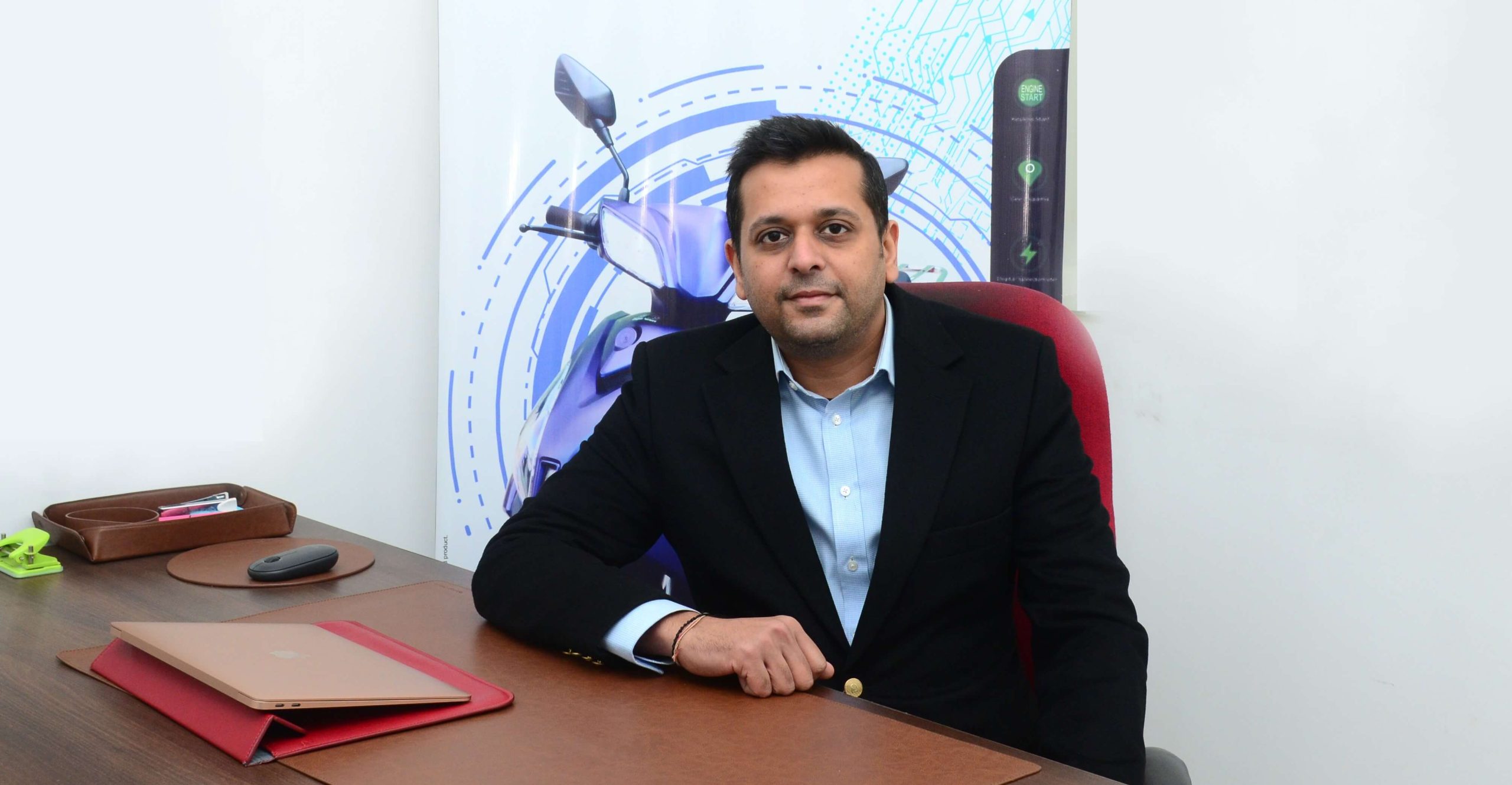
“Even when the EV sales have doubled in the last year, the industry still suffers from higher initial ownership costs of EVs, which is a direct result of higher input costs. We hope the upcoming budget will reduce GST on raw materials/components, thereby accelerating India’s EV race. Because battery manufacturing in India relies heavily on imports, some duty relief could help reduce overall costs. EVs have fewer financing options and higher interest rates than ICE vehicles. The EV industry is hoping for a positive outcome from the government’s meeting with the World Bank. Aside from the PLI expansion, other state government programs such as GEDA and central government initiatives such as “Atmanirbhar Bharat” would undoubtedly benefit.”

