
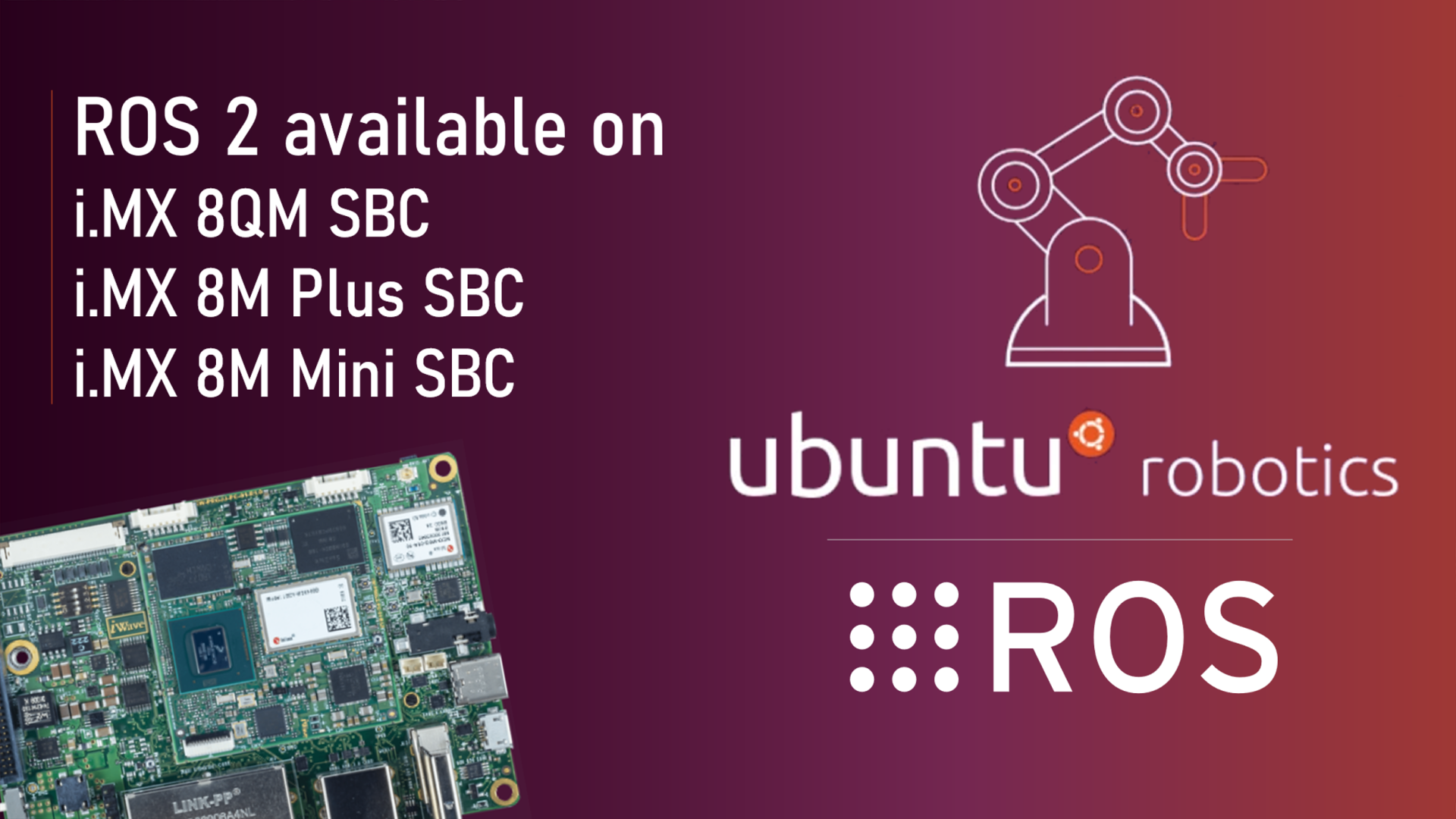
ROS is an open-source robot meta-operating system. It performs operating-system-like functions such as hardware abstraction, low-level device control, implementation of commonly-used functionality, message passing between processes, and package management. ROS also includes tools and libraries for acquiring, constructing, writing, and running code across multiple computers.
Ubuntu has been the primary platform for ROS from the very beginning, and ROS/ROS 2 distribution will change based on the Ubuntu version. ROS 2 on Ubuntu 20.04 is now available on the iWave’s portfolio of Single Board Computers powered by i.MX8QM, i.MX8M Mini, and i.MX8M Plus Applications Processor.




SBCs support all necessary interface connectors like Gigabit Ethernet, USB 2.0 & USB 3.0 connectors, PCIe ports to provide immense flexibility and adaptability for a variety of applications. Along with this, SBCs also comes with on board HDMI 2.0, MIPI CSI & MIPI DSI connectors, LVDS ports, and audio jack making them ideally suited for specific video or single processing applications.
Key features of ROS 2
ROS 2 provides developers across industries with a standard software platform that will take them from research and prototyping to deployment and production. ROS 2 builds on the success of ROS 1, which is used in a wide range of robotics applications around the world today.
ROS provides functionality for hardware abstraction, device drivers, communication between processes over multiple machines, tools for testing and visualization, and much more. ROS is a software runtime and communication protocol that allows you to design complex software without knowing how specific hardware works.
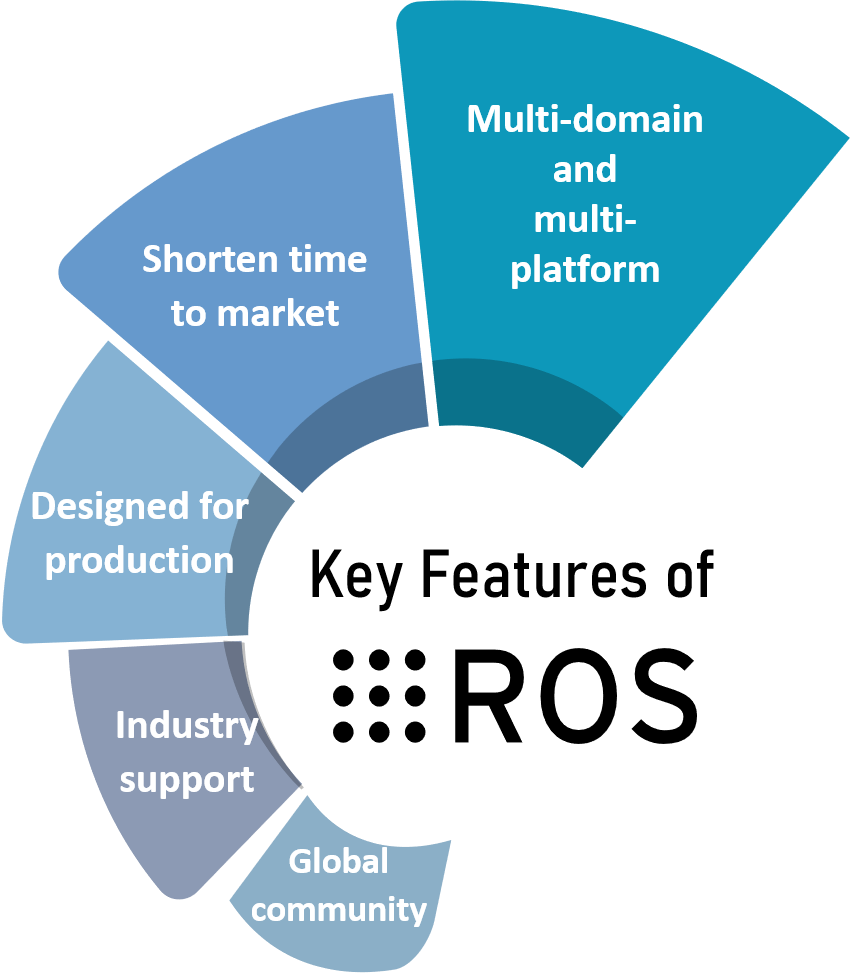
- Multi-domain and multi-platform
ROS 2 is ready for use across an extensive range of robotics applications, ranging from indoor to outdoor, home to automotive, underwater to space, and consumer to industrial.
The ROS 2 platform runs on Linux, Windows, and macOS, allowing developers to seamlessly deploy on-robot autonomy, back-end management, and user interfaces. The tiered support model enables the introduction and promotion of ports to new platforms, such as real-time and embedded operating systems, as they gain interest and investment.
- Shorten time to market
ROS 2 includes the robotics tools, libraries, and capabilities needed to create applications. Because it is open source, you have the flexibility to decide where and how to use ROS 2, as well as the freedom to customize it for your needs.
- Designed for production
With a decade of experience establishing ROS 1 as the global standard for robotics Research and Development, ROS 2 was designed from the ground up to be industry-grade and used in production.
- Industry support
As demonstrated by the ROS 2 Technical Steering Committee, there is strong industry support for ROS 2. Companies large and small from around the world are committing their resources to make open-source contributions to ROS 2, in addition to developing products on top.
- Global community
Over 10+ years, the ROS project has produced a vast ecosystem of software for robotics by nurturing a global community of hundreds of thousands of developers and users who contribute to and improve that software. ROS 2 is being developed by and for the community that will be its stewards in the future.
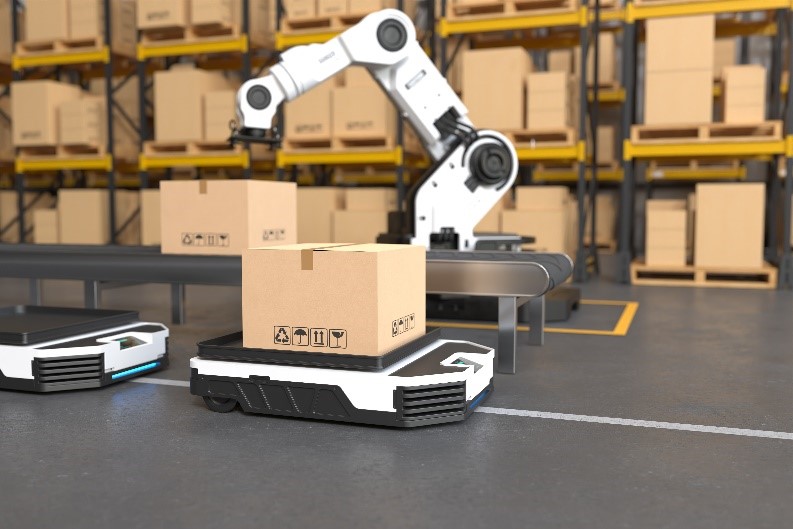
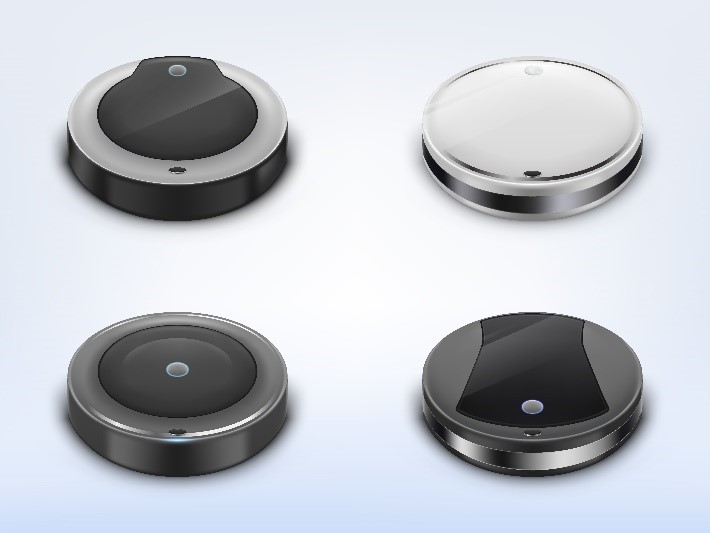
Some of the most well-known names in robotics have adopted ROS. ROS applications are widespread, from agriculture to medical devices to vacuum cleaners but are growing to include all kinds of automation and dynamic use cases.
ROS is built with cross-collaboration in mind. The base code and knowledge can be applied to any robotics platform (drones, arms, mobile bases, etc.). You will no longer have to reinvent the wheel because you will be able to reuse what you already know.
There is a ROS package for everything, whether you want to compute trajectory, run SLAM algorithms, or implement remote control. ROS supports digital twinning, which enables developers to easily simulate their robot in any environment before deploying it in the real world. Tools like Gazebo even let you create simulations with robots you don’t own.
ROS was designed in such a way that small embedded platforms, including “bare-metal” microcontrollers, can participate in the ROS environment as first-class participants rather than being separated from it by a device driver.

