
HomeNewsIndia NewsMetal-polymer hybrid used to create flexible electronics circuits

    Metal-polymer hybrid used to create flexible electronics circuits

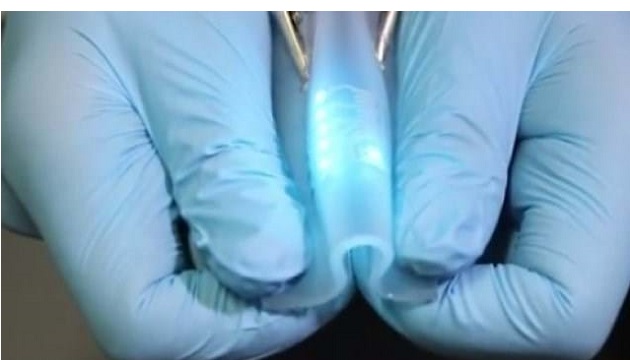
    A HYBRID conductive material has been developed for flexible electronic circuits by combining elastic polymers and liquid metal.

    Developing robust flexible electronics is important for creating biocompatible technology that can be used for devices such as wearable sensors. However, most stretchable conductors currently used in flexible electronics are either toxic, costly, or break easily. Researchers in China have now developed a new conductor which is non-toxic, easily stretchable, and durable.


    The hybrid material is called a metal-polymer conductor (MPC). The liquid metals, gallium and indium, allow electricity to flow, and the embedded network of silicon-based polymers makes the material mechanically resilient. The MPCs also have a much lower cost compared to silver-based flexible electronics, and have the potential to be mass-manufactured.

    “These are the first flexible electronics that are at once highly conductive and stretchable, fully biocompatible, and able to be fabricated conveniently across size scales with micro-feature precision,” said senior author Xingyu Jiang, a Professor at the National Center for Nanoscience and Technology in China. “We believe that they will have broad applications for both wearable electronics and implantable devices”, he added.

    The researchers can create any 2D pattern of MPC on most substrates in high resolution and the MPCs can have different thicknesses and conductivity, which can lead to a wide range of applications. The technology was tested in wearable keyboard gloves and in electrodes for stimulating the passage of DNA through the membranes of live cells.

    “We wanted to develop biocompatible materials that could be used to build wearable or implantable devices for diagnosing and treating disease without compromising quality of life, and we believe that this is a first step toward changing the way that cardiovascular diseases and other afflictions are managed,” added Jiang.

    ELE Times Research Desk
    ELE Times Research Deskhttps://www.eletimes.ai
    ELE Times provides a comprehensive global coverage of Electronics, Technology and the Market. In addition to providing in depth articles, ELE Times attracts the industry’s largest, qualified and highly engaged audiences, who appreciate our timely, relevant content and popular formats. ELE Times helps you build awareness, drive traffic, communicate your offerings to right audience, generate leads and sell your products better.

    LEAVE A REPLY

    Please enter your comment!
    Please enter your name here

    Related News

    Must Read

    Optimized analog front-end design for edge AI

    Courtesy: Avnet Key Takeaways: 01.   AI models see data differently: what...

    Introducing Wi-Fi 8: The Next Boost for the Wireless AI Edge

    Courtesy: Broadcom Wi-Fi 8 has officially arrived—and it marks a...

    Vehicle to Grid (V2G) Charging in EVs: Understanding the Basics

    Much of the research around emerging technologies in Electric...

    Asia-Pacific Takes the Lead in AI Adoption Across Manufacturing

    Courtesy: Rockwell Automation Manufacturing around the world has undergone a...

    STMicroelectronics streamlines smart-home device integration with industry-first Matter NFC chip

    STMicroelectronics has unveiled a secure NFC chip designed to...

    Mitsubishi Electric India to Showcase Breakthrough Power Semiconductor Technologies at PCIM India 2025

    Mitsubishi Electric India, is set to introduce its flagship...

    ASMPT Wins New Orders for Nineteen Chip-to-Substrate TCB Tools to Serve AI Chip Market

    ASMPT announced it had won new orders for 19...

    Microchip Halves the Power Required to Measure How Much Power Portable Devices Consume

    Battery-operated devices and energy-restricted applications must track and monitor...

