
HomeTechnologyAviation Aerospace and DefenceIndia Develops New Propulsion Technology to Boost Endurance of Submarines

    India Develops New Propulsion Technology to Boost Endurance of Submarines

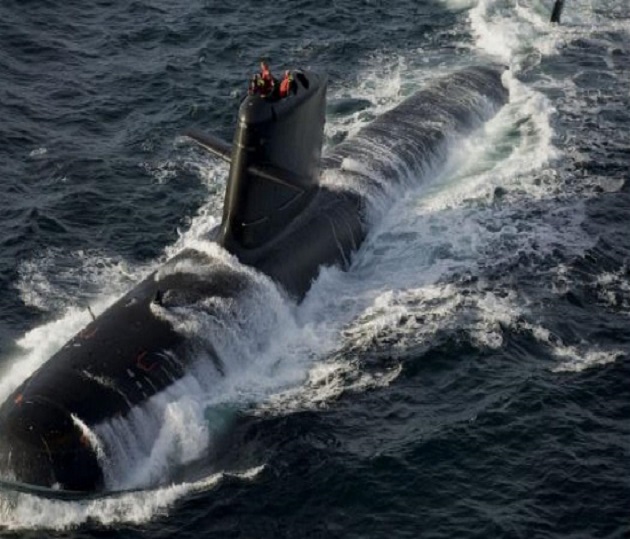
    India has moved a step nearer to having its conventional diesel-electric submarines outfitted with Air-Independent Propulsion (AIP) technology, which is able to improve their underwater endurance and stealth, even as the third Scorpene submarine is all set to be commissioned at Mumbai.

    The DRDO said it had achieved “An important milestone” within the growth of the indigenous AIP system by proving its land-based prototype. Developed by the Naval Materials Research Laboratory (NMRL) of DRDO with the help of trade companions L&T and Thermax, the AIP system was operated in endurance mode for 14 days and most energy mode for 2 days.


    The 270-kW gasoline cell-based AIP system will start to be progressively retrofitted on the Scorpene submarines, which is able to contain including an extra hull part to every boat after the primary one comes for upkeep and refit improve after 2023-2024. There are a few concerns on the large delay within the AIP mission, which was initially slated for completion by June 2017 after being sanctioned in 2014 with a preliminary value of Rs 270 crore.

    Unlike nuclear submarines, which have just about limitless underwater endurance, diesel-electric boats have to floor or snorkel few days to get oxygen to recharge their lead-acid batteries. But these fitted with AIP can keep submerged for longer durations to considerably boost their stealth and fight capabilities.

    Some nations like Japan, nonetheless, are already transferring in direction of excessive capability lithium-ion batteries to ultimately exchange AIP techniques for his or her conventional submarines. The US, of course, operates solely nuclear-powered submarines.

    The DRDO, on its half, mentioned that whereas there are different types of AIP techniques being pursued internationally, the gasoline cell-based one of NMRL is “unique” because the hydrogen is generated onboard. “The AIP system has now reached the stage of maturity for fitment into target vessels,” mentioned an official.

    ELE Times Research Desk
    ELE Times Research Deskhttps://www.eletimes.ai
    ELE Times provides extensive global coverage of Electronics, Technology and the Market. In addition to providing in-depth articles, ELE Times attracts the industry’s largest, qualified and highly engaged audiences, who appreciate our timely, relevant content and popular formats. ELE Times helps you build experience, drive traffic, communicate your contributions to the right audience, generate leads and market your products favourably.

    Related News

    Must Read

    Optimized analog front-end design for edge AI

    Courtesy: Avnet Key Takeaways: 01.   AI models see data differently: what...

    Introducing Wi-Fi 8: The Next Boost for the Wireless AI Edge

    Courtesy: Broadcom Wi-Fi 8 has officially arrived—and it marks a...

    Vehicle to Grid (V2G) Charging in EVs: Understanding the Basics

    Much of the research around emerging technologies in Electric...

    Asia-Pacific Takes the Lead in AI Adoption Across Manufacturing

    Courtesy: Rockwell Automation Manufacturing around the world has undergone a...

    STMicroelectronics streamlines smart-home device integration with industry-first Matter NFC chip

    STMicroelectronics has unveiled a secure NFC chip designed to...

    Mitsubishi Electric India to Showcase Breakthrough Power Semiconductor Technologies at PCIM India 2025

    Mitsubishi Electric India, is set to introduce its flagship...

    ASMPT Wins New Orders for Nineteen Chip-to-Substrate TCB Tools to Serve AI Chip Market

    ASMPT announced it had won new orders for 19...

    Microchip Halves the Power Required to Measure How Much Power Portable Devices Consume

    Battery-operated devices and energy-restricted applications must track and monitor...

