HomeElectronicsBattery and Energy StorageProLogium Unveils New Electrolyte Architecture to Advance Ultra-Fast-Charging EV Batteries

ProLogium Unveils New Electrolyte Architecture to Advance Ultra-Fast-Charging EV Batteries

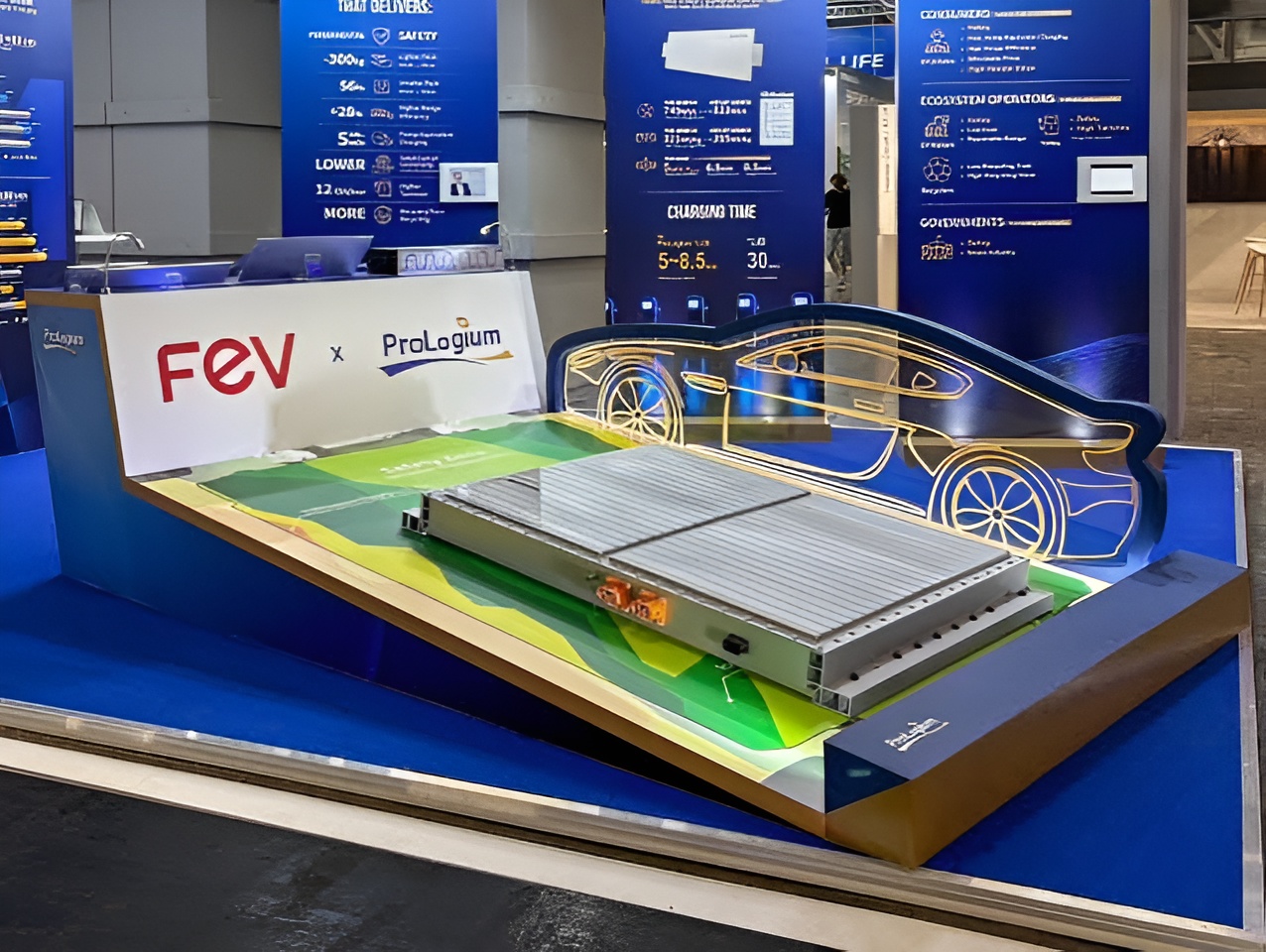
​Battery technology plays a central role in describing the performance and driving range of an electric vehicle. The more advanced and efficient the battery technology, the better the overall performance of an electric vehicle will be. With advancements in battery technology over time, ProLogium, a battery developer company has officially announced its Dynamic Coordination Network (DCN) electrolyte architecture for its next-generation GEN4 battery technology.

The purpose of introducing this technology is to showcase advancement in electrolyte design, combining characteristics of liquid and solid electrolytes. The company aims to address key challenges in next-generation batteries such as charging speed, ion transport and battery performance.


DCN Electrolyte Architecture Targets Faster Charging

Electrolyte is a key factor in battery technology, determining how well the battery works, how long it lasts, and how safe it is. It enables lithium ions to move between positive and negative electrodes during charging and discharging. The physical and chemical properties of an electrolyte such ionic conductivity, viscosity, transference number, electrochemical stability window, and solid electrolyte Interphase (SEI) influence charging performance, energy efficiency and battery operation.

The role of ProLogium’s DCN architecture is the coordination of lithium ions within the electrolyte, aiming to improve ion transport and support fast charging in its next-generation battery technology.

As per the company’s report on internal test results, the battery can charge from 5% to 80% in 6.4 minutes. This figure is from the company’s end and should not be considered as independent verification of performance on a production electric vehicle. Charging time in real-life scenarios depends on many factors like battery temperature, charger capacity, cell design, and the battery management system.

ELE Times Research Desk
ELE Times Research Deskhttps://www.eletimes.ai
ELE Times provides extensive global coverage of Electronics, Technology and the Market. In addition to providing in-depth articles, ELE Times attracts the industry’s largest, qualified and highly engaged audiences, who appreciate our timely, relevant content and popular formats. ELE Times helps you build experience, drive traffic, communicate your contributions to the right audience, generate leads and market your products favourably.

Related News

Must Read

RWTH Aachen Develops Scalable Manufacturing Technology for Multilayer EV Battery Electrodes

​Multilayer electrodes combine different electrode layers with varying material...

Keysight Introduces Velocity 4900 Series to Accelerate Test Lab Modernization for AI and 6G

Keysight Technologies, today announced the Keysight Velocity 4900 Series,...

Raytheon Secures Up to $6.3 Billion Contract for SM-3 Block IB Interceptors

Five-year agreement aims to expand production and sustainment of...

Dutch AI Firm Intelic Develops Software to Coordinate Ukraine’s Drone Defences

Nexus software connects radar, sensors and drone systems to...

Indian Navy Receives Military-Grade Underwater ROV Systems from EyeROV

Indigenous underwater robotics strengthens inspection, reconnaissance and maritime infrastructure-support...

ideaForge Launches ZOLT Hybrid and UCAV Variants for Tactical Missions

New unmanned aircraft expand the Indian company’s portfolio across...

DRDO Tests High-Altitude Platform, Advancing India’s Persistent Surveillance Capabilities

Indigenous lighter-than-air system reaches 21 km altitude during flight...

Emerson Extends RF Test Capabilities to New Multiport and MIMO Test Applications

Global automation leader Emerson today announced new radio frequency...

Top 10 AI Agent Frameworks for Developers in 2026

​AI is no longer just creating chatbots; now it...