

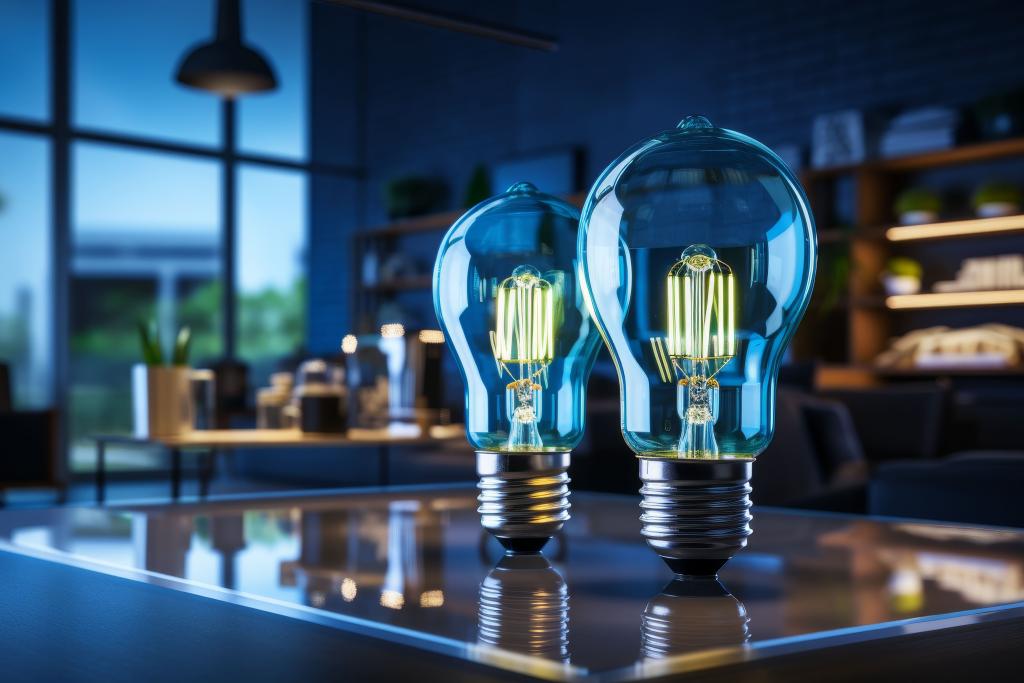
LED (Light Emitting Diode) lighting is a lighting technology that utilizes semiconductors to transform electrical energy into visible light. LEDs are highly efficient, durable, and versatile, making them suitable for a wide range of applications, from home lighting to industrial and automotive use.
History of LED Lighting



- 1907: H.J. Round first observed electroluminescence in silicon carbide, which became a foundational discovery for the development of LED technology.
- 1962: Nick Holonyak Jr., working at General Electric, created the first visible-spectrum LED (red).
- 1970s: LED technology expanded with additional colors like green and yellow, though applications were limited to indicators and displays.
- 1990s: Blue LEDs were developed by Shuji Nakamura, enabling the creation of white LEDs by combining blue light with phosphor coatings.
- 2000s: LEDs began to replace traditional incandescent and fluorescent lighting in many applications due to advances in efficiency, color rendering, and cost.
- Today: LEDs dominate the lighting industry with widespread applications, from smart home systems to streetlights and displays.
Types of LED Lighting
- Miniature LEDs
- Used in indicators, displays, and small electronics.
- High-Power LEDs
- Brighter and used in high-intensity applications like floodlights and automotive headlights.
- RGB LEDs
- Combine red, green, and blue LEDs to produce various colors; used in displays and decorative lighting.
- COB LEDs (Chip on Board)
- Provide high brightness and even light distribution; common in spotlights and downlights.
- SMD LEDs (Surface-Mounted Diodes)
- Compact and versatile; widely used in strip lighting and general-purpose lighting.
- Filament LEDs
- Mimic traditional filament bulbs; used for decorative lighting.
How Does LED Lighting Work?
- Semiconductor Materials: LEDs use a semiconductor (typically gallium arsenide or gallium nitride).
- Electric Current: When electricity flows through the diode, electrons combine with holes in the semiconductor material, releasing energy in the form of photons (light).
- Phosphor Coating: For white light, a blue LED is coated with a phosphor material to convert blue light into white light.
Applications of LED Lighting
- Residential: General lighting, decorative lighting, and smart home systems.
- Commercial: Office spaces, retail displays, and signage.
- Industrial: Factory lighting, warehouse illumination, and hazardous environments.
- Automotive: Headlights, interior lighting, and brake lights,
- Street Lighting: Energy-efficient public lighting systems.
- Displays: TVs, monitors, and large digital billboards.
- Medical: Surgical lighting and diagnostic devices.
How to Use LED Lighting
- Select the Right Type: Choose LEDs based on brightness (lumens), color temperature (warm, cool, or daylight), and beam angle.
- Install Proper Fixtures: Use fixtures designed for LEDs to ensure optimal performance and longevity.
- Control Options: Utilize dimmers, smart systems, or RGB controllers for customized lighting.
- Placement: Position LEDs effectively to reduce glare and enhance the desired ambiance.
Advantages of LED Lighting
- Energy Efficiency: LEDs consume up to 80% less power compared to traditional incandescent bulbs.
- Long Lifespan: Can last 25,000–50,000 hours, significantly longer than traditional lighting.
- Durability: Resistant to shocks, vibrations, and extreme temperatures.
- Eco-Friendly: Contains no toxic materials like mercury and emits less heat.
- Design Flexibility: Available in various shapes, colours, and sizes.
- Instant Illumination: LEDs turn on immediately without any warm-up period.
- Dimmable and Controllable: Many LEDs support dimming and integration into smart lighting systems.
Disadvantages of LED Lighting
- Higher Upfront Cost: LEDs are more expensive initially compared to traditional lighting.
- Heat Sensitivity: Performance can degrade if not properly cooled.
- Color Rendering: Some cheaper LEDs may have lower color rendering accuracy.
- Blue Light Concerns: Excessive blue light exposure from LEDs may cause eye strain or disrupt sleep cycles.
- Compatibility Issues: May not work well with older dimmers or fixtures without modifications.

