
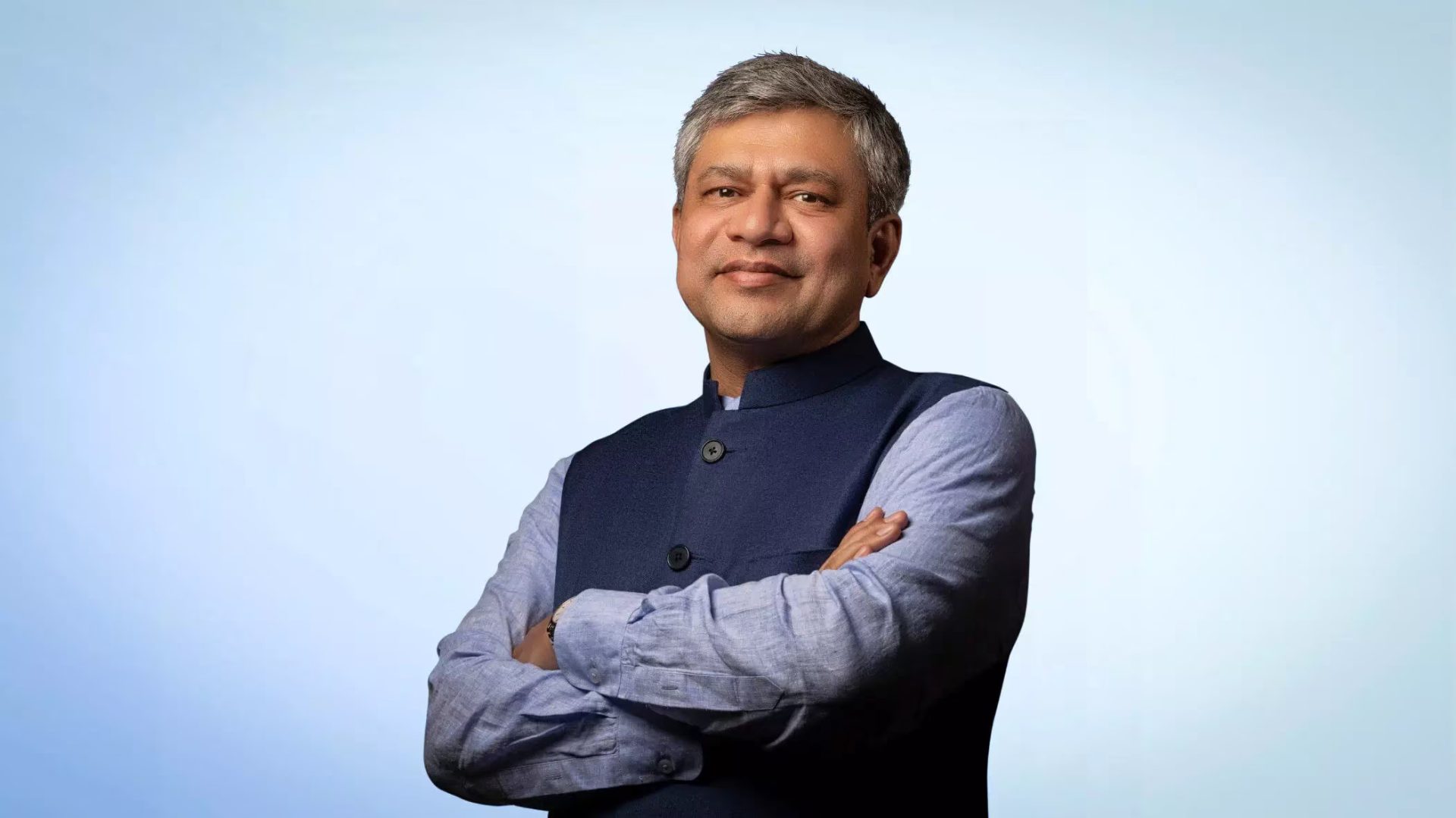
New Delhi, 30th March 2026: India Cellular & Electronics Association (ICEA) hosted a landmark industry event to mark the 4th tranche of approvals, in the presence of Shri Ashwini Vaishnaw, Hon’ble Union Minister of Electronics & IT, reaffirming the Government’s commitment to building a globally competitive electronics ecosystem.
MeitY expeditiously cleared 29 more applications under the Electronics Component Manufacturing Scheme (ECMS), accelerating India’s electronics momentum and signaling a decisive shift towards deeper value addition and integrated supply chains.




These approvals mark a structural shift. India’s component level capabilities are growing rapidly, which will determine value capture, resilience, and long-term competitiveness.
With the fresh approvals under the 4th tranche, 75 applications have been approved under the scheme which are expected to attract cumulative investments of approximately ₹7,100 crore, further building scale and depth and further generate 14,000 jobs. With this, the total investments by the approved applicants under the scheme have reached to more than ₹61,000 crore.
The approvals under the 4th tranche have been granted to a mix of leading global and domestic players, including prominent names such as Munoth Lithium Battery, Vishay Components, TDK India, VVDN Technologies, Molex India, Amphenol FCI, Syrma Strategic, Dixon Display, Lohum Cleantech, Titan Engineering, and O/E/N India, among others.
Notably, this tranche marks the first-time inclusion of several critical and emerging component categories under ECMS, including Rare Earth Permanent Magnets, Flexible Printed Circuit Boards (Flexible PCBs), and Metallised Films for Capacitors. These additions significantly deepen India’s capabilities in upstream and high-value components, while also addressing strategic gaps in the electronics value chain.
ECMS also addresses a key gap in the value chain by enabling upstream capabilities, allowing India to capture higher value and integrate more deeply into global supply networks. This becomes particularly critical as India advances towards the Hon’ble Prime Minister’s vision of building a $500 billion electronics manufacturing ecosystem, where scale must be matched with depth and capability. The scheme has attracted strong participation from both global and domestic players, reflecting India’s growing credibility as a trusted manufacturing destination.
The event was also attended by Shri S. Krishnan, Secretary, MeitY, and Shri Sushil Pal, Joint Secretary, MeitY, highlighting the Government’s focus on speed, scale, and effective execution.
Shri Ashwini Vaishnaw, Hon’ble Union Minister of Electronics and IT, stated: “India is decisively moving up the electronics value chain. With ECMS, we are not just expanding manufacturing, we are building core component capabilities that will define global competitiveness. These approvals reflect our commitment to scale, quality, and technological leadership, and will firmly position India as a trusted hub for advanced electronics manufacturing.”
The minister also reiterated that the industry should work on building indigenous design capabilities, achieving Six Sigma standards, workforce training, and local sourcing.
Shri S. Krishnan, Secretary, Ministry of Electronics & IT, said: “ECMS is driving a structural transformation in India’s electronics ecosystem. With each tranche, we are systematically closing critical gaps in the value chain, enabling higher domestic value addition and building a future-ready, resilient manufacturing base.”
Shri Pankaj Mohindroo, Chairman, India Cellular & Electronics Association (ICEA), said: “We sincerely thank the Hon’ble Minister for enhancing the outlay under the Electronics Component Manufacturing Scheme (ECMS), which reflects the Government’s strong commitment to building a robust electronics ecosystem in India. A calibrated reopening of the scheme will be important to further build critical component capabilities and deepen domestic value addition.
Mr. Mohindroo affirmed that ICEA will work in close coordination with industry stakeholders to deliver on the Hon’ble Minister’s vision through a focused and integrated approach to building a strong indigenous design ecosystem, achieving global quality standards, and advancing self-reliance in electronics manufacturing. “Industry must rise to this opportunity with a renewed sense of purpose and scale. With sustained policy support and a clear strategic direction, we are confident of creating a globally competitive and resilient components ecosystem that will decisively accelerate India’s emergence as a leading electronics manufacturing hub,” he stated.
ICEA is also committed to organise buyer-seller meets on regular basis to facilitate sourcing needs of the industry as strengthening local sourcing is critical to building a resilient and globally competitive electronics manufacturing ecosystem. It will further enable the development of indigenous capabilities across the value chain, from components to design. A strong local sourcing framework will be instrumental in positioning India as a trusted global manufacturing hub.
ECMS has emerged as a cornerstone of India’s electronics strategy as it is enabling the transition from a high growth market to a globally competitive, resilient, and innovation driven manufacturing hub, positioning India as a key player in global value chains.The event concluded on a strong note, reinforcing the shared commitment between government and industry to accelerate India’s transition from a high growth electronics market to a global manufacturing leader.

