

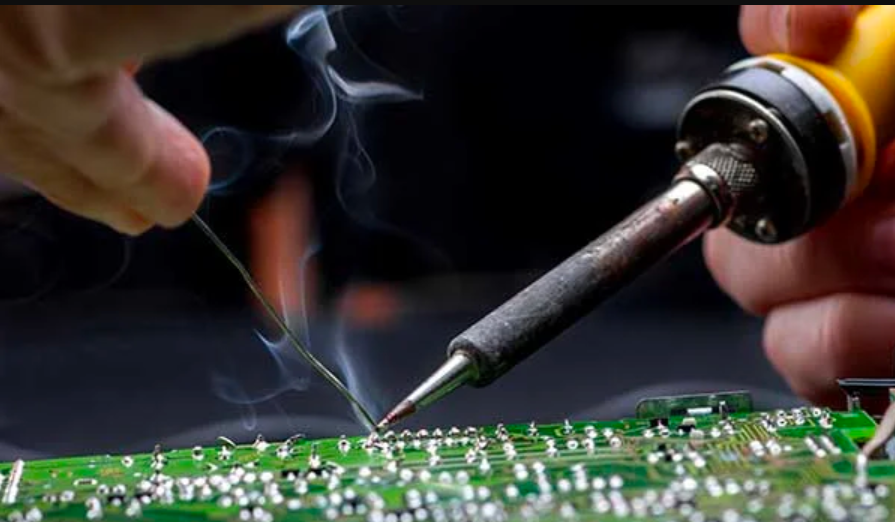
Soft soldering is a popular technique in metal joining, known for its simplicity and versatility. It involves the use of a low-melting-point alloy to bond two or more metal surfaces. The process is widely used in electronics, plumbing, and crafting due to its ease of application and the reliability of the joints it produces.
What is Soft Soldering?
Soft soldering refers to the process of joining metals using a filler material, known as solder, that melts and flows at temperatures below 450°C (842°F). Unlike brazing or welding, the base metals are not melted during this process. The bond is achieved by the solder adhering to the surface of the base metals, which must be clean and properly prepared to ensure a strong joint.



The solder typically consists of tin-lead alloys, although lead-free alternatives are now common due to health and environmental concerns. Flux is often used alongside solder to remove oxides from the metal surfaces, promoting better adhesion and preventing oxidation during heating.
How Soft Soldering Works
Soft soldering is a straightforward process that follows these basic steps:
- Preparation:
- Clean the surfaces to be joined by removing dirt, grease, and oxidation. This can be done using sandpaper, a wire brush, or chemical cleaners.
- Apply flux to the cleaned surfaces to prevent oxidation during heating and enhance solder flow.
- Heating:
- Utilize a soldering iron, soldering gun, or any appropriate heat source to warm the joint. Make sure the temperature is adequate to liquefy the solder while keeping the base metals intact.
- Application of Solder:
- After heating the joint, introduce the solder to the targeted area. The solder will melt and flow into the joint by capillary action, creating a strong bond upon cooling.
- Cooling:
- Let the joint cool down gradually without being disturbed. This ensures the integrity of the bond and prevents the formation of weak spots.
Soft Soldering Process
1. Tools and Materials
The essential tools and materials for soft soldering include:
- Soldering iron or gun
- Solder (tin-lead or lead-free)
- Flux
- Cleaning tools (e.g., sandpaper, wire brush)
- Heat-resistant work surface
2. Detailed Steps
- Surface Preparation: Clean the metal surfaces thoroughly. Apply flux to prevent oxidation and enhance solder adherence.
- Preheating: Warm the area to ensure uniform heating and improve solder flow.
- Solder Application: Melt the solder onto the heated joint, ensuring it flows evenly.
- Inspection: Examine the joint for uniformity and proper adhesion.
- Cleanup: Remove excess flux residue to prevent corrosion.
Uses and Applications
Soft soldering is widely employed in various industries and applications, including:
- Electronics:
- Circuit board assembly
- Wire connections
- Repair of electrical components
- Plumbing:
- Joining copper pipes
- Creating watertight seals in plumbing joints for water supply systems
- Jewellery Making:
- Crafting and repairing delicate metal items
- Arts and Crafts:
- Creating stained glass
- Assembling small metal models
- Automotive Repairs:
- Fixing radiators and other small components
Advantages of Soft Soldering
- Ease of Use: The process is simple and does not require extensive training.
- Low Temperature: Operates at lower temperatures, reducing the risk of damaging components.
- Versatility: Capable of accommodating diverse materials and a variety of applications..
- Cost-Effective: Requires minimal equipment and materials.
- Repairability: Joints can be easily reworked or repaired.
Disadvantages of Soft Soldering
- Weak Joint Strength: The bond is not as strong as those produced by welding or brazing.
- Temperature Limitations: Joints may fail under high temperatures.
- Toxicity: Lead-based solders pose health risks, necessitating the use of proper ventilation and safety measures.
- Corrosion Risk: Residual flux can lead to corrosion if not cleaned properly.
- Limited Material Compatibility: Not suitable for all types of metals, especially those with high melting points.
Conclusion
Soft soldering remains a valuable technique for joining metals in numerous applications, particularly where ease of use and low-temperature operation are essential. Its advantages make it ideal for delicate tasks in electronics, plumbing, and crafting, while its limitations must be considered when high strength or temperature resistance is required. With advancements in soldering materials and techniques, soft soldering continues to be a reliable and accessible method for metal joining.

