
Battery recycling plays a crucial role in sustainable manufacturing practices, particularly in the context of the rapidly growing battery industry. As the demand for batteries increases in various sectors such as electric vehicles, renewable energy storage, and consumer electronics, the need for responsible management of used batteries becomes paramount. Battery recycling not only helps to reduce the environmental impact of battery production but also contributes to resource conservation, the reduction of hazardous waste, and the promotion of a circular economy.
Environmental Benefits of Battery Recycling:
Resource Conservation: Batteries contain valuable metals such as lithium, cobalt, nickel, and lead, among others. Recycling allows for the recovery and reuse of these materials, reducing the need for new resource extraction. By recycling batteries, we can conserve scarce resources and alleviate the environmental impact associated with mining and processing raw materials.




Waste Reduction: Batteries, if not properly managed, can pose environmental hazards due to the presence of toxic and hazardous materials. Recycling batteries prevents them from ending up in landfills, where they can release harmful chemicals into the soil and water. Additionally, recycling helps reduce the overall volume of waste generated by the battery industry, contributing to a more sustainable waste management system.
Energy and Emissions Reduction: Recycling batteries consumes less energy compared to the extraction and refining of raw materials. It also reduces the carbon emissions associated with mining and processing activities. By diverting used batteries from traditional disposal methods, recycling minimizes the environmental footprint of battery production and supports the goals of carbon reduction and energy conservation.
Economic and Social Benefits of Battery Recycling:
Resource Recovery and Economic Value: The recycling process enables the recovery of valuable metals and materials from used batteries. These recovered materials can be reintroduced into the manufacturing process, reducing the dependence on primary raw materials. Moreover, the recycling industry creates jobs and economic opportunities, contributing to local economies and supporting sustainable development.
Regulatory Compliance and Risk Management: Proper management of used batteries through recycling ensures compliance with environmental regulations and reduces the potential risks associated with improper disposal. Recycling facilities employ technologies and processes that minimize the release of harmful substances, protecting the environment and human health.
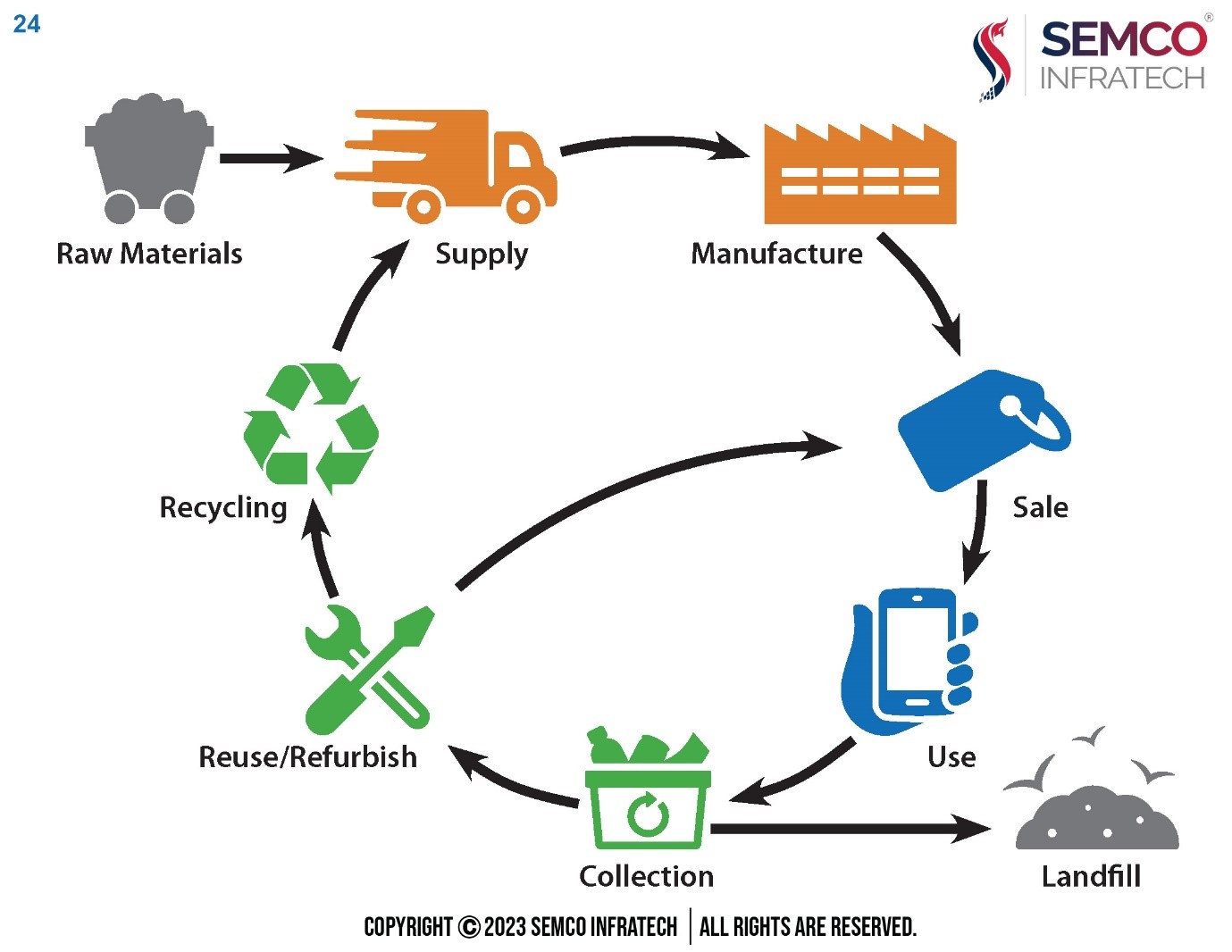
Closed-Loop Systems and Circular Economy: Battery recycling promotes the concept of a circular economy, where products and materials are recycled, reused, or repurposed to minimize waste and maximize resource efficiency. By incorporating recycled materials into battery production, manufacturers can reduce their reliance on virgin resources and create closed-loop systems that minimize environmental impact.
Challenges and Considerations in Battery Recycling:
Despite its many benefits, battery recycling faces several challenges that need to be addressed:
Collection Infrastructure: Establishing an efficient and widespread collection infrastructure for used batteries is essential. It requires collaboration among stakeholders, including manufacturers, governments, retailers, and consumers, to ensure the proper collection and transportation of batteries to recycling facilities.
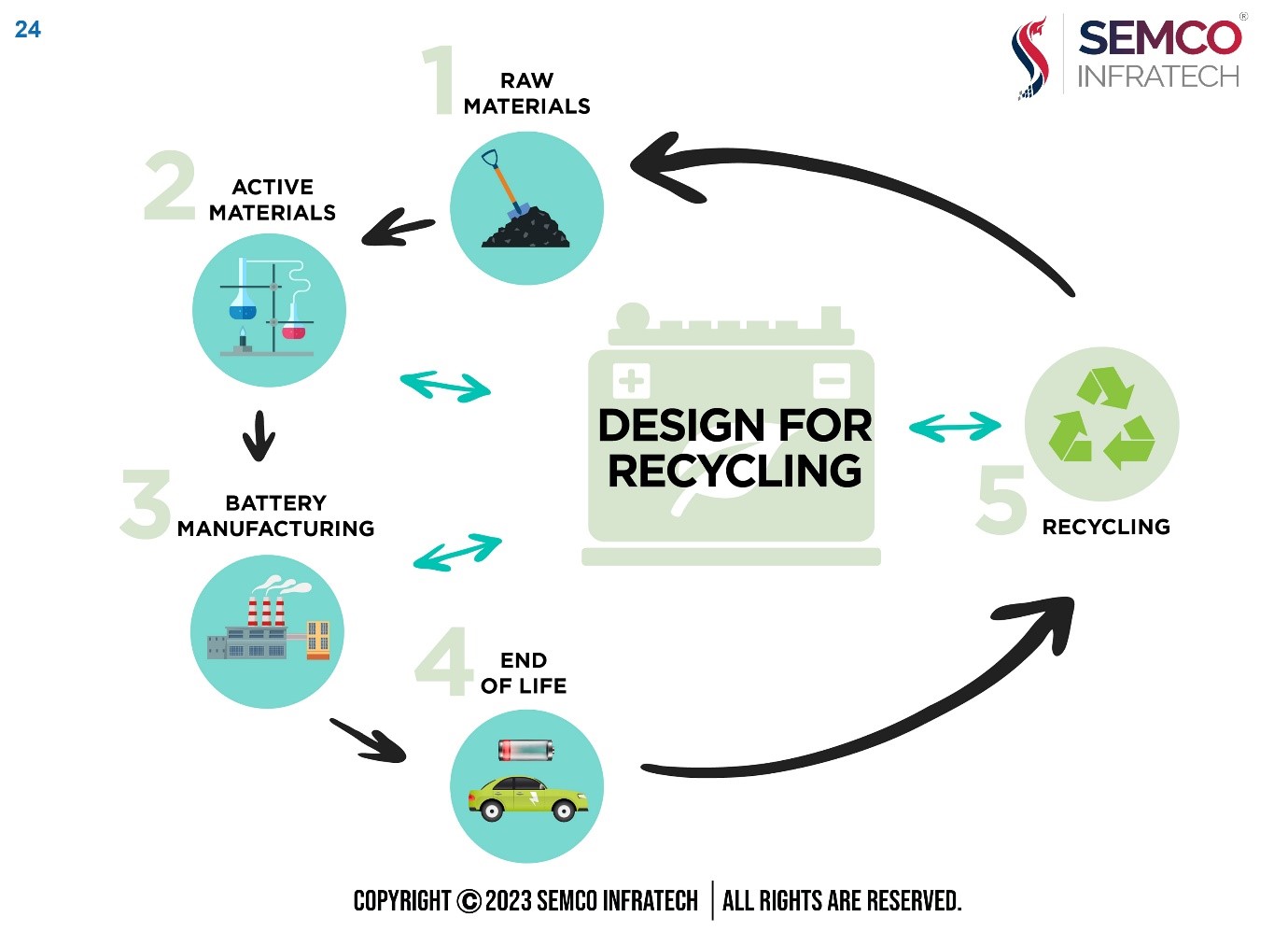
Technology Development: Continuous research and development are needed to improve recycling technologies and processes. Advancements in battery design, labeling, and separation techniques can enhance the efficiency and effectiveness of recycling operations.
Safety and Environmental Concerns: Battery recycling facilities must adhere to strict safety standards to protect workers, communities, and the environment from potential hazards associated with the handling and processing of batteries. Proper treatment and disposal of by-products and waste streams are crucial to minimizing any adverse impacts.
Consumer Awareness and Participation: Educating consumers about the importance of battery recycling and providing convenient collection points can increase participation rates. Public awareness campaigns and incentives can encourage responsible disposal and recycling practices.
Government Support and Policies: Government support and policies play a vital role in promoting battery recycling and sustainable manufacturing practices. Key measures include:
Extended Producer Responsibility (EPR): EPR policies shift the responsibility for managing and recycling batteries from consumers to manufacturers. This encourages manufacturers to design batteries with recycling in mind and invest in collection and recycling infrastructure.
Financial Incentives: Governments can provide financial incentives such as tax breaks or grants to support the establishment and operation of battery recycling facilities. These incentives can attract investment and foster the growth of a robust recycling industry.
Regulations and Standards: Implementing regulations and standards for the recycling and treatment of batteries ensure compliance and consistency in recycling practices. These regulations can include requirements for the safe handling, transportation, and processing of batteries.
Research and Development Funding: Governments can allocate funds to support research and development efforts aimed at improving battery recycling technologies, increasing efficiency, and reducing costs.
Conclusion:
Battery recycling is a critical component of sustainable manufacturing practices. It offers significant environmental, economic, and social benefits by conserving resources, reducing waste, minimizing environmental impact, and supporting the transition to a circular economy. Collaboration among manufacturers, governments, and consumers is essential to establish effective collection systems, develop innovative recycling technologies, and raise awareness about the importance of responsible battery disposal. By embracing battery recycling, we can pave the way for a more sustainable and environmentally conscious future.