
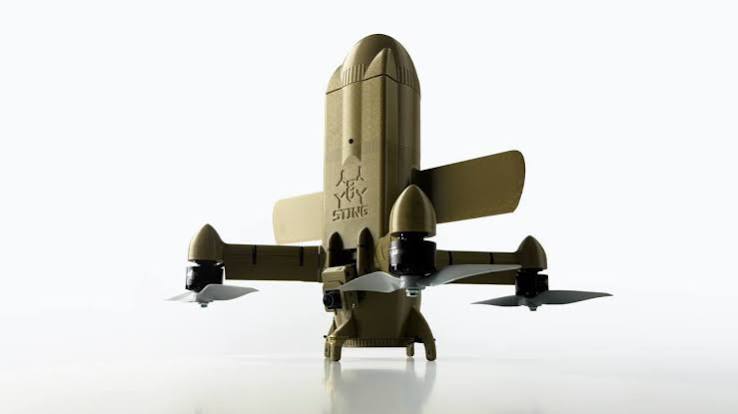
Ukraine is experimenting with its own technology capable of intercepting unmanned aerial threats, as the country looks for inexpensive ways to fight back against swarms of attack drones. The Ukrainian president Volodymyr Zelenskyy has claimed that the country has tested out its own system that was able to shoot down a Shahed-type drone, although there is still more work to do to make the technology more reliable. Shahed-family one-way attack drones have been used to devastating effect against cities, energy plants and other infrastructure, and their relatively low price can create an economic deterrent for traditional air defences that destroy the inexpensive drone and thereby deplete an expensive missile.
As yet, no specifics about Ukraine’s new system have been made public, but contemporary drone-interception weapons have all the components listed above. A radar, radio-frequency sensor, acoustic array and electro-optical cameras could detect and classify a target; AI software could identify an enemy drone from a flock of birds or formations of friendly fighters; and a guidance system could send an interceptor from a stand-off position toward the threat. Cheaper interceptor drones are also being designed to work between electronically armed missile defences and advanced sensors, using autonomous navigation, operator-assisted targeting, and onboard vision processing to find a target on approach.




Nonetheless, consistent functioning is another matter. An interceptor must work at night, in bad weather, and be able to fight off electronic jamming and adapt to the evolving tactics of attacking drones. The missile launchers Ukraine has reportedly tested are part of a broader evolution in air defence. In future, air defence will probably consist of a patchwork of guns, missiles, electronic warfare, directed energy, and reusable or disposable interceptors.

