
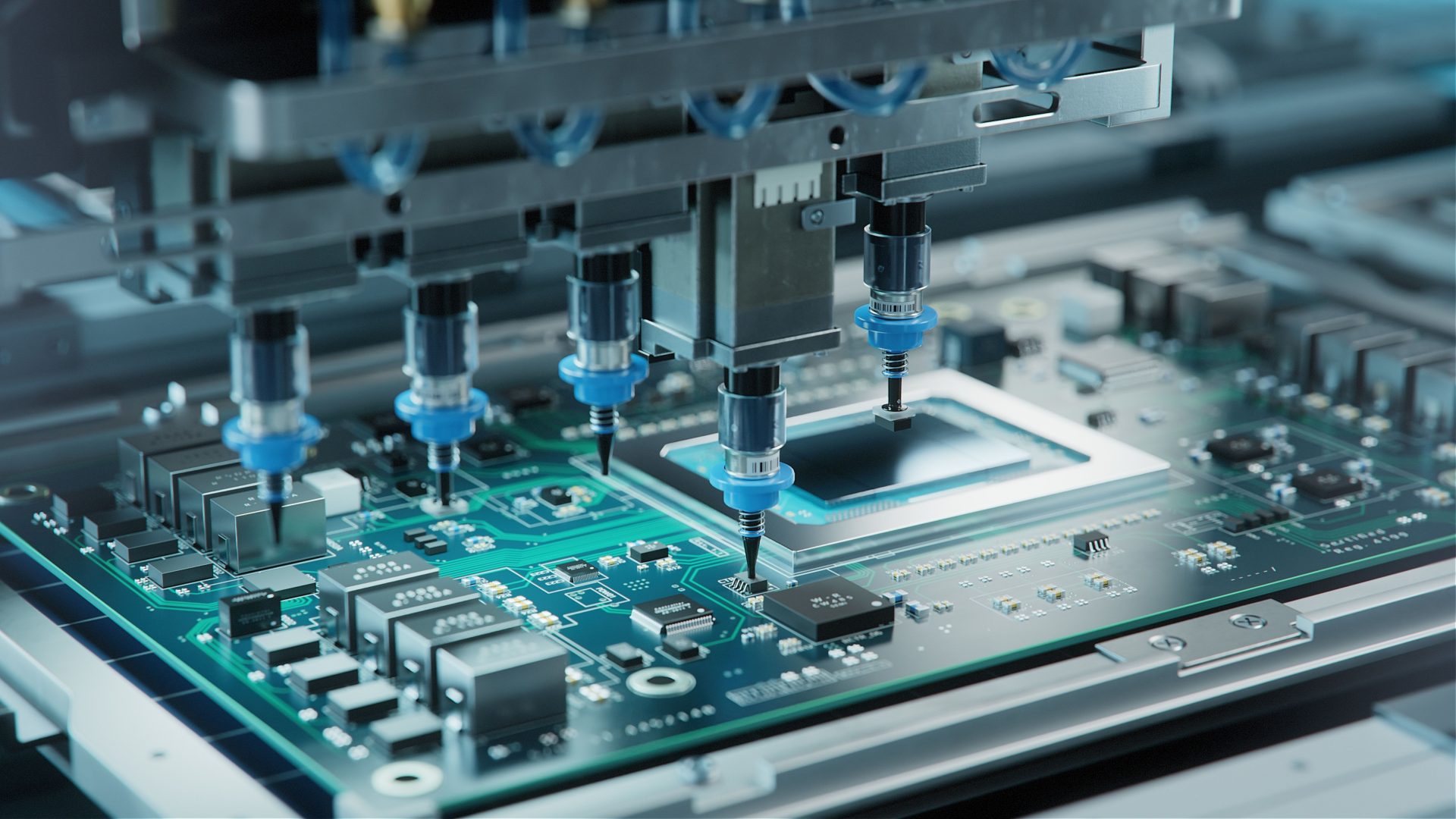
In a move to boost India’s electronics manufacturing ecosystem, the Union Cabinet has approved the setup of 4 semiconductor fabrication units at Odisha, Punjab, and Andhra Pradesh.
Having a combined investment of around ₹4,600 crore, these projects will generate direct employment for about 2,034 people and provide a great fillip towards making the country self-reliant in the semiconductor field. This initiative comes under the India Semiconductor Mission (ISM), which is one of the flagship programmes created primarily to lessen the import dependence and create strong manufacturing capabilities within the country.




According to the India Semiconductor Mission, the Union Cabinet approved the setup of four semiconductor manufacturing projects-
Odisha will host two plants in Bhubaneswar’s Info Valley. SicSem Pvt Ltd, in collaboration with UK’s Clas-SiC Wafer Fab Ltd, will set up India’s first commercial compound semiconductor fab to produce 60,000 wafers and 96 million packaged units annually, for use in defence, EVs, railways, chargers, and renewable energy. The second unit, by 3D Glass Solutions Inc., will establish an advanced packaging and embedded glass substrate facility with annual capacity of 69,600 glass panels, 50 million assembled units, and 13,200 3DHI modules for defence, AI, photonics, and high-performance computing.
In Andhra Pradesh, ASIP and South Korea’s APACT Co. Ltd will set up a 96 million unit semiconductor plant for mobile, automotive, and consumer electronics.
In Punjab, CDIL will expand its Mohali facility to produce 158.38 million high-power discrete devices annually, including MOSFETs, IGBTs, and Schottky Bypass Diodes for automotive electronics, EV charging, and industrial use.
According to the Union Minister Ashwini Vaishnaw, these units will cater to both domestic needs and strategic needs, including electronics, telecommunications, defense, and space technologies. Spread across three states, the approved units represent a major infrastructure-building step for semiconductors in India, with a heavy emphasis on job creation, technology innovation, and attracting even more private investment.
Conclusion:
With the approvals, India is decisively charting a course that places it among the global semiconductor firms. Through a mix of value creation through strategic investments, job creation, and technology capacities, the government wants to strategically position itself to meet domestic demand as well as become a deserving assembly hub on the world scale. Industry analysts consider that these projects might be the very foundation that leads toward a self-sustaining semiconductor ecosystem, capable of lessening import dependence and setting India on the pathway of being a key player in future-ready technologies.

