

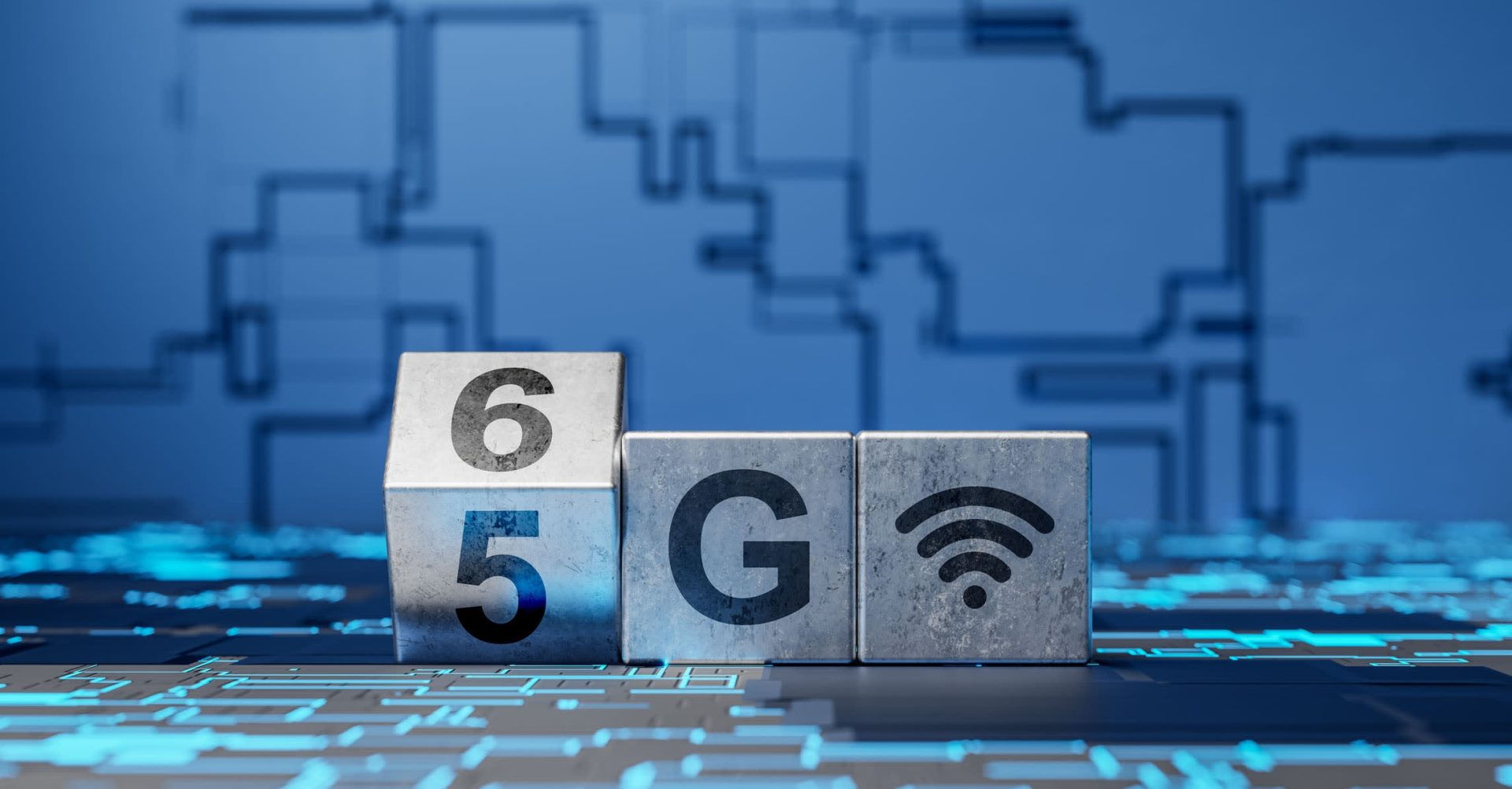
The global rollout of 5G was expected to be transformative, providing blazing-fast speeds with incredibly low latencies. Through quite visionary and futuristic applications, 5G would have helped in applications such as autonomous driving and telemedicine.
Having made some progress, the realization has often been short of early expectations. Many industries have yet to create palpable value, whilst those in the operator’s arena are facing the challenge of recovering massive investments made in 5G infrastructure.



Now, with accelerated 6G research, the telecom industry has undergone an unusual opportunity to address these shortfalls and, learning from the trials of 5G, set engineers and innovators on the path of designing a wireless future that is smarter, better, and more inclusive.
Key Lessons from 5G Adoption
- Too Much Promises, Not Enough Delivery
The hype around 5G had fueled expectations for revolutionary new applications. Mobile broadband speeds improved, yet many flagship applications-think massive IoT or mission-critical ultra-reliable low-latency communications (URLLC)-have not scaled in the way expected. Particularly hesitant are enterprises, leaving operators holding significant investments but slowly gaining returns.
- Deployment Complexity
Deployment from 4G to 5G was further complicated than expected. Small cell deployments for (mmWave) frequencies, spectrum allocation complications, and the very expensive upgrades to various parts of networks caused more delays in the commercial rollout. While the 5G core gave operators and enterprises a lot of flexibility, operational costs also increased, along with deployment time, to their aggravation.
- Ecosystem Gaps
Like in many solutions, 5G has been held back by its ecosystem. The smartphones were fast to adapt, while industrial IoT and other enterprise-critical devices took their own sweet time. Unable to muster an ecosystem of applications, services, and devices, industries were left unable to embrace 5G fully-or monetize it.
How 6G Aims to Deliver Where 5G Fell Short
Building on a Stronger Foundation
There is no point in going back to the drawing board for 6G. It is a natural evolution of the 5G capabilities. Enhancements to (eMBB), massive IoT, and URLLC will come alongside AI-native and machine-learning-driven networks, making such systems smarter, more reliable, and adaptable to the real world such as AR, industrial automation, and connected healthcare.
Simplifying Network Complexity
One of the intended goals of 6G is to ease all network operations. Simplifying the core architecture will make deployment much faster, cheaper, and easier to manage; operators and enterprises now have fewer barriers.
Expanding the Ecosystem
Taking note of the slow ecosystem development in 5G, 6G R&D now places device and application readiness alongside infrastructure. This, in turn, means that industries will have the hardware and software required to harness the capabilities of 6G from day one, thus speeding up adoption in manufacturing, logistics, healthcare, and transportation.
Smarter Spectrum Utilization
6G will scale spectrum efficiency on top of any mmWave operations into upper mid-band (7–24 GHz) and terahertz ranges. This means that it can deliver faster data throughput, lower latency, and wider coverage, higher on spectrum-sharing issues that made 5G under-perform in densely populated urban setups.
Sustainability and Equity
Of course, spacetime performance will identify markets on energy-efficient and global-inclusive standards. By limiting power usage and operational footprints, 6G will be geared towards sustainability. At the same time, they aim to extend reliable connectivity to underserved regions, narrowing the digital divide.
Testing’s Contribution to 6G Success
Testing that is precise, adaptable, and standards-based will be essential to the deployment of 6G. In addition to verifying 6G capabilities, tools must also guarantee 5G backward compatibility. More significantly, collaborations with skilled testing suppliers will contribute to ensuring seamless development cycles, adherence to regulations, and practical performance.
Conclusion:
In conclusion, 6G presents an opportunity to address 5G’s drawbacks by emphasising sustainability, ecosystem preparedness, and pragmatism. The upcoming ten years provide engineers, operators, and businesses the chance to transform wireless communication into something quicker, easier, and more significant for communities and industries around the globe.
(This article has been adapted and modified from content on Anritsu.)

