
Under the performance-linked incentive, PLI scheme, the government will give 4-6% incentive to eligible electronic companies on incremental sales of manufactured goods—mobile phones and electronic components
Sixteen top global and domestic mobile phone and electronic component makers, including Samsung, Foxconn and Bhagwati Products, the maker of Micromax phones, are eligible for India’s performance-linked incentive (PLI) scheme that was launched to boost local manufacturing, the government.




The other eligible international phone makers are Rising Star, Wistron and Pegatron. Except for Samsung, all the other foreign companies are contract manufacturers for Apple Inc. Samsung and Apple together account for nearly 60% of global revenue for mobile phones.
Under the PLI scheme, the government will give 4-6% incentive to eligible electronic companies on incremental sales of manufactured goods—mobile phones and electronic components such as printed circuit boards and sensors, among others—for five years. The base year is 2019-20 and the incentives are applicable from 1 August.
For mobile phones priced at ₹15,000 and above, the consolidated global manufacturing revenue of the applicant has to be more than ₹10,000 crore in the base year. In the case of domestic handset makers, the consolidated global manufacturing revenue of the applicant has to be more than ₹100 crore in the base year.
“Under the mobile phone (domestic companies) segment, Indian firms including Lava, Bhagwati (Micromax), Padget Electronics, UTL Neolyncs and Optiemus Electronics are approved by MeitY. Six companies are approved under the specified electronic components segment, which includes AT&S, Ascent Circuits, Visicon, Walsin, Sahasra and Neolync.”
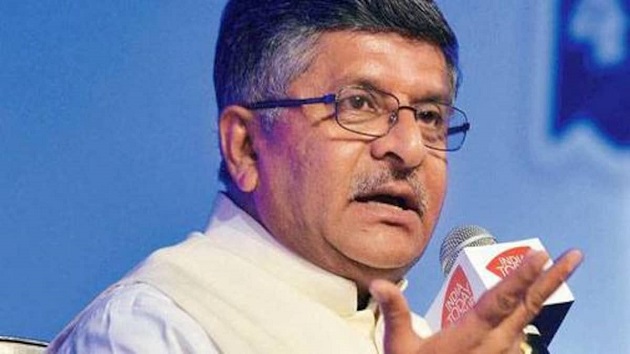
Minister of electronics and information technology Ravi Shankar Prasad said the PLI scheme has been a huge success in terms of the applications received from global as well as domestic mobile phone manufacturing companies and electronic parts makers.
“We are optimistic and looking forward to building a strong ecosystem across the value chain,” Prasad said.
Over five years, the scheme is expected to result in production worth ₹10.5 trillion, out of which more than 60% will be contributed by exports. The scheme will bring additional investment to the tune of ₹11,000 crore and create 300,000 direct jobs.

