
India is exploring new duties on the import of a key smartphone component, according to two government sources, the latest in a series of moves aimed at boosting domestic manufacturing in the world’s second-biggest smartphone market reported Reuters.
India’s Ministry of Electronics and Information Technology has mooted a proposal to levy a 10 percent duty on the import of populated printed circuit boards (PCBs), two government officials told Reuters this week, declining to be named as the matter is not public.




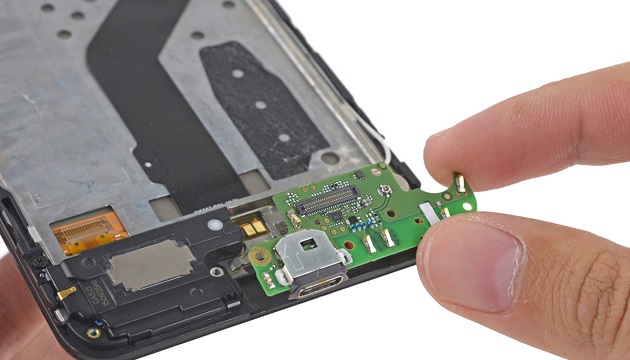
A PCB is a bed for key components such as processors, memory and wireless chipsets that are the heart of an electronic device. Once populated with components, PCBs account for about half the cost of a smartphone. Currently, most manufacturers of smartphones import PCBs which are already loaded with components to India and then assemble them locally.
If India’s finance ministry clears the recommendation on new duties, these could be levied in a matter of days, say government and industry sources, thus making populated PCB imports more expensive and pushing players to locally mount components instead.
In the near-term, such actions could spur players like Apple Inc to widen their limited manufacturing and assembly capabilities in India and give an edge to those like Korea’s Samsung Electronics and homegrown firm Lava, which already have machines to mount components onto PCBs.
China’s OPPO is also putting up surface mounting machines in a new facility it is building in north India, a company executive told Reuters in a recent interview. The local unit of Foxconn, one of the biggest global contract manufacturers of electronics, also has the capability, according to two industry sources.
“This will be a step in a good direction. This is how full-scale manufacturing happens,” said S.N. Rai, co-founder of Lava to Reuters, adding the move will gradually also boost local production of components such as smartphone cameras and screens.
The move, if implemented, would be the latest step in Prime Minister Narendra Modi’s phased manufacturing programme (PMP), a plan unveiled in 2016 to step up local value addition every year in the smartphone manufacturing space.
Any move to impose duties on populated PCBs, however, could risk a backlash from several countries and heighten trade war concerns. China, Canada, and the United States among others last week raised concerns at the World Trade Organization around India’s imposition of duties on such devices.
Reuters stated that while ‘Make in India’ drive is still a long way from delivering on lofty job promises, Modi has had some success with the PMP. Over 100 local factories currently assemble mobile phones and accessories like chargers, batteries, power banks and earphones in India, says tech research firm Counterpoint.
The PMP currently envisions local assembly of camera modules and printed circuit boards in the fiscal year beginning April 1, according to a public electronics ministry document.
“India has a plan to raise duties for all components bit by bit,” said Tarun Pathak an associate director with Counterpoint to Reuters, adding this will gradually force domestic manufacturing.

