
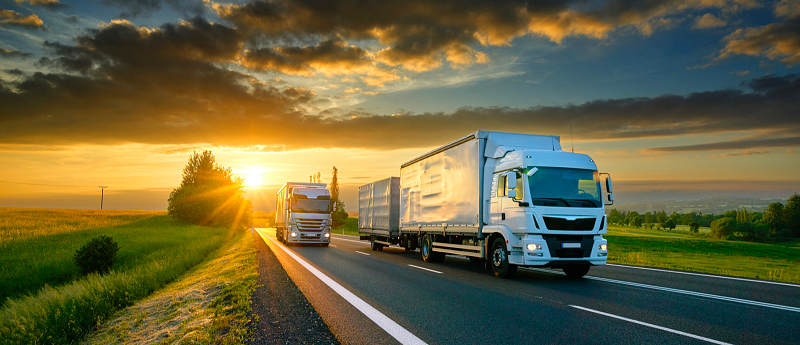
Logistics companies plan to include more electric vehicles in their fleet as part of a global effort to make transportation more sustainable.
DHL Supply Chain plans to convert a quarter of its two-wheeler fleet to electric by the end of 2021 and completely by 2023.




The company currently has a few electric two-wheelers, he added.
This year, the company will move to electric three-wheelers, too. Anand said by 2025, DHL Supply Chain expects to deploy only electric vehicles for intra-city deliveries.
Last month, parent company Deutsche Post DHL Group one of the biggest logistics companies in the world, said it will invest -7 billion over the next 10 years to reduce carbon dioxide emissions.
Warburg Pincus-backed Stellar Value Chain is asking its vendors to buy electric vehicles for transporting e-commerce shipments, said chairman Anshuman Singh. He said electric vehicles now run within a 50 km radius and Stellar plans to use them for those distances. The company will form a group of its vendors and help them in financing the vehicles, which it will then use on contract.
French company FM Logistics recently launched its first set of electric vehicles in Bengaluru. The company plans to deploy at least 50 such vehicles and cover a wider area by the year-end. The government has been pushing for sustainable transportation. Transport minister Nitin Gadkari recently said that lithium-ion batteries would be fully manufactured in the country in the next six months
Mahesh Babu, CEO of Mahindra Electric Mobility, said there is tremendous demand for electric vehicles in the logistics segment and he expects 40%-45% of sales in the small commercial vehicle category to come from electric vehicles by 2025.
Mahindra has already announced a fresh investment of Rs 3,000 crore towards EVs (including in last-mile mobility). Last-mile mobility in India offers a huge EV penetration opportunity and is set for a massive transformation. Girish Wagh, president of the CV division at Tata Motors, said the faster deployment of electric vehicles will need a proportionate ramp-up of key enablers such as the continuation of subsidy, ease of financing, and availability of charging infrastructure.
The reducing battery costs and localization will also make electrification increasingly attractive for consumers. Tata Motors is tracking trends, demand for electric commercial vehicles, and will introduce the products with appropriate technology in increasing use-cases as it becomes relevant, required, and viable.

