
HomeNewsIndia NewsMIT Develops Super Low Power Speech Recognition Chip Giving Ears to Devices

    MIT Develops Super Low Power Speech Recognition Chip Giving Ears to Devices

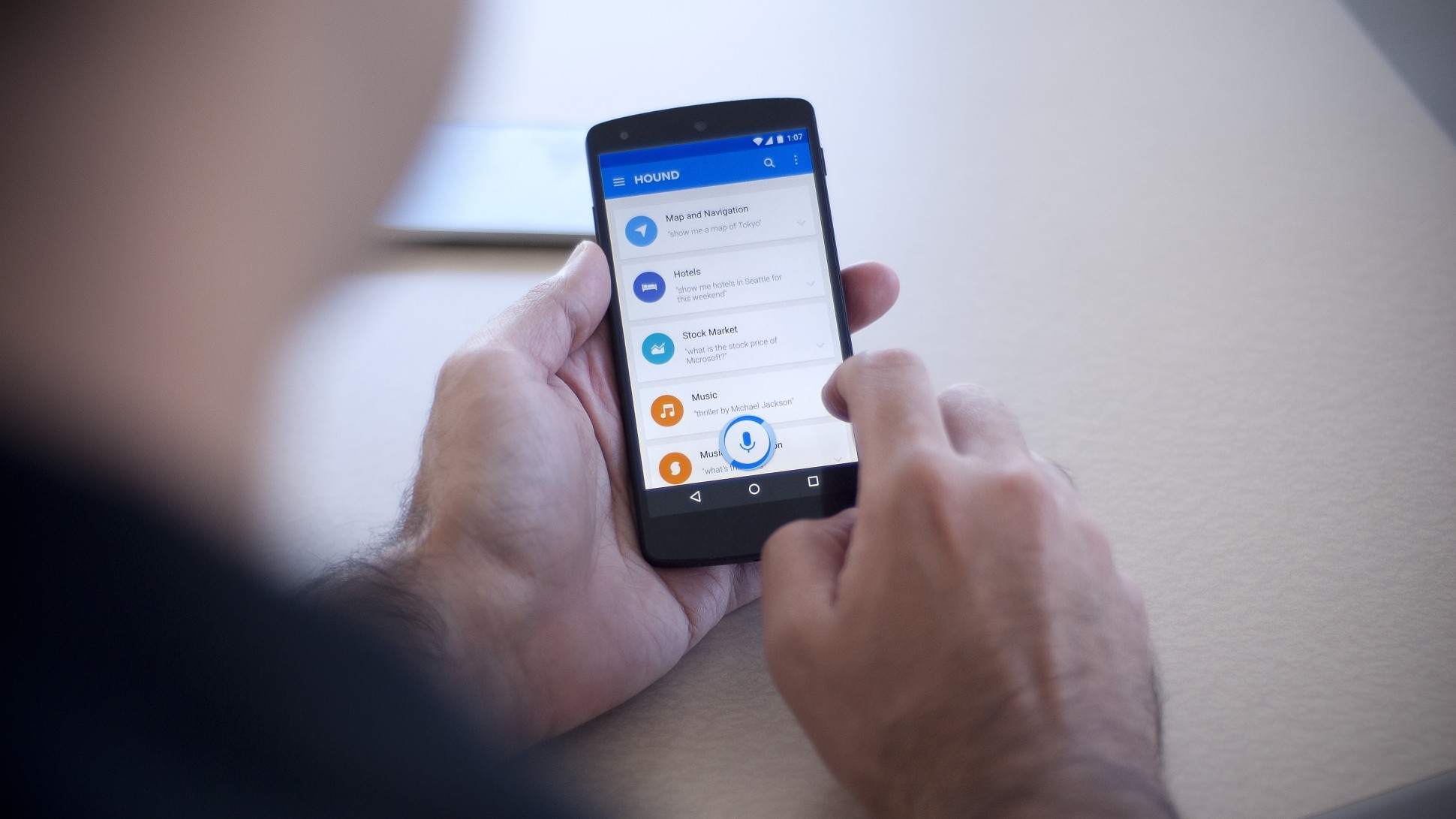
    As voice user interface in devices becoming the new norm, researchers in MIT have created a specialised low power chip for recognising speech input that offers power savings of 90 to 99 percent, in comparison to regular cell phones. A phone running speech recognition software requires around 1 watt of power, the MIT chips require only 0.2 to 10 milliwatts of power, depending on the number of words that needs to be processed.

    The chip is specially developed for Internet of Things (IoT) devices, as well as wearable computers, and will allow manufacturers to equip a range of small devices and electronics with integrated speech input capabilities.


     Anantha Chandrakasan, the Vannevar Bush Professor of Electrical Engineering and Computer Science at MIT, who was part of the team that developed the chip, said “Speech input will become a natural interface for many wearable applications and intelligent devices. The miniaturization of these devices will require a different interface than touch or keyboard. It will be critical to embed the speech functionality locally to save system energy consumption compared to performing this operation in the cloud. ”

    The chip runs in two modes. In active mode, it recognises and processes language input. There is a passive mode, to save power, or else the chip would be running all the time. A voice activity detection circuit in it simply monitors the surroundings for signs of voice activity. If a voice input is detected, the chip powers up the larger circuit for handling speech input.

    The low power speech chip stands to benefit the next generation of smart devices and is a way of giving electronic ears to things.

    ELE Times Bureau
    ELE Times Bureauhttps://www.eletimes.ai/
    ELE Times provides a comprehensive global coverage of Electronics, Technology and the Market. In addition to providing in depth articles, ELE Times attracts the industry’s largest, qualified and highly engaged audiences, who appreciate our timely, relevant content and popular formats. ELE Times helps you build awareness, drive traffic, communicate your offerings to right audience, generate leads and sell your products better.

    Related News

    Must Read

    Keysight to Demonstrate NR-NTN devices Mobility Testing at MWC 2026 in Collaboration with Samsung

    Keysight Technologies, Inc. will demonstrate lab-based validation of new...

    ROHM Strengthens Supply Capability for GaN Power Devices

    Combining TSMC’s Process Technology to Build an End-to-End, In-Group...

    element14 Community launches smart security and surveillance design challenge

    element14, an Avnet Community, in collaboration with ADI, has...

    R & S and LITEON demonstrate high‑throughput 5G femtocell testing with the PVT360A

    Rohde & Schwarz and LITEON collaborate to showcase a...

    Infineon presents MCU and sensor solutions for the future of AI, IoT, mobility, and robotics

    Next-generation embedded systems are essential for applications in the...

    R&S advances AI-RAN testing using digital twins in collaboration with NVIDIA

    Rohde & Schwarz will showcase a new milestone in...

    Top Seven Tech Trends in the semiconductor sector for 2026

    By: STMicroelectronics In 2026, a new class of intelligent machines...

    Keysight launches next-gen Infiniium XR8 Oscilloscopes for faster analysis, clearer insights, and a compact design

     Keysight Technologies introduced its next-generation Infiniium XR8 Real-Time oscilloscopes,...
