

As the rupee continues to depreciate, crossing the magical figure of 90, the electronics manufacturing industry in India is set to take a blow. As India imports nearly 70 percent of the components used in TVs, whether Open Cell Panels or glass substrates, and even the memory Chips, a continued rise in the prices of memory chips along with depreciating rupees beyond 90 is set to impact the TV prices by around 3-4 percent by January 2026. The situation is further aggravated by the rising demand for High-Bandwidth Memory (HBM) for AI servers, which is driving a global chip shortage.
Also, the chipmakers are largely focusing on the high-profit AI chips, lowering the supply of chips for legacy devices like TVs. Like any high-end device, Smart TVs are also heavily dependent on memory chips for various reasons, ranging from storing preferences to facilitating services.



What are Memory Chips?
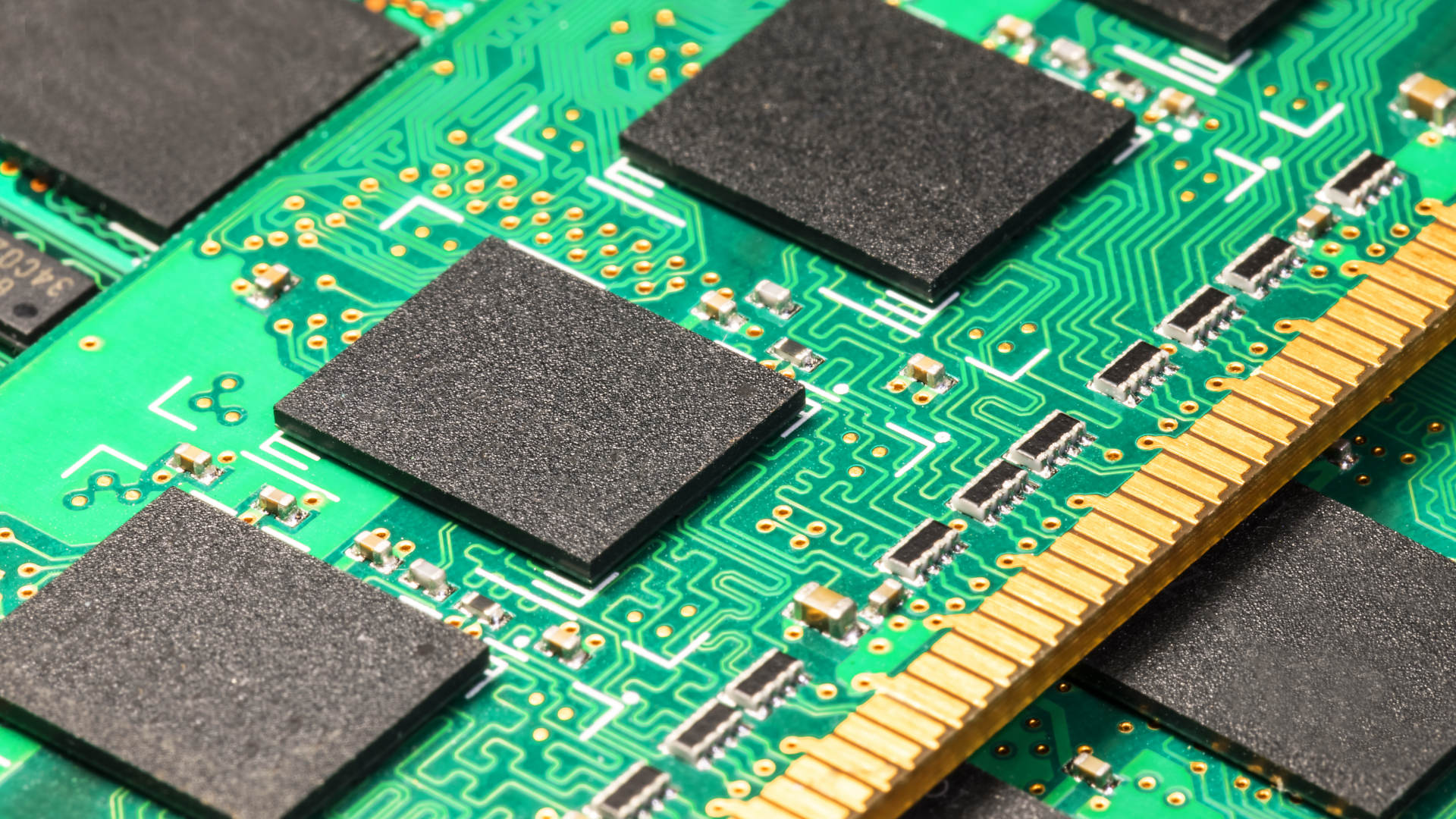
Memory Chips are integrated chips used in TVs that store firmware, settings, apps, and user data, primarily using Electrically Erasable Programmable Read-Only Memory (EEPROM) for basic adjustments (like picture settings) and modern eMMC flash memory (like in smartphones) for smart TV OS, apps, and video buffering. The EEPROM mode allows the memory to retain data even when power is off and makes it essential for storing data like configuration settings and the system’s fundamental settings.
Why is it so important?
Since the chip stores such minimal yet crucial data, important for the functioning of smart TVs, they act as the brains of the TV’s memory. Most importantly, these not only hold data, but also ensure that the TVs start up correctly and store the TV’s Operating system and Software. In crux, it is an integrated memory that, like any memory, runs smart features, remembers preferences, and displays content smoothly.
7-10 % Price Hike
According to media reports, Super Plastronics Pvt Ltd (SPPL)—a TV manufacturing company that holds licences for several global brands, including Thomson, Kodak and Blaupunkt—has said that memory chip prices have surged by nearly 500 per cent over the past three months. The company’s CEO, Avneet Singh Marwah, added that television prices could rise by 7–10 per cent from January, driven largely by the memory chip crunch and the impact of a depreciating rupee.
According to a recent Counterpoint Research report, India’s smart TV shipments fell 4 per cent year-on-year in Q2 2025, weighed down by saturation in the smaller-screen segment, a lack of fresh demand drivers, and subdued consumer spending.

