
As India approaches Union Budget 2026–27, multiple industrial sectors—from power and automation to digital infrastructure and electric mobility—find themselves at a critical inflexion point. With the country balancing rapid industrialisation alongside sustainability and energy-transition goals, industry leaders are calling for continued capital expenditure, targeted incentives, and policy stability to strengthen infrastructure depth and global competitiveness.
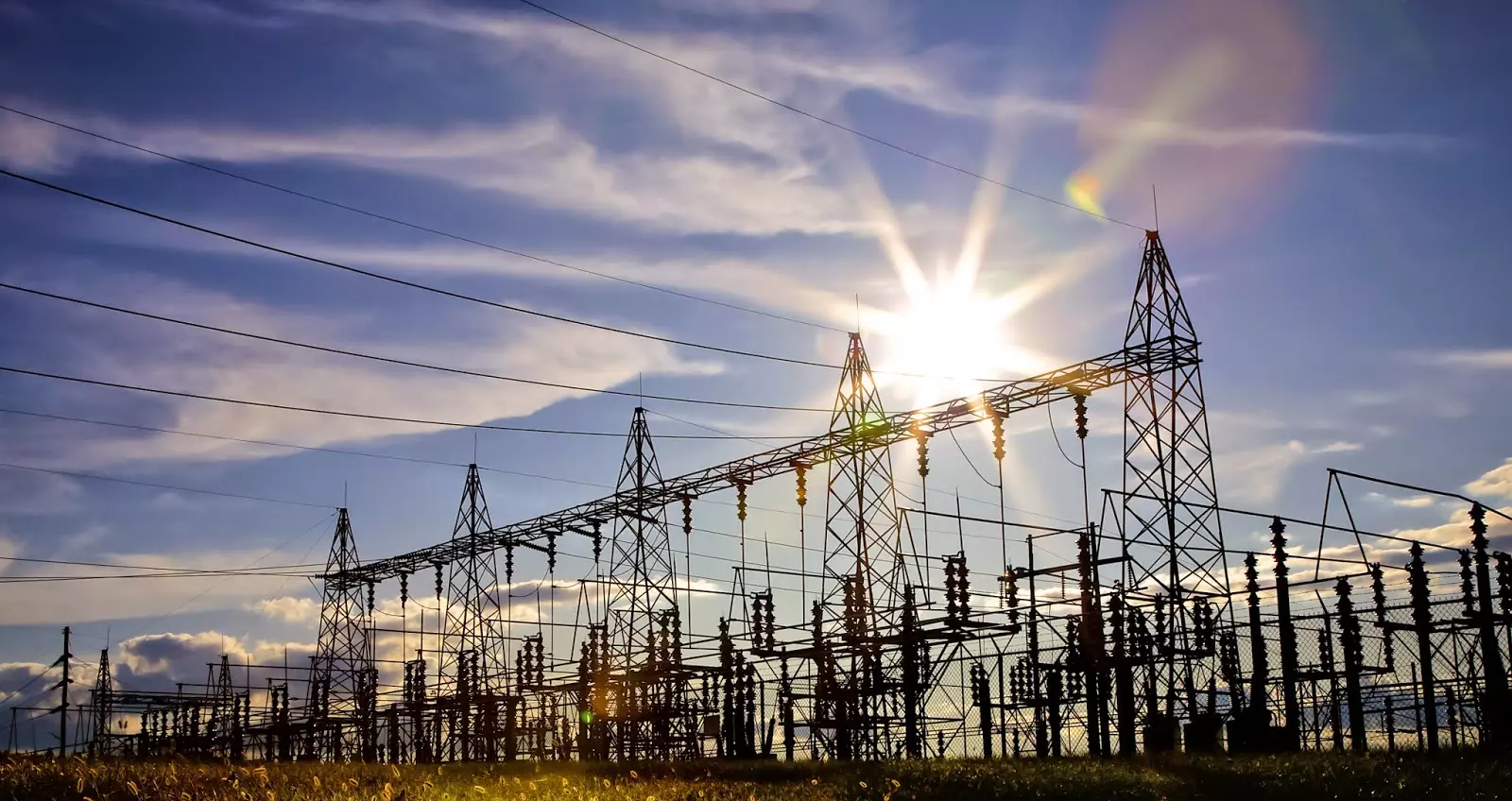
At the core of these recommendations is the need to reinforce India’s power and grid ecosystem. According to Meenu Singhal, Regional Managing Director, Socomec Group, Greater India, sustained capex allocation, grid modernisation, and deeper indigenisation of critical power equipment will be essential to support rising industrial and digital demand. Industry stakeholders are urging the government to prioritise scalable manufacturing clusters, digitally enabled grid infrastructure, and structural reforms that improve reliability and execution efficiency.



Strategic schemes such as capex support mechanisms, fiscal incentives for local manufacturing, and policies favouring large-scale infrastructure implementation are seen as vital to closing capability gaps across transmission and distribution networks. Equally important, experts stress, is policy consistency and an enabling tax framework that continues to attract both domestic and global capital into the power sector, reinforcing India’s long-term vision of energy security and sustainable growth.
Automation as a Manufacturing Multiplier
Beyond core infrastructure, industrial automation has emerged as a key lever for enhancing India’s manufacturing competitiveness as the economy advances towards the $5-trillion milestone. Sanjeev Srivastava, Business Head – Industrial Automation SBP at Delta Electronics India, highlights that smart factories, AI-driven automation, and closer human–machine collaboration will define the next phase of industrial transformation.
Industry players believe that stronger Budget support in the form of smart manufacturing incentives, R&D-linked tax benefits, and skill-development programmes can significantly accelerate the adoption of next-generation automation technologies. Such measures would help manufacturers improve productivity, reduce operating costs, and strengthen India’s position on the global manufacturing and automation curve.
Also read industry’s recommendations on the Union Budget 2026 at: PCB Duty Cuts to Manufacturing Zones: Top Industry Recommendations for Budget 2026
Digital Infrastructure and Data Centres
As India moves deeper into the 5G, cloud, and AI era, mission-critical digital infrastructure is increasingly being viewed as the backbone of every industry. Pankaj Singh, Head – Data Centre & Telecom Business Solutions at Delta Electronics India, notes that the upcoming Budget presents an opportunity to prioritise energy-efficient and resilient data-centre ecosystems.
Industry recommendations include stronger incentives for modular and containerised data-centre deployments to enable faster rollout of scalable core and edge facilities. There is also a growing emphasis on supporting advanced cooling technologies—such as liquid-to-liquid and liquid-to-air coolant distribution systems—to manage the high thermal loads associated with AI-driven workloads. When complemented with sustainability-linked benefits and Make-in-India incentives for locally manufactured power, cooling, and automation equipment, these measures could encourage OEMs to invest with greater confidence in building a future-ready, low-carbon digital backbone.
Strengthening the EV Manufacturing Base
Meanwhile, India’s electric mobility ecosystem is entering a decisive phase, where long-term resilience and supply-chain stability are becoming as critical as adoption numbers. Bhaktha Keshavachar, Co-Founder & CEO of Chara Technologies, points out that while policy efforts have successfully focused on vehicle adoption and battery localisation, recent global disruptions have exposed vulnerabilities stemming from India’s dependence on imported rare-earth magnet motors.
As Budget 2026 approaches, industry voices are calling for formal recognition and fiscal support for magnet-free motor technologies within existing incentive frameworks. These solutions offer predictable costs, reduced supply-chain risk, and the development of indigenous intellectual property—particularly for high-volume segments such as two-wheelers, three-wheelers, and commercial fleets.
Targeted incentives for rare-earth-free motor manufacturing, stakeholders argue, would not only de-risk India’s EV ambitions but also position the country as a global hub for affordable, resilient, and export-ready EV powertrain solutions.
The Road Ahead
Taken together, these pre-Budget recommendations underline a shared industry priority: building resilient, scalable, and future-ready industrial ecosystems through focused policy support. Whether in power infrastructure, automation, digital systems, or electric mobility, Budget 2026 is widely seen as a pivotal opportunity to reinforce India’s transition towards sustainable growth, technological leadership, and global manufacturing competitiveness.

