
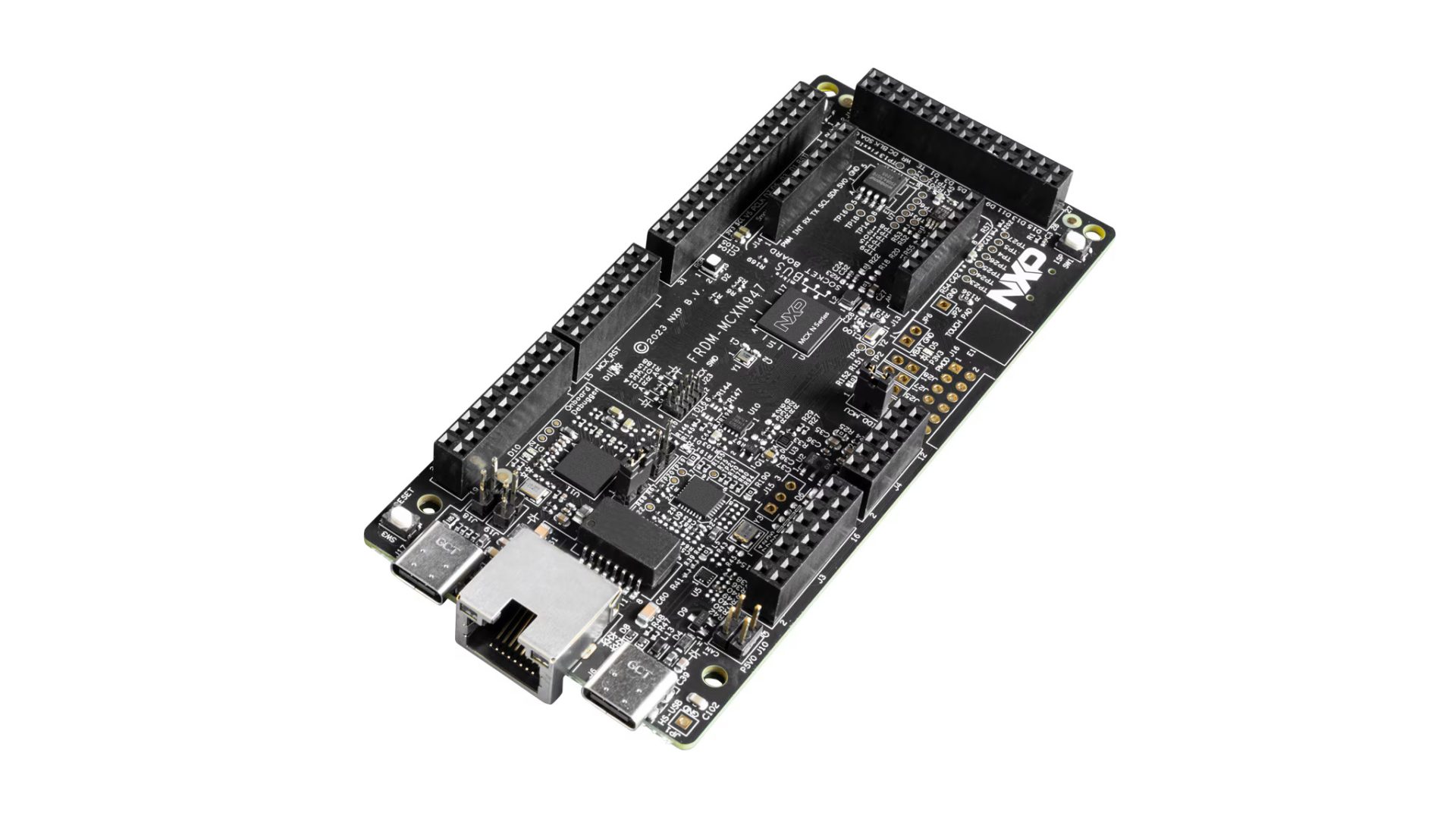
In a world that’s rapidly digitizing, there’s one thing we can’t escape—our environment is still inherently analog. From vibrations and temperatures to pressure and sound, the data around us starts in analog form. That’s where the magic of sensing begins. And at NXP, we’re reimagining how analog sensing integrates into intelligent systems at the edge with our new Universal Sensing Module (USM).
Why Analog Sensing Still Matters



As more embedded systems adopt AI and machine learning (ML) capabilities, there’s a growing need for precision and flexibility in how we collect and process data. Analog sensors are still the foundation of this data—whether in a smart building, industrial environment, or scientific lab.
However, designing reliable analog sensing solutions isn’t easy. Harsh industrial environments, electrical noise, and wide-ranging sensor requirements can complicate development. That’s where the Universal Sensing Module comes in.
A Robust, Flexible Platform for the Edge
The USM was built to handle real-world conditions—think industrial automation, smart agriculture or even grain silos. It combines NXP’s NAFE13388, a high-performance analog front end (AFE), with an MCX N947 microcontroller, all supported by a full software stack and application code available on the NXP Application Code Hub.
This combination enables developers to capture and condition a wide range of analog signals with precision, then process them efficiently right at the edge.
Key features of the USM include:
- Multi-channel, software configurable, high-precision AFE with on-chip calibration
- Robust protection against electrical interference (ESD, EFT, surge)
- Flexible connectivity including CAN FD, Ethernet, and USB
- A full-featured software stack with examples, drivers, and ML integration
Whether you’re building a smart factory controller, environmental sensor, or portable test device, the USM offers the software configurability and robustness needed to shorten development time and reduce complexity.
Designed for Versatility
One of the standout advantages of the USM is its adaptability across industries:
- Industrial Automation: The USM shines in environments where reliability and precision are non-negotiable.
- Lab Instrumentation: With its high-accuracy analog front end, it’s ideal for medical or scientific data acquisition.
- Smart Buildings and Homes: Its energy efficiency and small form factor make it a strong candidate for integrated sensor nodes in HVAC, lighting, and environmental systems.
And the most surprising part? Despite its high performance and flexibility, the total solution—hardware, software, and development tools—comes in at under $75.
Wrapping It Up
The Universal Sensing Module is more than just development boards—it’s a launchpad for innovation across industries. It takes the guesswork out of analog front-end design, simplifies software development, and offers the flexibility needed to build scalable edge solutions.
If you’re looking to bridge the analog and digital worlds more efficiently, this is a platform worth exploring.

