

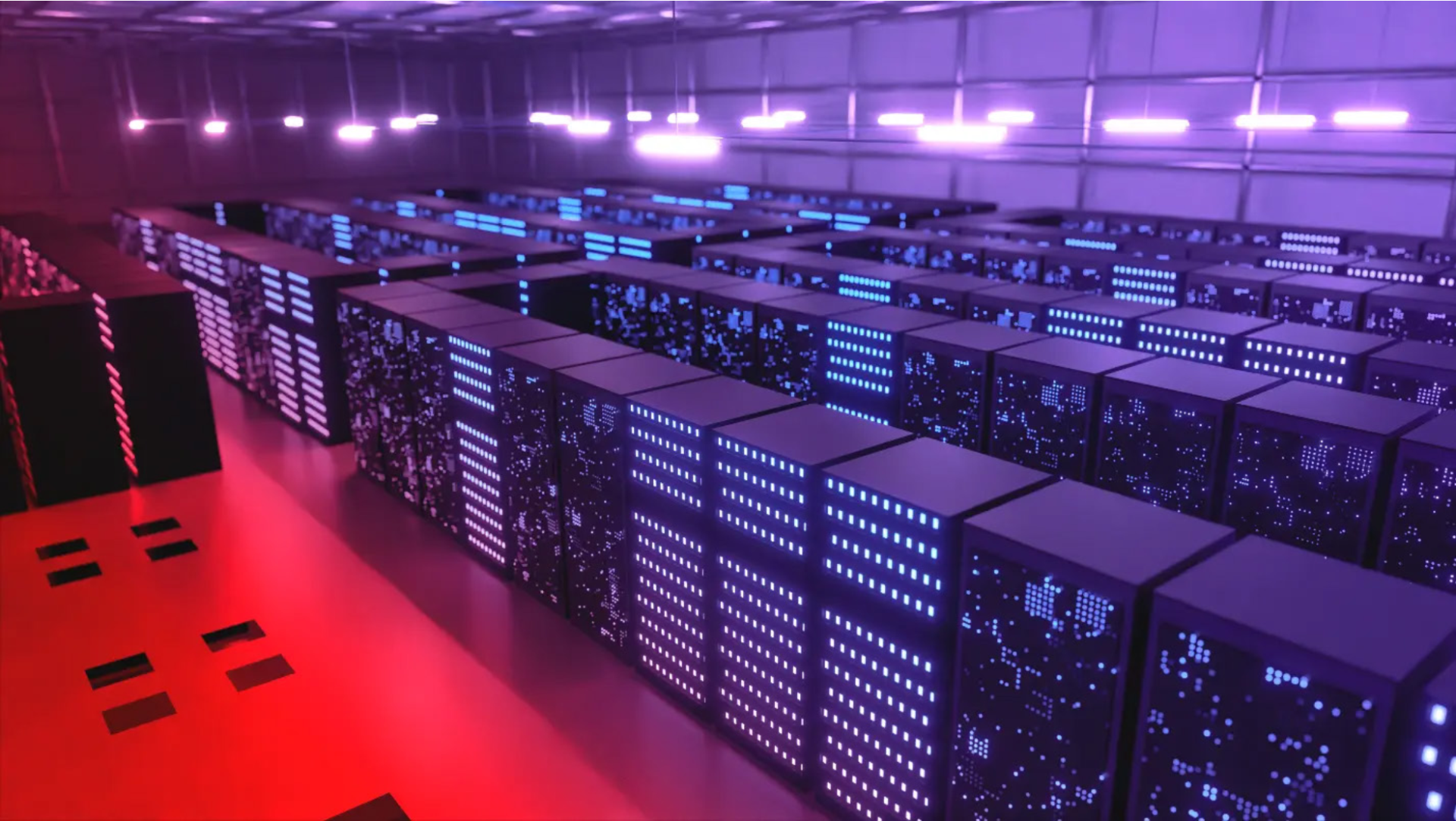
Courtesy: Keysight Technologies
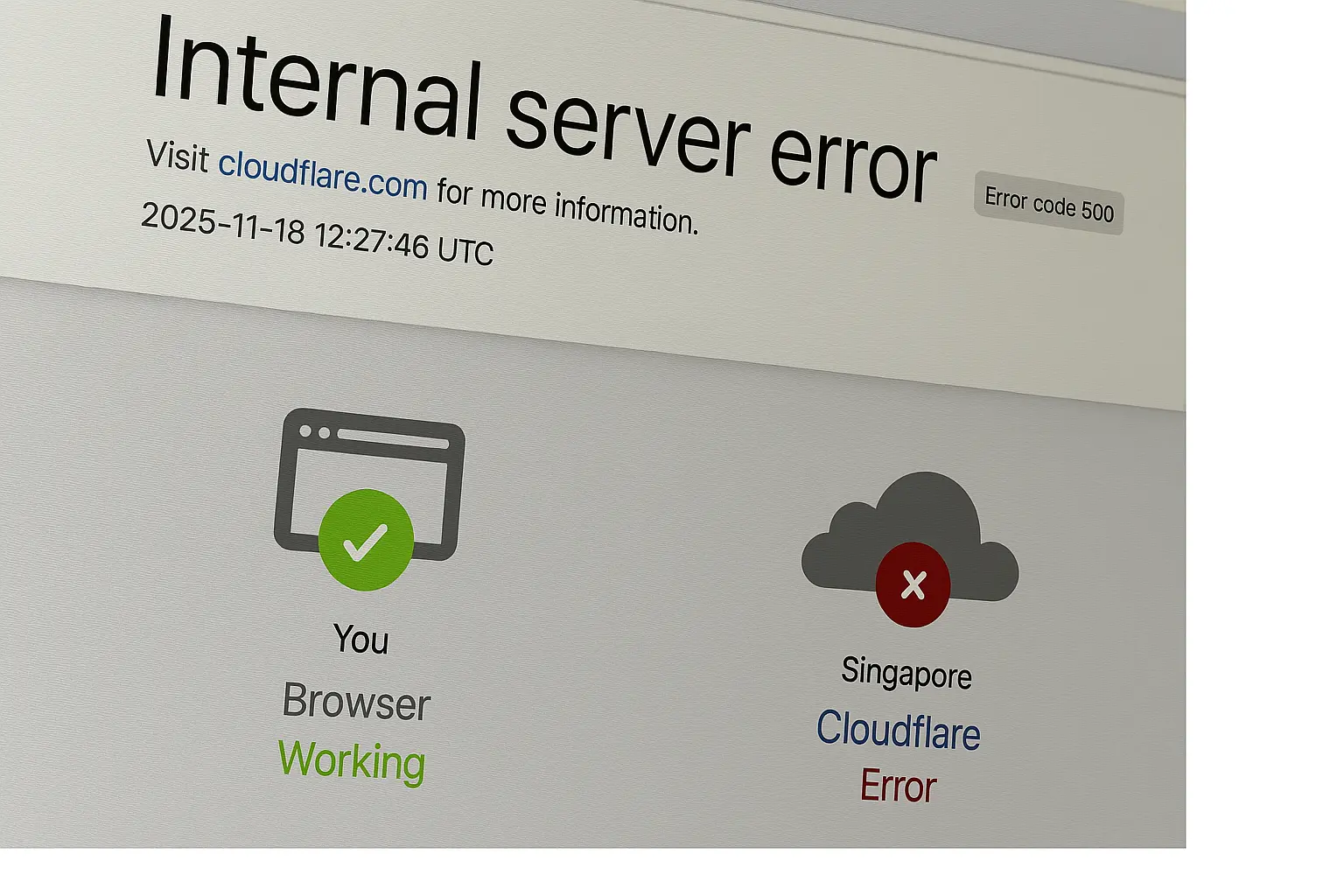
A routine click on a recommended link via the AI overview of my browser on November 18 yielded a glaring “internal server error” (Figure 1) when I clicked on a search-referenced website. The Cloudflare outage disrupted connectivity on various platforms, including ChatGPT, Canva, and X. Undaunted, the cyber community had a memes field day when services were restored, flooding their feeds with humorous outage memes.



On a more serious note, data center and internet outages are no laughing matter, impacting businesses from online shopping to cryptocurrency exchanges. While the November outage at Cloudflare was attributed to configuration errors, another outage two years earlier was due to a power failure at one of its data centers in Oregon. Cloudflare is not alone in its outage woes. In fact, power failures outweigh network and IT issues when it comes to disrupting online user experiences.
Data from the 2025 Uptime Institute Global Data Center Survey shows that although 50% of data centers experienced at least one impactful outage over the past three years, down from 53% in 2024 (see Figure 2), power issues remain the top cause.

It’s not surprising that just a few years ago, electric vehicles (EVs) were deemed to be the new energy guzzlers of the decade, only to be rapidly overtaken by data centers. From crypto mining to generating “morph my cat to holiday mode” image creation prompts, each click adds strain to the power grid, not forgetting the heat generated.

Why must grid modernization happen sooner rather than later?
Data centers currently consume almost five times as much electricity as electric vehicles collectively, but both markets are expected to see a rise in demand for power in the coming years. In developed countries, power grids are already feeling the strain from these new energy guzzlers. Grid modernization must happen sooner rather than later to buffer the impact of skyrocketing electricity demand from both data centers and the EV market, to ensure the power grid’s resilience, stability, and security. Without swift upgrades, older grids are at risk of instability, outages, and bottlenecks as digital infrastructure and EV adoption accelerate.
What does grid modernization entail?
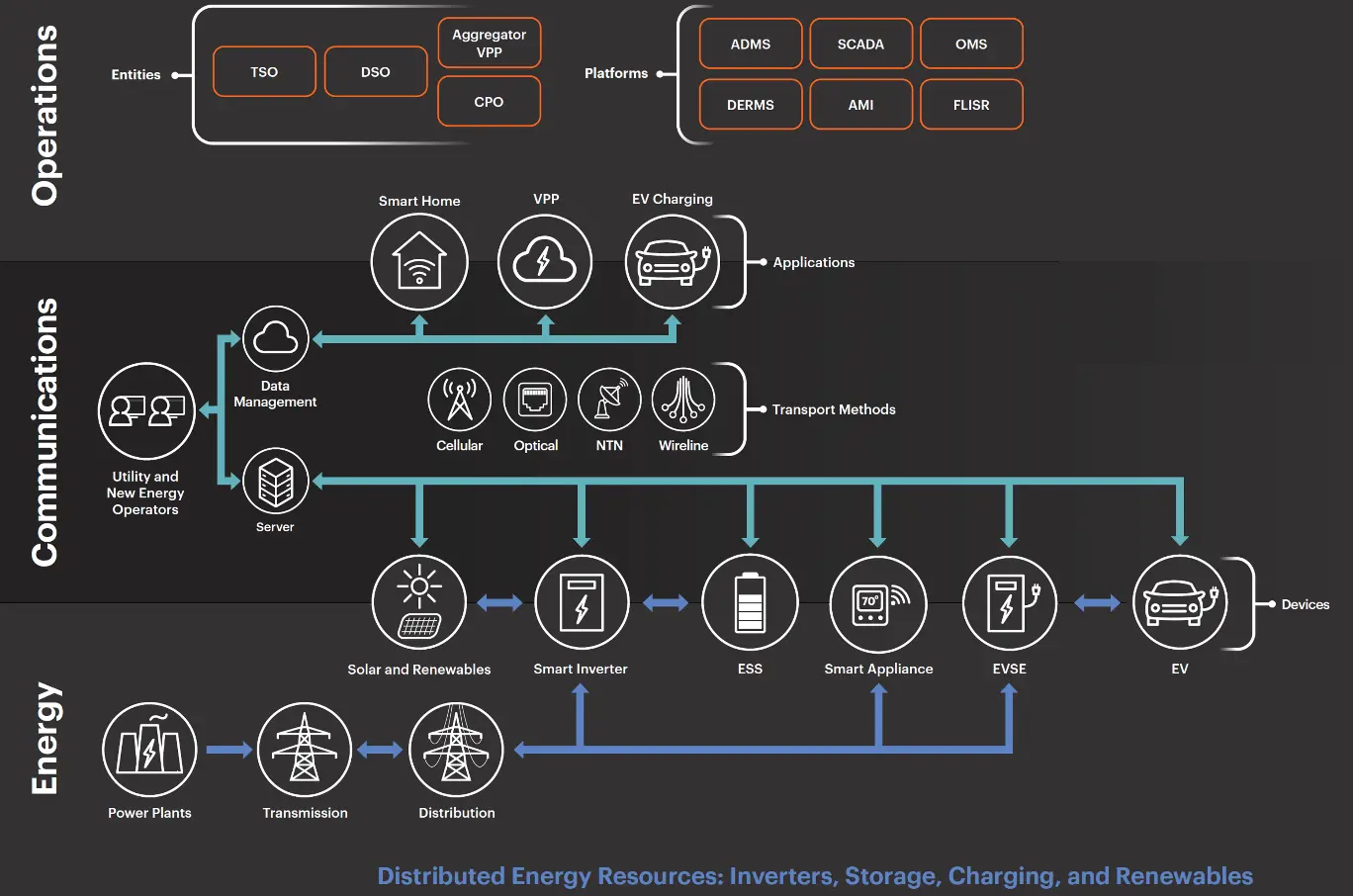
Grid modernization requires a strategic overhaul of legacy power infrastructure at the energy, communications, and operations levels, as illustrated in Figure 4. Existing energy infrastructure must be scalable and be able to incorporate and integrate renewable and distributed energy resources (DERs). Bi-directional communication protocols must continue to evolve to enable real-time data exchange between power-generating assets, energy storage systems, and end-user loads.
This transformation demands compliance with rigorous interoperability standards and cybersecurity frameworks to ensure seamless integration across heterogeneous systems, while safeguarding grid reliability and resilience against operational and environmental stresses.
Towards Grid Resilience
Grid modernization can significantly reduce both data center outages and power shortages for EV charging, although the impact will depend on how fast the power infrastructure gets upgraded. The modernized grid will employ advanced sensors, automated controls, and predictive analytics to detect and isolate faults quickly. This will further reduce the number of data center outages due to power issues and mitigate the dips in power currently plaguing some cities’ EV charging infrastructure. As the world powers on with increasing load demands, our grid energy community must work together to plan, validate, and build a resilient grid.
Keysight can help you with your innovations for this exciting grid transformation. Our design validation and testing solutions cover inverter-based resources (IBRs) and distributed energy resources (DERs), to tools enabling systems integration and deployment, as well as operations.

