
Courtesy: Cadence
Virtual, augmented, and mixed reality technologies are for much more than playing video games with an Oculus Rift headset—they’ve revolutionised a variety of industries, particularly in the manufacturing world.



First, what do the three categories mean, and how do they differ?
- Virtual reality (VR) refers to a fully immersive experience – typically, this will take place while wearing a headset or in an enclosed simulator. In a VR experience, you enter a virtual world and engage only with the objects there.
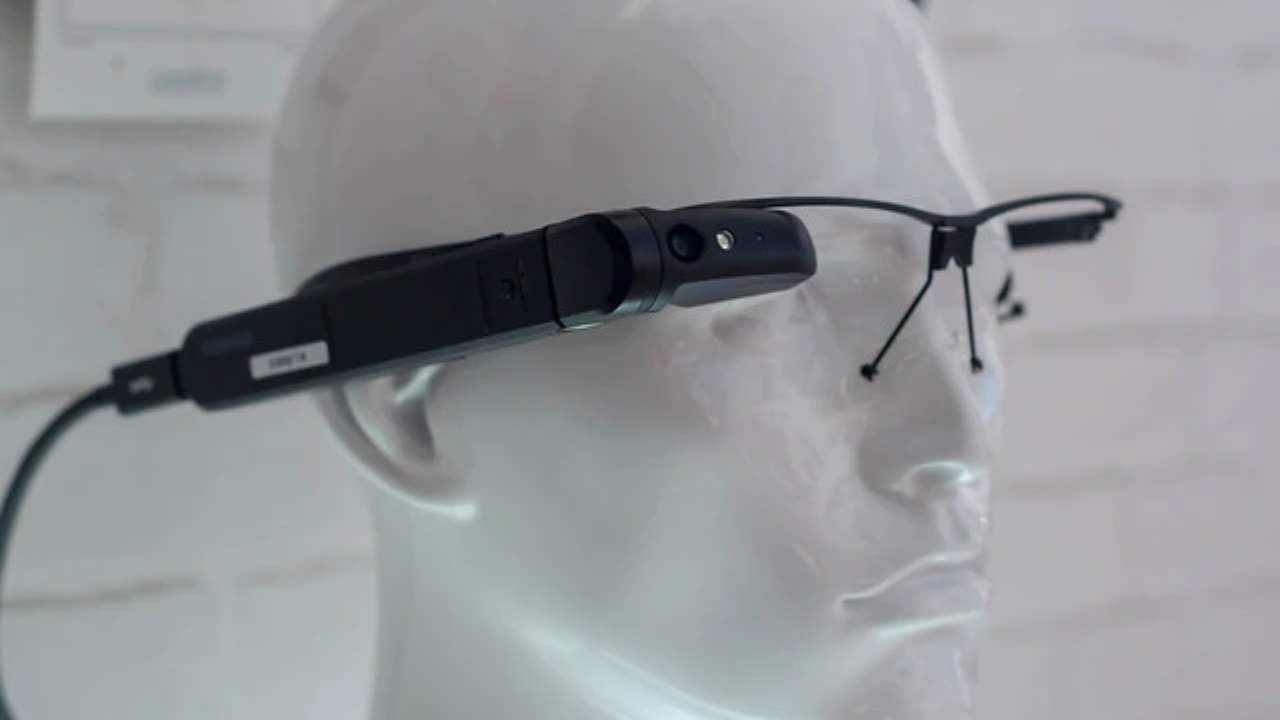
- Augmented reality(AR) is technology that enriches real-world visuals with external data or imagery, such as smart glasses that display data about a product’s dimensions when you look at it.
- Mixed reality (MR) is a hybrid of the two forms, combining real-world and virtual objects that respond to a user’s motion. Think, for instance, of Pokémon Go, in which you interact with virtual characters in a real-world environment and cause them to move based on your own real-world actions.
A recent survey from Price Waterhouse Coopers found that only a third of manufacturers had no plans to adopt VR/AR technologies; the others either had already adopted them (12.5%), planned to adopt in the coming year (7.5%), or planned to adopt in the next 3 years (15.8%).
Why are VR, AR, and MR such promising technologies in this industry, particularly when it comes to electronics manufacturing? Here are a few of the many benefits:
- Visual review and feedback
For one, they enable product designers to visually see every element of their device before physically building the product. This makes it easy to identify flaws that need to be addressed before building a physical prototype. Teams of engineers can also collaborate on products in virtual space, physically pinpointing areas of the product where they want to give feedback or suggest tweaks. - Improvement in assembly precision
Workers on the floor can wear AR glasses that can provide real-time visuals to illustrate exactly where a part should be placed. Lockheed-Martin, for instance, has begun outfitting its employees with Epson Moverio BT-200 glasses, which use motion and depth sensors to provide overlays of images that show where each part needs to go in the assembly. This makes it much easier for employees to complete their work faster and with far fewer mistakes: NGRAIN, the glasses maker, claim that the AR glasses enable workers to complete work 30 per cent faster with 96 per cent accuracy. - Improving workplace safety
VR simulations can give manufacturers the ability to take part in a hands-on simulation of the production experience before stepping into the plant. This enables them to assess the safety of how the equipment is manufactured, and optimise for employee wellbeing. Ford has used VR simulations to improve its assembly line process, leading to a 70 per cent reduction in workplace injuries. - Employee training
Mixed-reality technologies can also be used in training simulations, giving new employees real-world feedback on their actions before they step onto a factory floor. This helps contribute to workplace safety, but additionally leads to quicker onboarding and reduces the likelihood of breakage or rework in the assembly process. By the time new hires make it to the plant, they already have a strong background in the required procedures to set up their devices.
These technologies are making it easier for product engineers to bring their products to (virtual) life, and faster and safer for their manufacturing teams to assemble the components of a product. As AR, VR, and MR technologies become even more affordable, we’re primed to see high adoption rates of these dynamic technologies in the electronics engineering space.

